
Cross Laminated Timber
Imagine you are building a towering skyscraper, but instead of cold steel beams, you are stacking massive, solid blocks of engineered timber. This vision is now a reality because of advanced wood technology that allows us to build higher and safer than ever before. Engineers have moved past traditional lumber to create large, structural components that rival concrete in their strength and durability. By layering wood in specific ways, we transform a simple forest product into a high-performance building material that supports our modern infrastructure needs.
The Engineering Behind Structural Panels
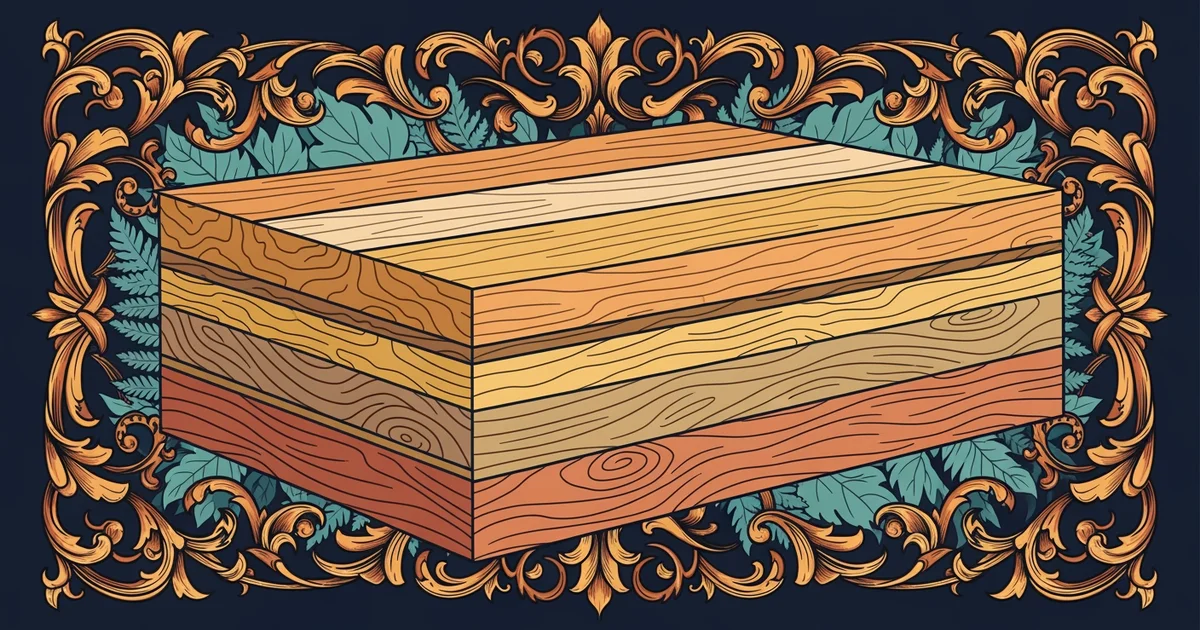
At the heart of this innovation is Cross Laminated Timber, a product made by stacking layers of kiln-dried lumber at right angles. Each layer is glued to the one below it, creating a thick, solid panel that resists bending and twisting under heavy loads. Think of this process like a high-strength plywood sandwich where the orientation of the grain provides stability in every direction. When you rotate the grain of each layer by ninety degrees, you effectively cancel out the natural tendency of wood to shrink or swell as it adjusts to humidity. This structural rigidity allows architects to design large walls and floors that do not require massive steel skeletons to stay upright.
Key term: Cross Laminated Timber — a structural wood product composed of multiple layers of lumber glued together at perpendicular angles to provide immense strength.
This manufacturing process relies on precision machinery to ensure that every panel meets strict building codes for safety and performance. Because the layers are pressed together under intense pressure, the resulting panels are incredibly dense and offer excellent fire resistance. When a fire hits a thick timber panel, the outer layer chars, which protects the inner wood from burning quickly. This natural protection gives building occupants more time to exit during an emergency, making these structures as safe as traditional steel or concrete alternatives.
Understanding Layer Orientation and Structural Integrity
To ensure consistent quality, manufacturers follow a specific sequence when they assemble these massive wood panels. The strength of the final product depends entirely on how the layers are arranged during the fabrication phase.
| Layer Position | Orientation | Primary Function |
|---|---|---|
| Outer layers | Parallel | Bending strength |
| Middle layers | Perpendicular | Shear resistance |
| Core layers | Parallel | Load distribution |
By following this layered approach, the panels gain the ability to span long distances without sagging or breaking under weight. This makes them ideal for building large open spaces where you want fewer columns blocking your view. The cross-lamination technique ensures that the panel acts as a single, unified piece of material rather than a collection of loose boards. This unity is what allows wood to compete directly with steel in the global construction market.
When we compare these systems, we see distinct advantages in how they handle stress and environmental factors. The following list explains why this specific orientation matters for modern building projects:
- The perpendicular layers prevent warping because the grain directions fight against each other to maintain a flat shape.
- The high-strength adhesive bonds the wood fibers so tightly that the panel performs like a solid block of stone.
- The thickness of the panel determines how much weight it can carry, allowing for custom designs in tall buildings.
These panels are then cut into precise shapes using computer-aided machines, ensuring that every piece fits perfectly on the construction site. This level of accuracy reduces waste and speeds up the assembly process significantly compared to traditional methods. By using these engineered systems, we create buildings that are not only sustainable but also incredibly durable for generations to come.
Cross Laminated Timber creates immense structural strength by alternating the grain direction of wood layers to form stable, high-performance building panels.
The next Station introduces Glue Laminated Beams, which determine how these panels are supported in a larger structural framework.