
Historical Wood Context
Imagine standing inside a massive, centuries-old timber barn where heavy wooden beams hold up the entire roof structure. These structures have survived for hundreds of years because they rely on simple, sturdy connections that distribute weight evenly across the building frame. While we often think of modern steel as the only way to build tall, our ancestors mastered the art of using wood to create durable, long-lasting spaces. Understanding these older methods provides the necessary context for why we are returning to wood as a primary material for large-scale construction today.
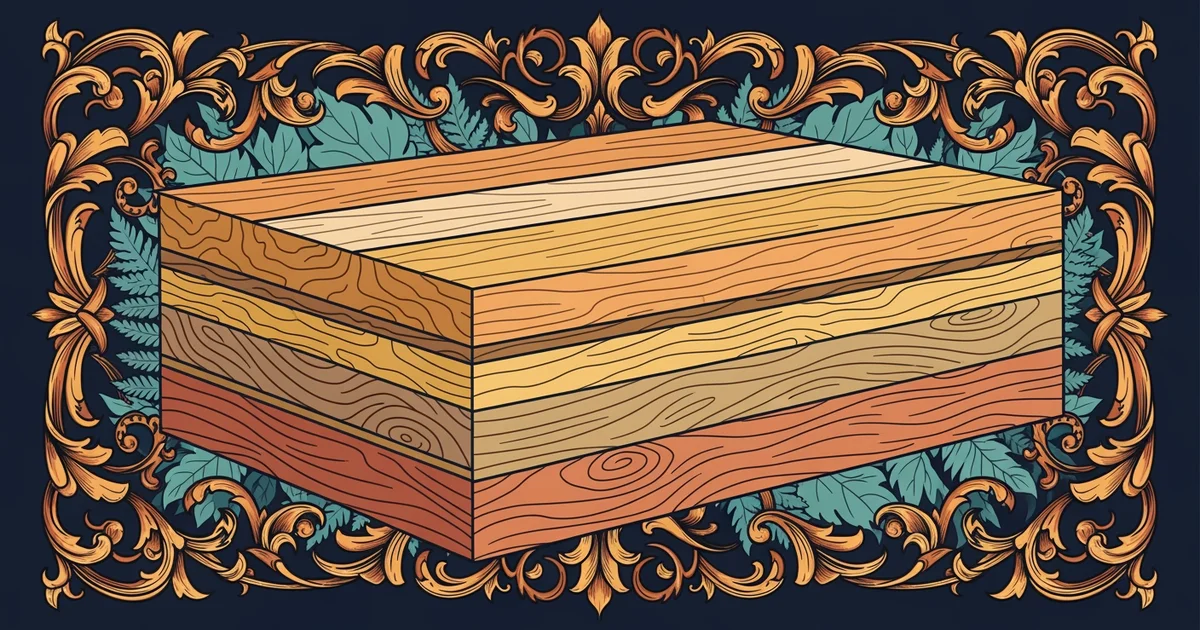
Traditional Heavy Timber Methods
Traditional building relied on heavy timber techniques that utilized large, solid wood members to support the weight of the entire structure. Builders carefully shaped these large logs into square beams, which allowed them to stack and connect pieces without needing modern metal fasteners. These connections usually involved complex joints that locked the wood together through pressure and gravity alone. Think of this process like building a giant wooden puzzle where each piece must fit perfectly to keep the whole structure standing straight. When the pieces fit tightly, the building gains incredible stability that resists shifting even during strong winds or heavy storms.
Key term: Heavy timber — a construction method using thick, solid wood sections to bear structural loads in buildings.
These older methods required immense skill because every joint was carved by hand to ensure a perfect, snug fit. If a joint was loose, the entire frame would wobble and eventually fail under the weight of the roof. Today, we use machines to cut these shapes with high precision, but the basic logic remains the same as it was in the past. By relying on the natural strength of the wood grain, these builders created structures that could last for generations without needing constant repairs or expensive steel reinforcements.
Comparing Historic Frames to Modern Systems
Modern mass timber systems represent a massive evolution in how we use wood, but they share the same fundamental goals as these older, traditional frames. While historic builders were limited by the length and size of the trees they could harvest, we now use advanced engineering to create much larger panels. We glue smaller pieces of wood together to form massive sheets that can span entire rooms with ease. This allows us to build taller and wider than ever before, while still keeping the natural benefits of wood as our core structural material.
To understand the differences between these approaches, consider how they handle building loads and construction speed:
- Historic heavy timber frames rely on large, singular logs that are labor-intensive to shape and join by hand.
- Modern engineered timber panels use small, factory-made layers glued together to create extremely strong, predictable, and large-scale components.
- Traditional systems require specialized craft knowledge to assemble, whereas modern systems use standardized, prefabricated parts that snap together quickly on site.
| Feature | Traditional Timber | Modern Mass Timber |
|---|---|---|
| Material | Solid, raw logs | Engineered, glued panels |
| Assembly | Hand-carved joints | Precision metal fasteners |
| Scale | Limited by tree size | Virtually unlimited scale |
| Speed | Very slow process | Rapid site assembly |
By comparing these two methods, we see that modern engineering is simply an upgrade to the same basic idea of using wood for strength. We have moved from carving individual joints to using advanced adhesives and digital design tools to achieve the same structural goals. This shift allows us to replace steel and concrete in large buildings while maintaining the natural, sustainable qualities of the wood we have used for centuries. We are essentially taking the wisdom of the past and applying it to the technology of the future to solve our modern housing needs.
Modern mass timber construction evolves traditional heavy timber concepts by using engineered components to achieve greater scale and assembly efficiency.
The next step in our journey examines how these wood systems provide specific environmental benefits compared to traditional building materials.