
Sustainable Design Principles
Imagine your monthly utility bill is a leaking bucket that drains your hard-earned savings every single month. You can keep patching the holes with expensive temporary fixes, or you can replace the bucket with a design that holds water perfectly.
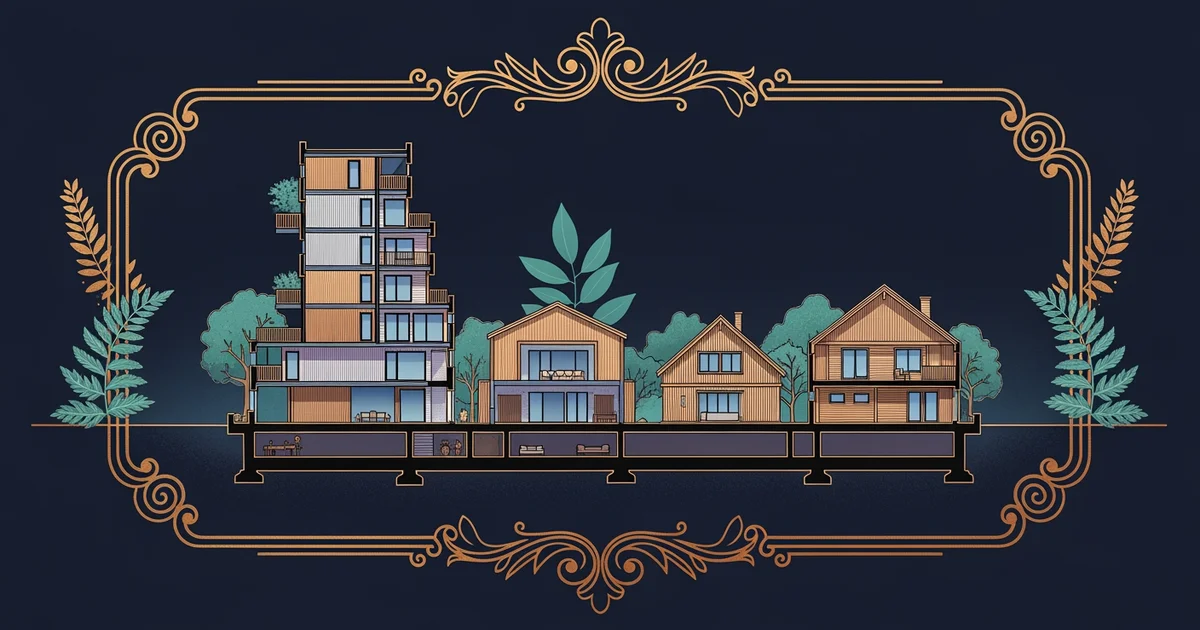
The Core Principles of Green Building
Sustainable design is the art of building homes that exist in harmony with their local environment. Instead of fighting against nature, these structures use clever engineering to reduce their overall energy footprint. Think of a house like a high-performance athlete who manages their energy intake and output with precision. An athlete does not waste fuel on unnecessary movement, and a sustainable home does not waste energy on heating or cooling empty air. By focusing on passive design, architects position windows and walls to capture sunlight in winter while blocking it during the hottest summer months. This simple strategic placement reduces the need for mechanical climate control systems that consume massive amounts of electricity. When you design a home that works with the sun rather than against it, you create a living space that maintains comfort without relying on constant power.
Key term: Passive design — a construction approach that uses natural light and airflow to maintain indoor temperature without using mechanical systems.
Building a sustainable home requires a shift in how we view the relationship between the structure and its surroundings. You must consider the orientation of the building, the quality of insulation, and the types of materials used for construction. Sustainable materials are often sourced locally to reduce the carbon cost of transporting heavy goods across long distances. These materials are also chosen for their durability, ensuring that the home does not require frequent repairs or expensive renovations. When you build with high-quality, renewable resources, you are investing in the long-term health of the planet and your own financial future. This approach turns a house into a permanent asset that keeps costs low for many decades.
Implementing Sustainable Features
Once the basic structure is planned, you can add specific features that further improve the efficiency of the building. These upgrades are not just about saving the planet, but about making the home more affordable to operate over time. Many builders now focus on energy efficiency by installing advanced insulation and smart windows that prevent heat from escaping. These features act like a heavy winter coat for your home, keeping the warmth inside during freezing weather and preventing heat gain during the summer. By reducing the load on your heating and cooling equipment, you extend the life of these expensive appliances while lowering your monthly utility expenses significantly.
Consider these three essential features for any modern sustainable residential project:
- High-performance insulation prevents thermal transfer through walls, ensuring the internal temperature remains stable regardless of the outside weather conditions.
- Energy-efficient lighting and appliances reduce the total electrical load, which lowers the overall demand on the power grid and your wallet.
- Water conservation systems like low-flow fixtures and rainwater harvesting reduce the amount of treated water needed for daily household tasks.
| Feature | Primary Benefit | Financial Impact |
|---|---|---|
| Solar Panels | Renewable Power | Reduces Monthly Bills |
| Insulation | Thermal Control | Lowers Energy Costs |
| Smart Glass | Heat Management | Reduces Cooling Needs |
These components work together to form a cohesive system that minimizes waste. When you integrate these elements into the initial design phase, the total cost of construction often drops because you can install smaller, less expensive heating and cooling units. The upfront investment in better materials pays for itself through years of reduced energy consumption and lower maintenance requirements. This is the ultimate goal of sustainable architecture: creating a home that supports your lifestyle while protecting your finances and the environment from unnecessary strain. By planning for efficiency from the very start, you ensure that your living space remains comfortable, affordable, and resilient for the entire life of the building.
Sustainable design creates efficient homes by using natural resources and smart materials to reduce long-term energy waste and operational costs.
The next Station introduces economic factors in construction, which determines how budget constraints influence the implementation of these green technologies.