
Digital Public Art
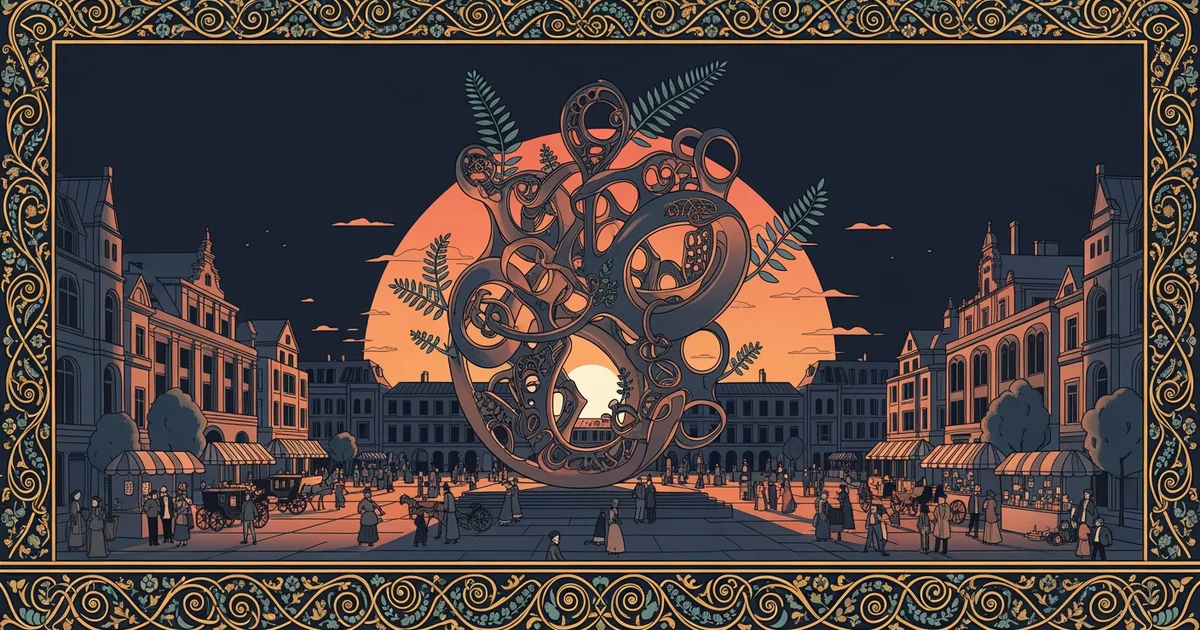
In 2014, the city of Lyon transformed its historic stone architecture into a living canvas using light beams. This shift from static stone to shifting pixels represents a major change in how cities view shared spaces. When light replaces physical sculpture, the city becomes a stage that changes based on the time of day. This is the Digital Public Art transition from Station 11, moving from temporary objects to fluid light experiences. Artists now use high-powered projectors to wrap buildings in stories that disappear when the switch turns off. These light displays allow communities to reclaim blank walls without needing heavy construction equipment or permanent structural changes to the environment.
The Technical Mechanics of Light Installations
Digital public art relies on the precise calibration of light to alter our perception of physical depth. Artists use specialized software to map a building's unique features, ensuring that projections align perfectly with windows, doors, and ledges. This process is like applying a digital skin over a physical body, where the light must fit every curve of the architecture. By using this method, creators turn a flat wall into a three-dimensional illusion that seems to move or breathe. The technology requires dark environments to function well, making nighttime the primary operating window for these visual experiences. Because the art is intangible, it leaves the physical space untouched for other uses during daylight hours.
Key term: Projection Mapping — the technical process of using light to transform irregular surfaces into dynamic displays by aligning digital content with architectural features.
Transforming Shared Spaces Through Light
Beyond simple visuals, digital art changes how people interact with their local environment after the sun sets. These installations often encourage residents to gather in plazas that might otherwise remain empty or feel unsafe at night. When a familiar building suddenly turns into a cascading waterfall or a digital forest, it forces people to pause and look at their surroundings differently. This shared experience creates a temporary community bond among strangers who happen to be watching the same light show. The following table highlights how digital installations differ from traditional static sculptures in public settings.
| Feature | Traditional Sculpture | Digital Projection |
|---|---|---|
| Permanence | High - stays for years | Low - temporary display |
| Interaction | Physical touch allowed | Visual only - light based |
| Flexibility | Fixed - cannot change | Dynamic - updates easily |
| Installation | Heavy - requires cranes | Light - requires projectors |
By comparing these methods, we see that digital art offers a level of agility that physical statues cannot match. Cities can update the content of a projection to reflect local holidays or current events without removing the original installation. This dynamic nature makes digital art a cost-effective way to refresh the public aesthetic of a city. While traditional art provides a grounded sense of history, digital art provides a modern sense of relevance and excitement.
Evaluating the Impact of Light Art
While digital art offers many benefits, it also creates a new set of challenges regarding power usage and light pollution. Planners must balance the visual appeal of these displays against the need for dark skies and energy conservation. Unlike a static statue, a projector requires a steady flow of electricity to maintain the image throughout the night. This energy consumption is an economic trade-off that cities must manage as they adopt more digital infrastructure. Despite these costs, the ability to turn a dull street corner into a vibrant hub makes digital art a powerful tool for urban renewal. The impact of light art depends on how well it integrates with the existing architecture and the needs of the people living nearby. As technology continues to evolve, these displays will likely become more interactive and responsive to the movements of the crowd below. This evolution ensures that public spaces remain relevant, engaging, and deeply connected to the pulse of the community.
Digital public art uses light to turn static urban architecture into a flexible, evolving experience that connects people through shared visual narratives.
However, this model breaks down when energy costs and light pollution concerns outweigh the community benefits of the display.