
Community Identity
A blank brick wall often feels like a missed chance to tell a story. When artists paint murals on these surfaces, they turn empty spaces into vibrant mirrors of local life. These works do more than decorate streets because they capture the spirit of the people living nearby. By reflecting shared history and common values, public art helps neighbors feel like they belong to a larger, unified group. This sense of pride is what transforms a simple neighborhood into a true community.
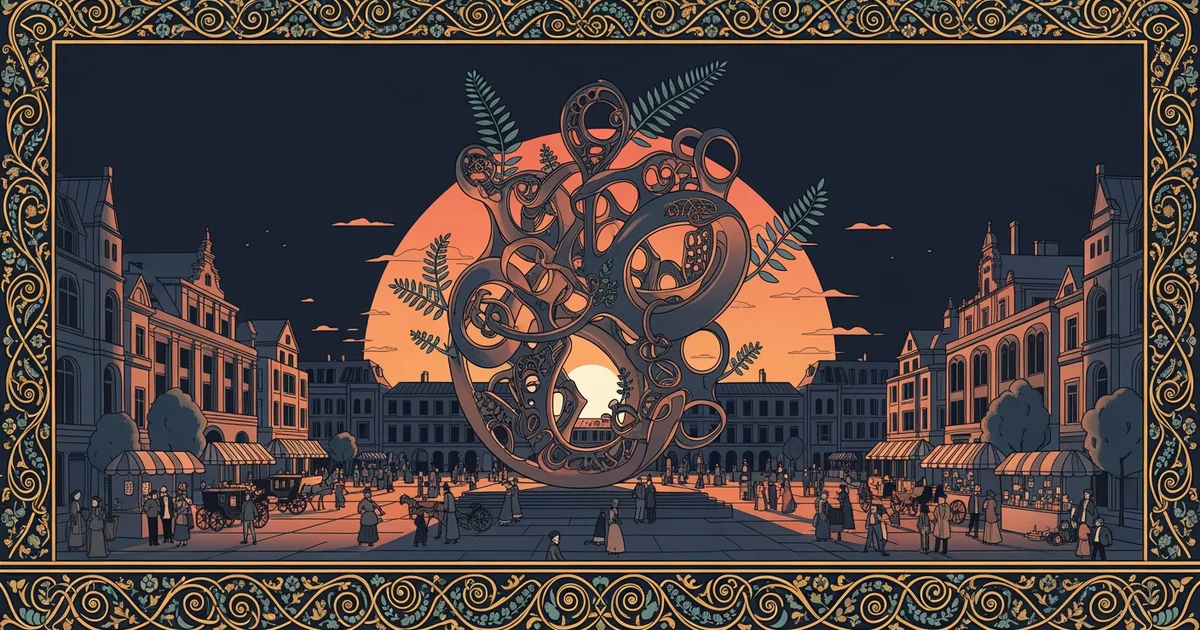
The Role of Visual Storytelling
Public art acts as a visual language that everyone in a neighborhood can speak together. When a mural depicts local landmarks or historical figures, it reinforces a shared sense of identity among residents. Think of a mural like a family photo album displayed on a public wall for all to see. Just as a photo album holds memories that define a family history, these murals hold the collective memories that define a local culture. This visual storytelling helps residents understand their place in the neighborhood.
Key term: Collective memory — the shared pool of knowledge and information in the memories of two or more members of a social group.
When people see their own experiences reflected in art, they feel a stronger connection to their environment. This process creates a psychological bond between the individual and the physical space they occupy daily. A mural that highlights local struggles or triumphs serves as a constant reminder of the resilience of the people living there. It turns a walk to the store into an experience that feels personal and meaningful. This connection is essential for building neighborhood pride.
Building Pride Through Shared Symbols
Community identity grows stronger when residents see their own values reflected in the art around them. These symbols act as anchors that hold the culture of an area together during times of change. To understand how this works, consider the following ways that murals contribute to the social fabric of a town:
- Visualizing heritage allows residents to celebrate the unique history of their area through colors and patterns.
- Fostering inclusion happens when art showcases diverse groups, ensuring every person feels represented in the public square.
- Marking boundaries creates a distinct sense of place that separates one neighborhood from the next through unique aesthetic choices.
These elements work together to turn a geographic location into a place with a clear, shared character. When residents participate in the creation of these works, the sense of ownership grows even deeper. They become more than just viewers of the art; they become active participants in the ongoing story of their home. This engagement is the primary engine that drives neighborhood pride and social cohesion over many years.
Measuring the Impact of Public Art
We can see the impact of these projects by looking at how they change the way people interact with their surroundings. The table below illustrates how different types of art projects influence the way a community perceives its own identity.
| Project Type | Primary Goal | Effect on Identity |
|---|---|---|
| Historical Mural | Education | Connects past to present |
| Cultural Mosaic | Inclusion | Celebrates local diversity |
| Abstract Sculpture | Modernization | Projects a forward vision |
Each of these approaches helps define what makes a neighborhood special to those who live there. By focusing on specific themes, artists help residents articulate what they value most about their home. This process of defining identity is not static because it changes as the community grows and evolves. Public art provides the flexible framework needed to keep this identity relevant for future generations. It ensures that the spirit of the neighborhood remains vibrant even as the world around it changes.
Public art acts as a visual anchor that translates shared history and values into a tangible identity, fostering a deep sense of belonging among residents.
The next Station introduces material selection, which determines how these murals and sculptures withstand the elements over time.