
Urban Planning Integration
Imagine you are walking through a busy downtown area and suddenly encounter a vibrant sculpture that perfectly frames the surrounding buildings. This moment of surprise is not accidental, as city planners and artists work together to ensure that public art enhances the existing urban fabric. When these two groups collaborate early in the design process, they transform empty concrete corners into meaningful landmarks that define a neighborhood. Urban planning acts as the invisible framework that supports the physical placement of creative installations within complex city environments.
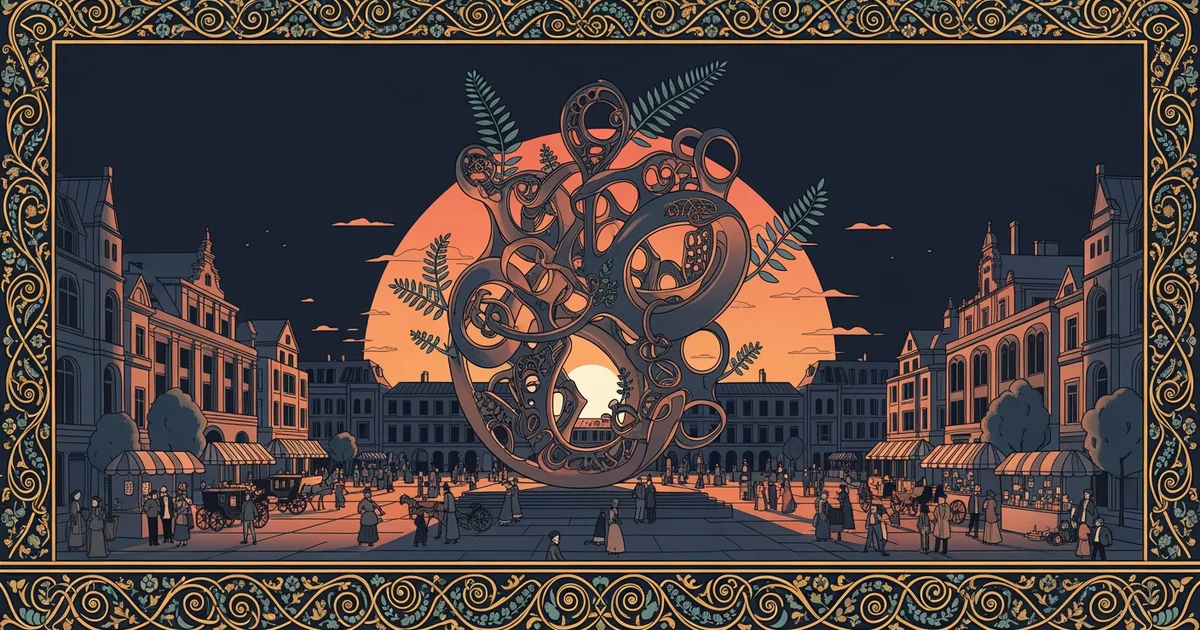
Aligning Creative Vision with Urban Infrastructure
Successful public art projects require deep integration between artistic vision and the practical requirements of city infrastructure. Planners examine traffic patterns, pedestrian flow, and utility access to determine where an installation will thrive without causing safety hazards. If an artist places a large sculpture in a high-traffic intersection, it might block the view of drivers or confuse cyclists trying to navigate the street. By working together, planners and artists select sites that invite people to pause and interact with the art while keeping the city moving smoothly.
Think of this collaboration as a puzzle where the city provides the base and the artist contributes the final piece. If the artist ignores the shape of the cutout, the piece will not fit properly, leaving gaps that detract from the overall design. When the artist and the planner communicate early, they ensure that the artwork complements the surrounding architecture rather than competing with it for attention. This balance creates a sense of harmony that makes the entire urban space feel more welcoming to residents and visitors alike.
The Strategic Placement of Public Art Installations
City planning shapes the placement of art by considering how different zones serve the public interest over time. Planners use specific criteria to ensure that art remains accessible, safe, and durable throughout its lifespan in a public space. These factors help determine if a site is suitable for a permanent monument, a temporary mural, or a large-scale interactive installation. The following table outlines the primary factors that planners use to evaluate potential locations for new public art projects:
| Evaluation Factor | Description | Impact on Art Placement |
|---|---|---|
| Pedestrian Flow | Human traffic volume | Determines the scale of the art |
| Utility Access | Pipes and cables | Limits the depth of foundations |
| Visual Sightlines | View of the street | Prevents blocking traffic safety |
| Public Safety | Crime and lighting | Influences the material durability |
These considerations help planners protect the investment made in public art by ensuring it remains protected from environmental damage or accidental harm. For instance, placing a fragile glass sculpture in a high-wind alleyway would be a poor decision that planners would identify during the site review phase. By mapping out these risks, the city ensures that the art survives to inspire the community for many years into the future. This technical oversight allows artists to focus on their creative expression while the city ensures the safety of the public.
Key term: Urban Integration — the intentional process of aligning artistic installations with the functional requirements and physical constraints of a city environment.
When planners and artists share their goals early, they create spaces where art feels like a natural part of the streetscape. This process prevents the art from appearing as an afterthought that was simply dropped into a random location. Instead, the installation becomes a destination that draws people into the area, which in turn supports local businesses and fosters a stronger sense of community pride. By treating art as a vital component of urban design, planners ensure that cities remain vibrant and culturally rich places to live.
Public art succeeds when artists and planners treat urban spaces as shared canvases that require both creative vision and practical safety planning.
But what does it look like in practice when these projects finally move from the design phase to the funding and maintenance stages?