
Temporary Installations
When the city of Chicago installed hundreds of giant, colorful bean-shaped structures across its public parks for a single summer, residents suddenly saw their familiar jogging paths through a completely new lens. This shift in perspective proves that temporary art does not need to last forever to leave a lasting mark on how people interact with their local environment. These installations act as a visual jolt, breaking the monotony of daily routines while encouraging citizens to stop, look, and engage with spaces they usually ignore. By prioritizing the experience of the moment over the preservation of an object, artists create a unique connection that feels urgent and exclusive to the current community members.
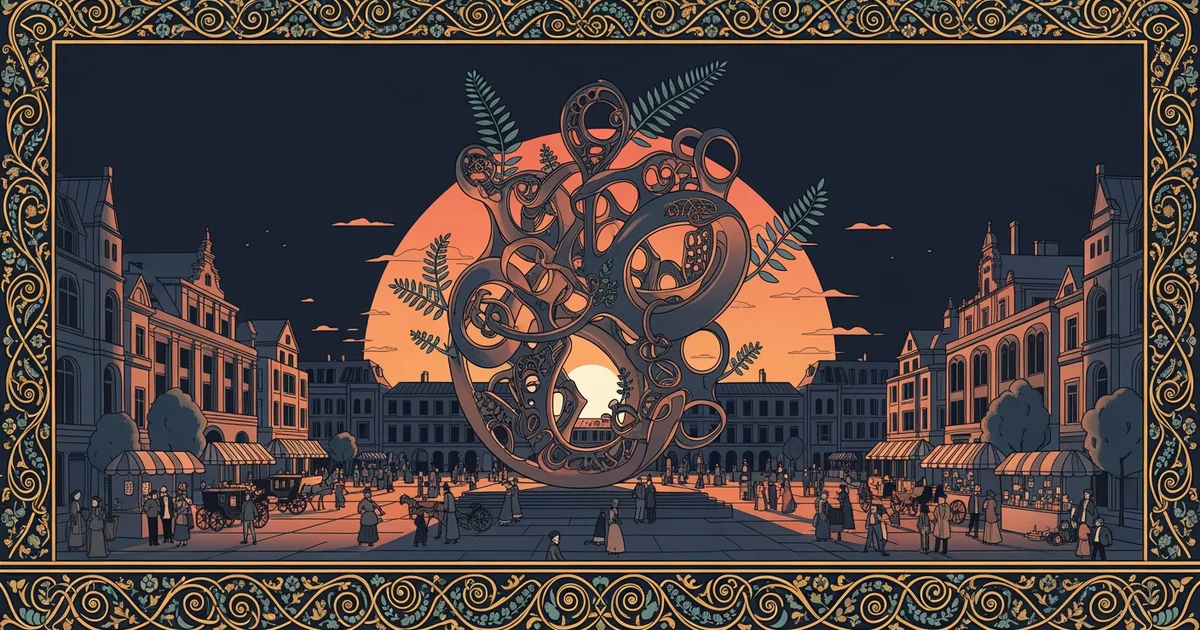
The Dynamics of Fleeting Art
Temporary art projects function much like a seasonal pop-up cafe that appears in a vacant lot for one month. Because the cafe will soon vanish, customers feel a special pressure to visit before the opportunity disappears, which creates a shared sense of excitement. This urgency mirrors how public installations operate; when a sculpture is only meant to stay for a few weeks, the public treats the arrival of the piece as a significant cultural event. Unlike permanent statues that eventually fade into the background of a city landscape, these fleeting works demand immediate attention from everyone who walks past. The transient nature of the work turns the act of viewing into a rare experience that bonds neighbors together through a common, short-lived memory.
Key term: Ephemeral art — creative works designed to exist for a limited time to emphasize the value of the present moment.
These projects allow artists to experiment with materials that might not survive harsh weather conditions over many years. Because the creator knows the work will be removed, they can use lightweight fabrics, paper, or even light projections that would be impossible to maintain in a permanent outdoor setting. This freedom leads to more daring designs that push the boundaries of what public art can look like and how it can function. When artists are not worried about long-term maintenance, they can focus entirely on the emotional impact and the immediate visual surprise of the installation. This flexibility is the primary driver of innovation in modern urban design and community engagement efforts.
Contrasting Permanent and Temporary Installations
While permanent monuments often honor historical figures or past events, temporary installations focus on current themes and local community identity. A permanent bronze statue remains static, but a temporary installation often invites physical interaction or changes based on the movement of the sun and wind. This distinction changes how the public perceives the space, as seen in the following table comparing the two approaches to public art:
| Feature | Permanent Monument | Temporary Installation |
|---|---|---|
| Lifespan | Decades to centuries | Days to several months |
| Purpose | Commemorating history | Provoking new reactions |
| Materials | Stone, metal, concrete | Fabrics, light, wood, bio-degradable |
| Engagement | Observation from afar | Active participation or play |
This comparison highlights why cities are increasingly choosing to mix both types of art to keep public spaces feeling fresh and relevant. Permanent works provide a sense of stability, while temporary projects inject energy and curiosity into the daily lives of citizens. By balancing these two approaches, urban planners ensure that a community feels both rooted in its history and excited about its future growth. The contrast between these styles helps prevent the stagnation of public areas, keeping the visual environment dynamic and responsive to the evolving interests of the local population.
To ensure these projects succeed, organizers must carefully consider how the art interacts with the existing flow of pedestrian traffic. Temporary installations should enhance the space rather than block essential pathways or cause confusion for daily commuters. When artists successfully integrate their work into the natural rhythm of a street or park, the art becomes a seamless part of the local experience. This thoughtful approach ensures that the temporary nature of the project does not result in clutter, but instead creates a meaningful and well-planned disruption that enriches the lives of everyone in the community.
Temporary art transforms public spaces by using the power of scarcity and novelty to spark immediate community engagement.
But this model faces significant challenges when digital integration begins to blur the lines between physical and virtual reality.