
Hybrid Printing Approaches
Imagine you are holding a physical wooden carving that feels perfectly textured but lacks the sharp detail of a modern digital photograph. You might wonder how to merge these two distinct worlds into a single, cohesive piece of art that respects both tradition and innovation. Artists often face this exact tension when they want to keep the tactile quality of a hand-carved block while adding the precision of digital design. By treating the digital file as a modern stencil, you can bridge the gap between ancient manual labor and the rapid speed of current technology.
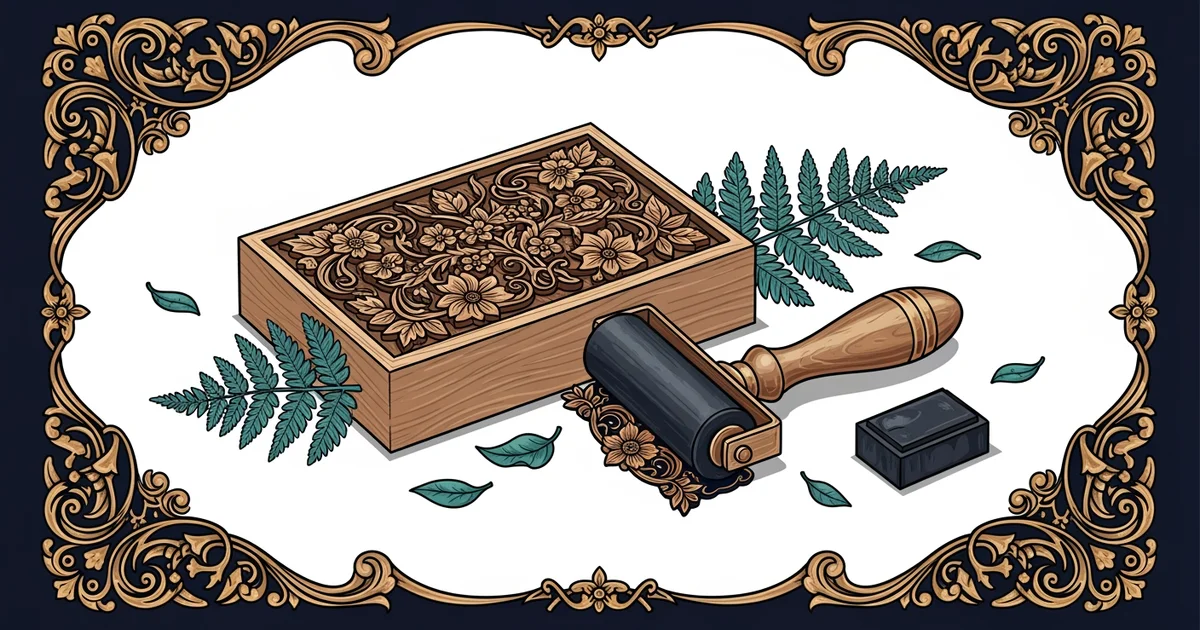
Integrating Digital Stencils into Traditional Workflows
When you integrate digital designs into your printing process, you effectively turn your computer into a high-tech drawing tool. You start by creating a graphic image that aligns with the physical dimensions of your hand-carved block or printing plate. This digital layer acts as a blueprint, ensuring that your manual additions sit perfectly within the intended composition. Think of this process like renovating an old house while keeping the original foundation intact; you preserve the character of the structure while upgrading the interior for modern needs. The digital stencil serves as the guide, allowing you to layer complex patterns that would be nearly impossible to carve by hand.
Key term: Hybrid Printing — the intentional combination of manual printing methods and digital image processing to create a final, layered work of art.
Once the digital stencil is ready, you must decide how to apply it to your traditional print surface. Many artists use a photopolymer plate, which reacts to light to create a relief surface based on your digital design. This method allows you to combine the heavy, inked lines of a linocut with the crisp, fine-tuned details of a vector illustration. The key is maintaining a balance where neither the digital nor the manual elements overpower the other. If the digital part is too dominant, the print loses its organic feel, but if it is too subtle, the intended hybrid effect disappears entirely.
Managing the Technical Balance Between Methods
Achieving success in this field requires a clear understanding of how different materials interact under pressure. You must consider the following factors when you begin your hybrid printing journey:
- Surface compatibility ensures that the ink adheres properly to both the hand-carved areas and the digital stencil areas without smearing or bleeding.
- Pressure calibration involves adjusting your printing press to accommodate the varying depths of a hand-carved block versus a thin, flat digital plate.
- Ink viscosity control allows you to maintain consistent coverage across different textures, preventing the ink from pooling in the deeper, hand-carved grooves of the plate.
By mastering these technical adjustments, you create a workflow that is both efficient and creatively flexible. This synthesis allows you to move beyond the limitations of a single technique and explore new visual textures. You might find that the digital stencil provides the structure, while the physical carving provides the soul, resulting in a print that feels both grounded and contemporary. This interaction resolves the tension between the slow, deliberate pace of traditional craft and the fast, iterative nature of digital design. As you refine this process, you learn that the digital file is not a replacement for your hand, but an extension of your creative reach.
Hybrid printing merges the tactile depth of traditional carvings with the precise, complex detail of digital stencils to expand the boundaries of original fine art.
Understanding these integrated methods prepares you to manage your studio workflow effectively by balancing manual labor with digital efficiency.