
The Four Main Families
Imagine you are pressing a rubber stamp into a pool of thick ink and then pushing it firmly onto a clean sheet of paper. You have just performed the most basic act of printmaking by transferring an image from a raised surface to another material. Artists categorize these methods into four primary families based on how the ink reaches the paper. Understanding these divisions helps you choose the right tool for your specific creative project. Every printmaking method relies on the physics of surface tension and pressure to create a successful, crisp reproduction of an original design.
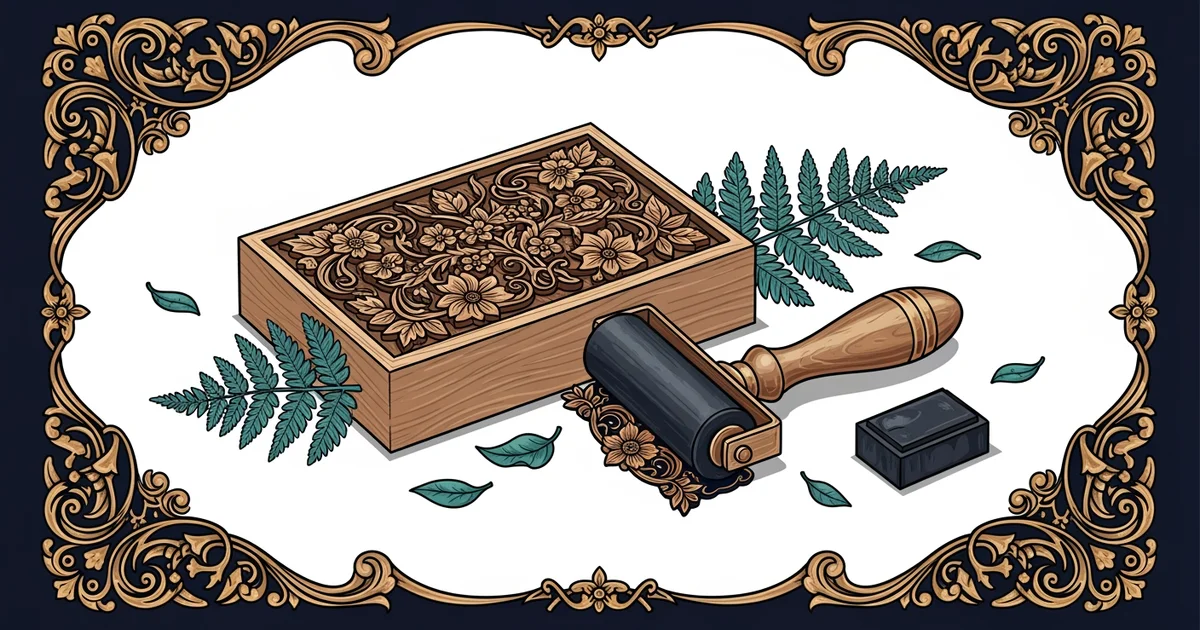
The Fundamental Printmaking Families
The first group, known as relief printing, involves carving away the parts of a block that should remain white. You ink the remaining raised surface, which then transfers the image to the paper when you apply pressure. Think of this like a potato stamp where you cut away the background to leave a shape that stands out. This method is popular because it requires minimal equipment and produces bold, graphic results that are easy for beginners to master. Artists appreciate this technique for its direct connection between the carving tool and the final physical print.
Moving to the second family, intaglio printing works in the exact opposite way of the relief process. You incise lines or textures into a metal plate, then fill those grooves with ink before wiping the surface clean. A high-pressure press forces damp paper into the grooves to pull the ink out of the plate. This creates a tactile, raised line that feels slightly embossed when you touch the finished print. It is like filling a crack in a sidewalk with paint and pressing paper over it to capture the hidden detail.
Key term: Intaglio — a printmaking technique where ink is held within etched or engraved grooves on a plate surface.
Comparing Surface Methods
Beyond relief and intaglio, printmakers utilize two other distinct ways to transfer their creative intentions onto a substrate. These methods rely on chemical properties or physical barriers rather than just carving or incising into a hard material. The table below highlights the core differences between these four distinct approaches to creating fine art multiples.
| Method | Surface Type | Ink Placement | Primary Action |
|---|---|---|---|
| Relief | Raised | Top surface | Pressing down |
| Intaglio | Recessed | Deep grooves | Forcing paper in |
| Planographic | Flat | Chemical zones | Repelling water |
| Stencil | Open | Through holes | Pushing ink past |
Planographic printing, such as lithography, relies on the fact that grease and water do not mix. You draw with a greasy medium on a flat stone or plate, then dampen the surface with water. When you roll ink over the plate, the greasy areas attract the ink while the wet areas repel it. This allows for fluid, painterly marks that look exactly like a drawing. Stencil printing, or screen printing, uses a mesh screen to push ink through open areas onto the paper. It is like using a spray paint mask to create a crisp shape on a wall.
These four families represent the entire history of how humans have replicated visual information throughout the centuries. By mastering these four categories, you can determine which visual style best suits your artistic goals. Whether you want the sharp, high-contrast look of a relief woodcut or the subtle, delicate lines of an intaglio etching, the choice of surface defines the character of your work. Each family offers unique advantages that change how the viewer perceives the final image you have produced.
Printmaking is defined by the four distinct ways an artist prepares a surface to hold and transfer ink onto paper.
Now that you understand these four families, you are ready to explore the specific tools and safety protocols required for relief carving.