
Origins of Mechanical Reproduction
Imagine pressing your signet ring into warm wax to seal a letter with a unique mark. This simple act of creating an impression is the true ancestor of all modern mechanical printing. By pushing a carved surface into a softer material, you transfer a design that can be replicated many times. You have likely used a rubber stamp or a coin to leave a mark on paper or clay. These actions rely on the same core principle that artists have used for thousands of years to share their creative visions.
The Roots of Impression
Ancient civilizations developed the first methods of reproduction by carving images into hard materials like stone or metal. These early tools were known as seals, and they functioned as a personal signature for merchants and rulers. When a merchant pressed a stone seal into wet clay, they created a permanent record of their identity or ownership. This process transformed a single physical carving into a tool for mass communication. It allowed the same image to appear in many different places without needing to redraw the design every single time. This was the first time humans could reliably copy a specific visual message across various surfaces.
Key term: Seals — small, carved objects used to leave a distinct impression on soft materials to verify identity or ownership.
Think of these ancient seals like a modern digital file that you copy onto many different flash drives. The original file stays safe on your computer, but you can distribute the information to as many people as you need. Just as the digital copy is identical to the source, the clay impression was an exact match to the carved seal. This efficiency changed how people traded goods and signed official documents across vast empires. It proved that a single object could hold authority even when it was far away from the person who owned it.
From Personal Marks to Artistic Expression
As time passed, the technology used for official seals evolved into more complex methods for creating detailed visual art. Artists began to realize that they could use these same principles to share illustrations and patterns with a larger audience. By applying ink to a carved surface and pressing it onto paper, they created a print. This shift moved the process away from simple identification and toward the creation of fine art. The ability to produce multiple copies of a single image meant that art was no longer limited to just one wealthy patron or one specific location.
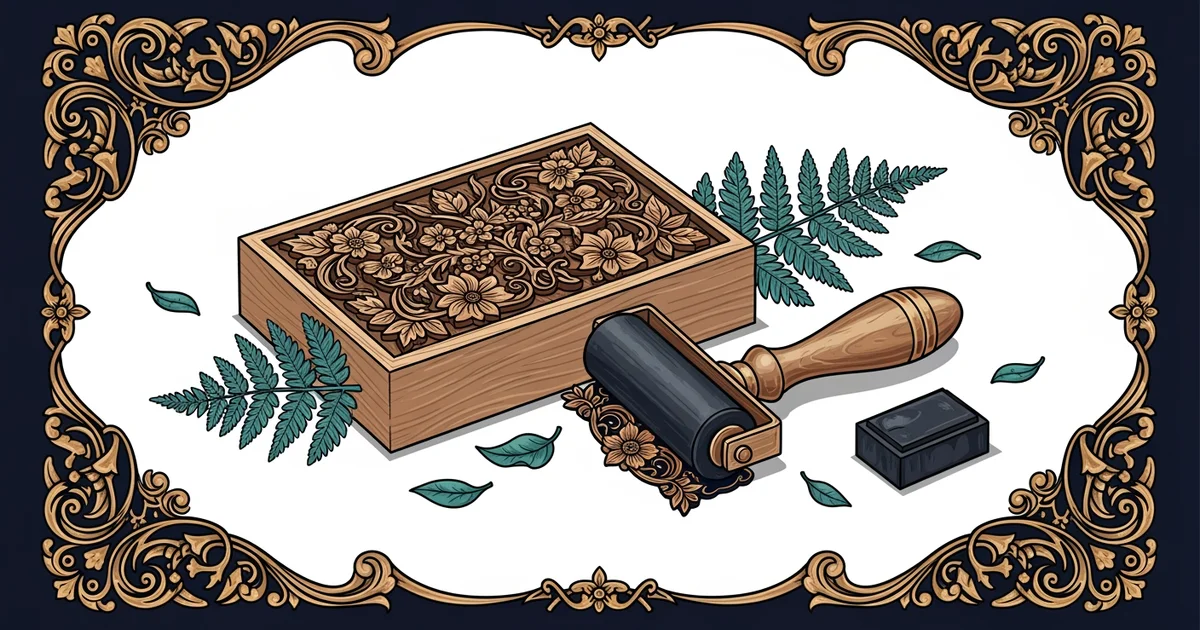
Early printmaking processes relied on several key steps to ensure a high-quality result:
- The artist carves a design into a flat surface to create a relief that will hold the ink.
- A thin layer of ink is applied to the surface so that only the raised parts are covered.
- The paper is placed carefully over the inked surface and pressed down with even pressure to transfer the image.
- The paper is peeled back to reveal a clean, sharp reproduction of the original hand-carved design.
By following these steps, an artist could generate a series of works that were all original expressions of their intent. This created a new way for ideas to travel through society. When people could own affordable copies of beautiful art, the culture of visual expression expanded rapidly. The process turned a private creative act into a public experience that could be shared across entire cities. It effectively democratized art by making it accessible to people who could not afford a unique painting. This foundation set the stage for every mechanical reproduction method we use in our daily lives today.
The mechanical reproduction of art began with the simple act of using a carved seal to create a lasting impression on a new surface.
By understanding these historical roots, you will soon learn how artists use these same principles to create editions of unique fine art.