
Motion and Time
A race car speeds past the grandstand, but your camera captures it as a sharp, frozen image. Have you ever wondered why your own photos of fast movement often appear as blurry, unrecognizable streaks instead?
The Mechanics of Motion
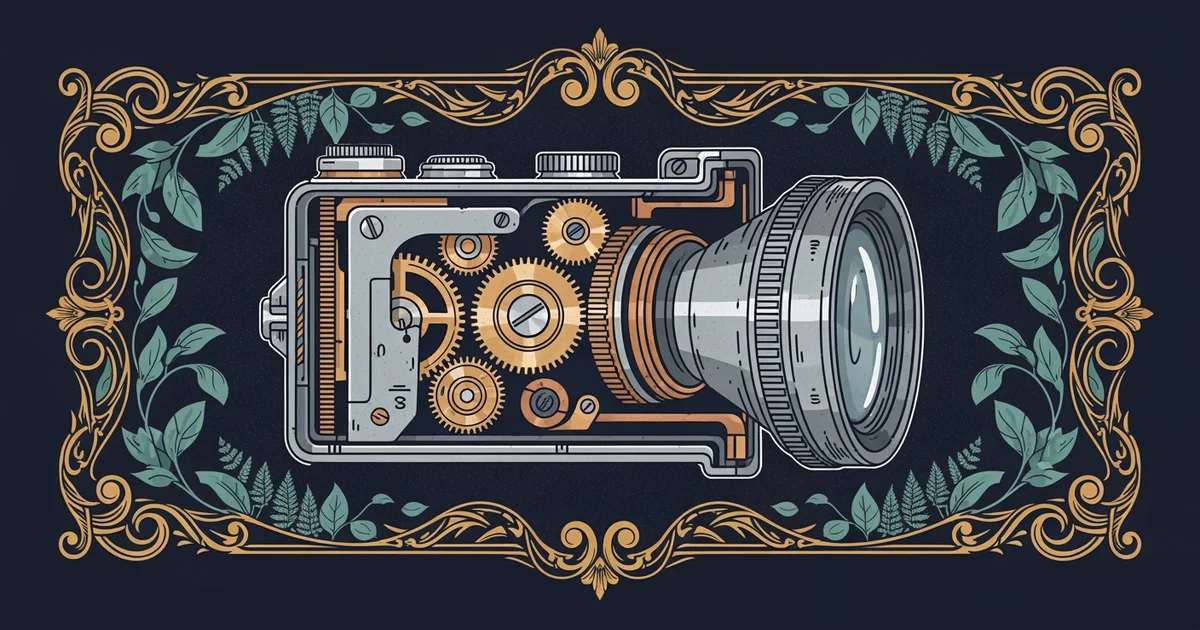
When light enters your camera, it must pass through the shutter to reach the digital sensor. The shutter speed acts like a mechanical curtain that determines the exact duration of the exposure. If you leave this curtain open for too long, the subject moves while light is still being recorded. This results in the motion blur that makes a fast subject look smeared across your frame. Think of this process like a painter who tries to paint a moving subject on a canvas. If the painter moves their brush while the subject is walking, the final image will look distorted and messy. To freeze the action, the painter must work with extreme speed to capture the subject in a single, crisp position. Your camera functions with the same logic when it opens and closes the shutter curtain to record light.
Key term: Shutter speed — the length of time that the camera sensor is exposed to light while taking a photograph.
Controlling this timing allows you to decide how movement appears within your final visual composition. A fast speed locks a moment in time, while a slow speed turns movement into a soft, flowing blur. You must adjust these settings based on the speed of your subject and your creative goals. If you want to capture a bird in flight, you need a very fast shutter speed to stop the motion. If you want to show the speed of a waterfall, a slower speed creates a smooth, artistic effect. This balance between speed and light is the primary way photographers communicate the feeling of time passing.
Mastering Exposure Timing
Because the shutter speed controls how much light hits the sensor, you must balance it with your other settings. If you use a very fast speed to freeze motion, less light reaches the sensor during that brief window. You might need to compensate by opening the aperture wider or increasing the sensitivity of the sensor. This balancing act ensures that your fast-action shots remain bright and clear rather than dark and muddy. Photographers often think of this as a trade-off between clarity and light availability. You cannot always have the fastest speed and the most light at the same time.
Consider the following effects of different shutter speeds on your final image quality:
- Fast Shutter Speeds: These settings record light for a tiny fraction of a second, which effectively freezes fast-moving subjects like athletes or vehicles in place.
- Slow Shutter Speeds: These settings keep the sensor exposed for longer periods, which allows moving objects to create light trails that represent the passage of time.
- Variable Shutter Speeds: These settings allow for creative experimentation, where you can blur the background while keeping the main subject sharp through intentional camera movement.
| Setting Type | Typical Use Case | Resulting Visual Effect |
|---|---|---|
| High Speed | Sports photography | Frozen, sharp action |
| Medium Speed | Street photography | Natural motion feel |
| Low Speed | Night landscapes | Soft, light-streaked motion |
Learning to anticipate the motion of your subject is just as important as knowing the camera settings. You must watch the scene carefully to time your shot at the peak of the action. By combining good timing with the right technical settings, you turn a simple photo into a story about a specific moment in time. This skill requires practice, but it will eventually become second nature as you learn to read the rhythm of the world around you.
Mastering the relationship between shutter speed and subject movement allows photographers to either freeze a fleeting moment or artistically represent the flow of time.
The next Station introduces shutter mechanism engineering, which determines how the physical parts of your camera move to execute these precise timing requirements.