
Consolidation Methods
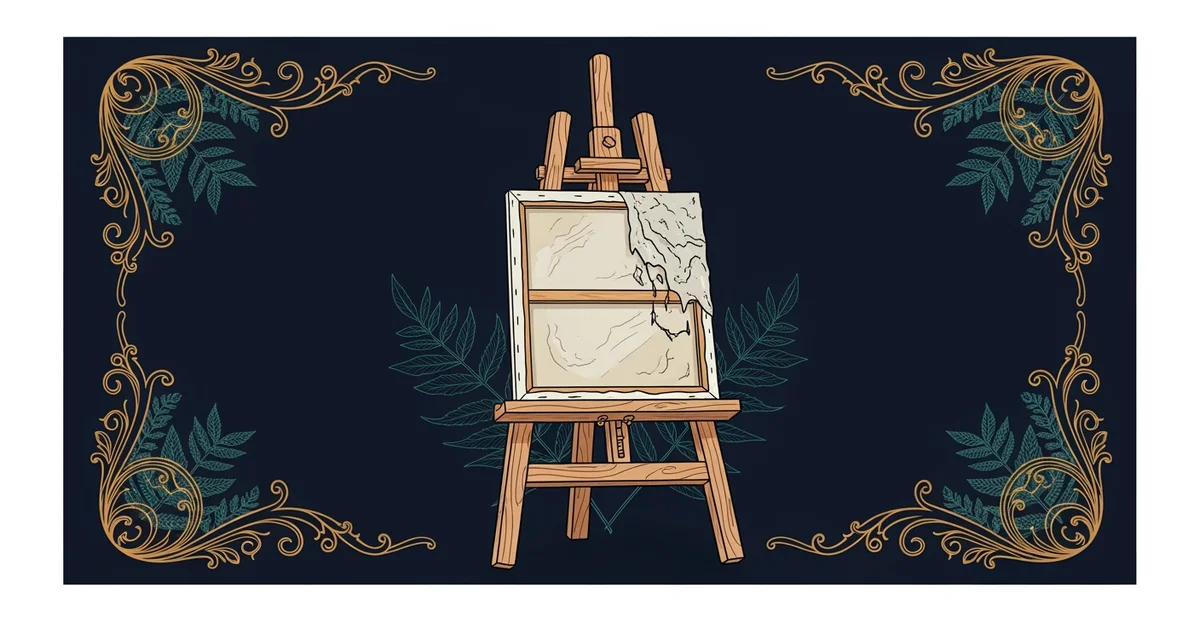
Imagine you are holding a priceless painting where the paint layer has begun to curl away from the canvas like dry, peeling skin. This physical decay creates an urgent problem because the loose flakes are fragile and could fall off the surface at any moment. When we face this situation, we must act with precision to secure the paint back onto its original support. This process of reattaching loose or lifting paint layers is known as consolidation. It functions much like using a high-quality adhesive to repair a broken ceramic vase, where the goal is to create a strong, invisible bond that lasts for many years.
The Mechanical Process of Securing Paint
When we begin the consolidation process, we first identify the areas where the paint has lost its structural connection to the ground layer. We must choose a binding material that is compatible with the original paint while ensuring it does not alter the appearance of the artwork. The technician applies a thin, controlled amount of the chosen adhesive under the lifting flake using a very fine brush or a specialized syringe. This requires a steady hand because we only want to introduce enough material to secure the flake without creating an unwanted glossy spot or damaging the surrounding area. Once the adhesive is in place, we apply gentle pressure to ensure the flake sits flush against the canvas or panel surface.
Key term: Consolidation — the technical process of reattaching loose or flaking paint layers to the underlying structure of a painting to prevent further loss.
To ensure the best outcome, experts follow a specific sequence of steps when working on fragile surfaces. These steps ensure that the material remains stable during the entire drying period:
- Mapping the damaged areas allows the restorer to identify exactly where the structural integrity has failed before applying any liquid materials.
- Cleaning the underside of the flake removes dust or debris that might prevent the adhesive from forming a strong, permanent bond with the ground layer.
- Selecting the appropriate binder is essential because different paint types require specific chemical compositions to ensure long-term stability and compatibility.
- Applying controlled pressure with a heated spatula or a small weight helps the adhesive flow evenly and bond the flake securely while it dries.
Selecting Appropriate Binding Materials
Choosing the right material for consolidation is a complex task because the binder must remain flexible enough to move with the painting as temperature and humidity change. If we use a material that is too rigid, it might crack when the canvas expands or contracts, leading to more damage in the future. We often compare this to choosing the right type of glue for a home project where you need a strong hold but also enough flexibility to handle daily wear. The following table highlights the common properties we look for when selecting these specialized binding agents for delicate art restoration projects.
| Property | Importance for Consolidation | Impact on Artwork |
|---|---|---|
| Flexibility | Allows for thermal movement | Prevents future cracking |
| Transparency | Maintains original colors | Ensures visual clarity |
| Reversibility | Allows for future removal | Protects long-term value |
| Aging Stability | Resists yellowing over time | Preserves the artist intent |
We must always prioritize materials that can be safely removed by future experts if new technology or better methods become available later. This principle of reversibility is a cornerstone of professional art care, ensuring that our current interventions do not permanently alter or damage the masterpiece. By carefully balancing these physical properties, we create a stable environment for the paint that respects the original artist intent. The success of this work depends on our ability to integrate these chemical binders without leaving any visible traces of our intervention on the surface. We continue to monitor the artwork after the consolidation is complete to ensure the flakes remain firmly attached to the ground layer as the adhesive fully cures and stabilizes within the structure of the painting.