
The Philosophy of Preservation
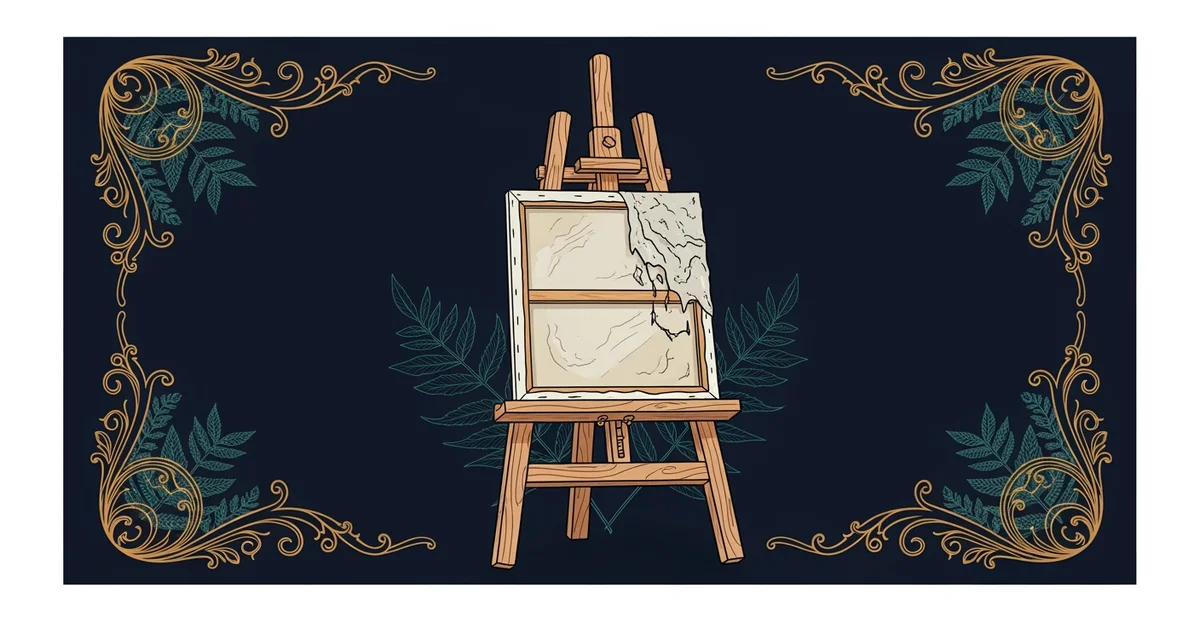
Imagine you discover a dusty, torn painting in your attic that looks like a lost family treasure. You want to fix the damage, but you worry that cleaning it might destroy the original brushstrokes forever. This dilemma sits at the heart of art preservation, where the goal is to keep history alive without erasing the artist's unique hand. Every choice involves a difficult balance between keeping the object stable and maintaining its true historical identity for future generations.
The Ethics of Aesthetic Intervention
When experts approach a fragile work, they must decide if they are repairing the piece or merely slowing down its natural decay. This conservation process focuses on stabilizing the materials so the object survives longer in its current state. If a conservator replaces missing paint, they face a moral choice about how much of their own modern style to add. Most professionals prefer to make changes that remain visible upon close inspection, ensuring that viewers can distinguish between the original work and the newer repairs. This transparency protects the integrity of the artist's vision while preventing the creation of a fake. Think of it like repairing a vintage watch where you keep the old gears running smoothly rather than replacing them with brand new digital parts.
Key term: Restoration — the practice of returning a damaged object to a previous, often idealized, state of appearance through physical intervention.
Balancing Material Integrity and Visual History
Beyond simple repairs, the philosophy of preservation requires us to acknowledge that art changes as it ages. A painting might darken over time due to the chemical breakdown of old varnish, which is a natural part of its history. Removing that yellowed layer makes the colors look bright again, but it also alters the specific look the artist intended for the work to have after a few decades. Experts often use a set of guiding principles to manage these complex decisions during their daily work:
- Minimal intervention ensures that conservators only perform the absolute necessary actions to prevent further physical damage to the object.
- Reversibility allows future experts to remove any treatments applied today if better technology or safer methods become available later on.
- Documentation requires recording every single change made to the piece so that future generations understand exactly what was altered and why.
These rules help keep the process focused on the safety of the object rather than the ego of the person doing the work. By following these steps, the expert acts as a guardian rather than an artist, prioritizing the long-term survival of the original message above all else.
The Challenge of Subjective Interpretation
Sometimes, the biggest hurdle is deciding what the artist actually wanted the work to look like when it was finished. If an artist left no notes, the conservator must guess the original intent based on the materials and the common practices of that specific time period. This creates a risk where the restorer might accidentally impose their own modern preferences onto an ancient masterpiece. To manage these risks, institutions often rely on a collaborative approach that brings together scientists, art historians, and skilled craftspeople to review every major decision. This team-based system helps filter out individual biases and ensures that the final result respects the historical context of the creation. By working together, these experts ensure that the painting remains a window into the past rather than a reflection of modern trends or personal taste.
True preservation succeeds when an object remains stable for the future while clearly showing the honest history of its own creation.
By understanding these core ethical foundations, you are now ready to explore the physical science behind how specific materials age and degrade over time.