
Material Science Basics
Paint acts like a living sponge that reacts to every change in the air around it. If you have ever seen a wooden door swell during a humid summer day, you have witnessed the same physical forces that threaten priceless oil paintings. Artists mix pigments with oils to create a flexible layer, but this layer is constantly shifting as the room temperature or moisture levels fluctuate. Understanding these materials is the first step in keeping history from fading away into dust. Professionals must respect the chemical balance of the paint to ensure that the artwork survives for future generations to enjoy.
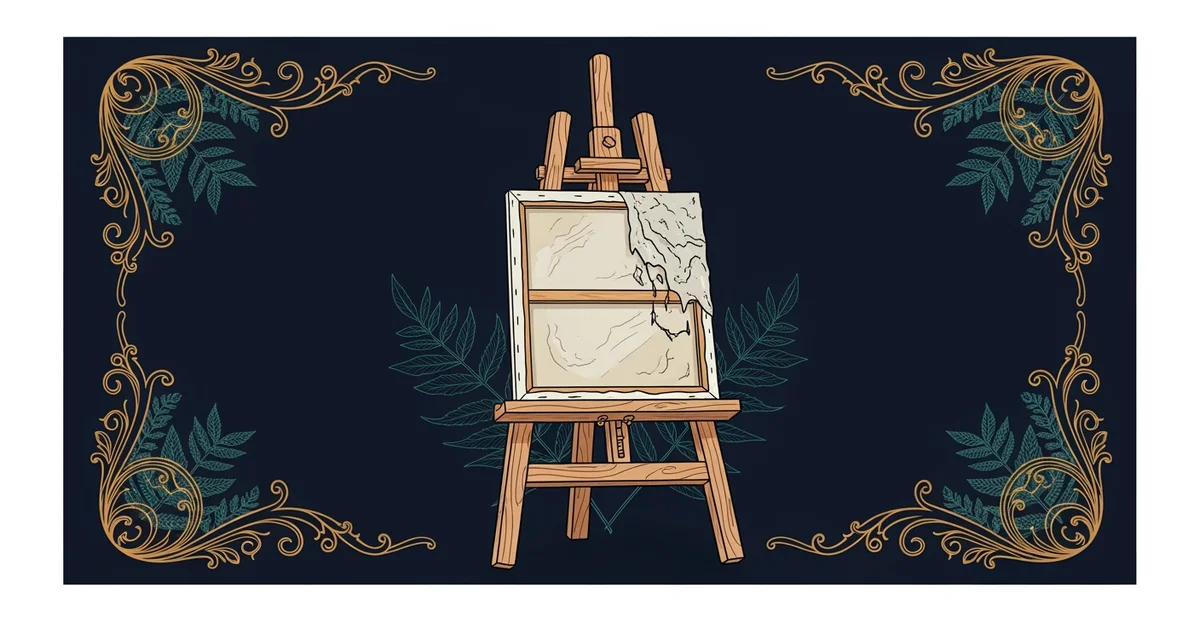
The Chemical Nature of Oil Paint
Oil paint consists of tiny ground minerals known as pigments suspended in a drying oil like linseed. These oils are unique because they do not evaporate like water-based paints, but rather they harden through a process called oxidation. When oxygen hits the surface of the wet paint, the oil molecules cross-link into a solid, rubbery film that traps the color inside. This film is quite strong, yet it remains sensitive to the environment because it is organic matter. Think of the paint layer as a thin piece of plastic wrap stretched over a frame that is constantly trying to expand or shrink. If the base underneath the paint moves too much, the rigid paint film will eventually crack under the pressure of the shifting support.
Common Patterns of Degradation
When paint is exposed to harsh conditions, it begins to show clear signs of wear that experts must identify quickly. These patterns act as a map for restorers, showing exactly where the environment has caused the most damage to the piece. Common degradation patterns include:
- Craquelure occurs when the paint film loses its elasticity and develops a network of fine cracks because the underlying canvas or wood board has expanded or contracted over time.
- Cleavage happens when the bond between the paint layer and the primer fails, causing the paint to lift away from the surface in tiny, fragile flakes that might fall off.
- Blanching appears as a cloudy or white haze on the surface, often caused by moisture trapped within the paint layers that disrupts the way light reflects off the varnish.
These issues are not just surface problems, but deep structural failures within the chemical makeup of the painting itself.
Environmental Factors and Material Stability
Maintaining the structural integrity of a painting requires careful control of the room where it hangs. Fluctuating heat and humidity force the materials to expand and contract at different speeds, which puts immense stress on the artwork. If the canvas expands faster than the paint layer, the paint will inevitably snap. This is similar to how a rubber band becomes brittle and breaks if you stretch it repeatedly in a cold room. By keeping the climate stable, experts prevent these materials from reaching their breaking point. The goal is to create a static environment where the chemical bonds within the paint remain undisturbed by the chaotic shifts of the outside world.
| Material | Property | Reaction to Change | Risk Factor |
|---|---|---|---|
| Canvas | Organic | Expands with humidity | Warping |
| Pigment | Mineral | Stable in light | Fading |
| Oil Film | Organic | Hardens with oxygen | Cracking |
This table shows how different parts of a painting react to their surroundings. The canvas and the oil film are both organic, meaning they change with the weather, while the pigments are minerals that mostly worry about light exposure. A restorer must balance these different needs to keep the painting whole. Understanding these specific risks allows the expert to choose the right tools for cleaning or repair without causing further harm to the original work.
Preserving oil paintings requires managing the delicate chemical balance between the flexible oil film and the reactive support structure to prevent physical decay.
Understanding the physical limits of these materials leads us to investigate the historical context and the specific techniques used by the original artist.