
Sustainable Urban Planning
In 2010, the city of Curitiba transformed its public transit system by integrating dedicated bus lanes with elevated boarding tubes. This bold move reduced traffic congestion while lowering the carbon footprint of millions of daily commuters. This is an example of Sustainable Urban Planning from Station 11 working in real conditions to solve complex growth problems. City designers must balance the needs of dense populations with the long-term health of the local environment. When we design for the future, we prioritize efficiency, accessibility, and ecological balance in every single structural decision.
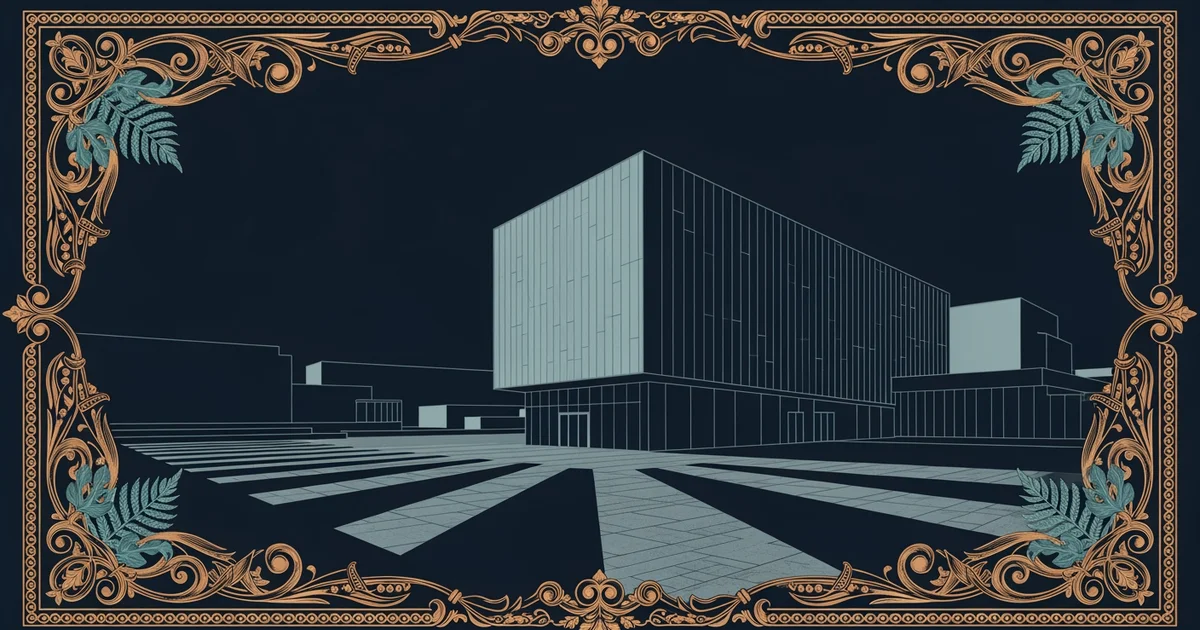
Designing for Density and Efficiency
Effective urban design requires a deep understanding of how people move through a shared space. Planners often use the analogy of a busy kitchen to explain this critical spatial balance. Just as a chef needs clear paths to move from the stove to the sink, a city needs clear paths for pedestrians, cyclists, and transit vehicles. If the layout is cluttered, the entire system slows down and becomes frustrating for every single user. Designers must create zones that allow for high density without sacrificing the basic comfort of the residents.
Key term: Urban Density — the concentration of people living in a specific geographic area that dictates infrastructure needs.
High density is not inherently bad if the infrastructure supports the population effectively. We must design buildings that serve multiple purposes to maximize the utility of every square foot. Mixed-use developments allow people to live, work, and shop in the same neighborhood block. This reduces the total distance traveled for daily tasks and lowers reliance on personal automobiles. By stacking functions vertically, architects create room for public parks and green spaces at the ground level.
Strategies for Green Infrastructure
To manage the environmental impact of a growing city, planners implement specific green strategies across all sites. These methods focus on reducing energy consumption and managing natural resources like water and sunlight. Incorporating these elements into the earliest design phases ensures that sustainability is a core feature rather than an afterthought. The following methods are essential for creating resilient urban environments that can withstand the pressures of climate change and population shifts:
- Permeable paving materials allow rainwater to soak into the ground instead of overwhelming city drainage systems.
- Green roofs provide natural insulation for buildings while reducing the heat island effect in dense urban centers.
- Passive solar orientation uses the natural path of the sun to heat or cool building interiors efficiently.
These strategies work together to form a cohesive system that protects the city from common environmental stresses. A building that collects its own water or generates its own power acts as a small, functioning ecosystem. When many buildings adopt these features, the entire city becomes more efficient and less dependent on external energy grids. This shift requires architects to think beyond individual facades and consider the broader impact of their work on the city.
| Strategy | Primary Benefit | Implementation Level |
|---|---|---|
| Green Roofs | Temperature Control | Building Exterior |
| Solar Panels | Energy Production | Building Roof |
| Rain Gardens | Water Management | Street Level |
Urban planning is a continuous process of adjusting to the needs of the people and the planet. Designers must constantly evaluate how their choices affect the daily lives of citizens in the long term. By applying these green strategies, we ensure that our cities remain livable, beautiful, and functional for future generations. Sustainability is not just a trend but a necessary framework for all modern architecture and urban development.
Sustainable urban planning balances human density with ecological health through efficient design and resource management.
But this model faces significant challenges when existing historical infrastructure cannot support modern green technology upgrades.