
Defining Architectural Purpose
Imagine walking into a room that feels too cold, too dark, or simply awkward to navigate. You likely feel an immediate urge to leave because the space fails to serve your basic human needs. Architecture is far more than just stacking stones or erecting steel beams to create a shelter. It is the deliberate art of shaping our physical world to support how we live, work, and interact. When a building succeeds, it balances the cold logic of engineering with the warm touch of human experience.
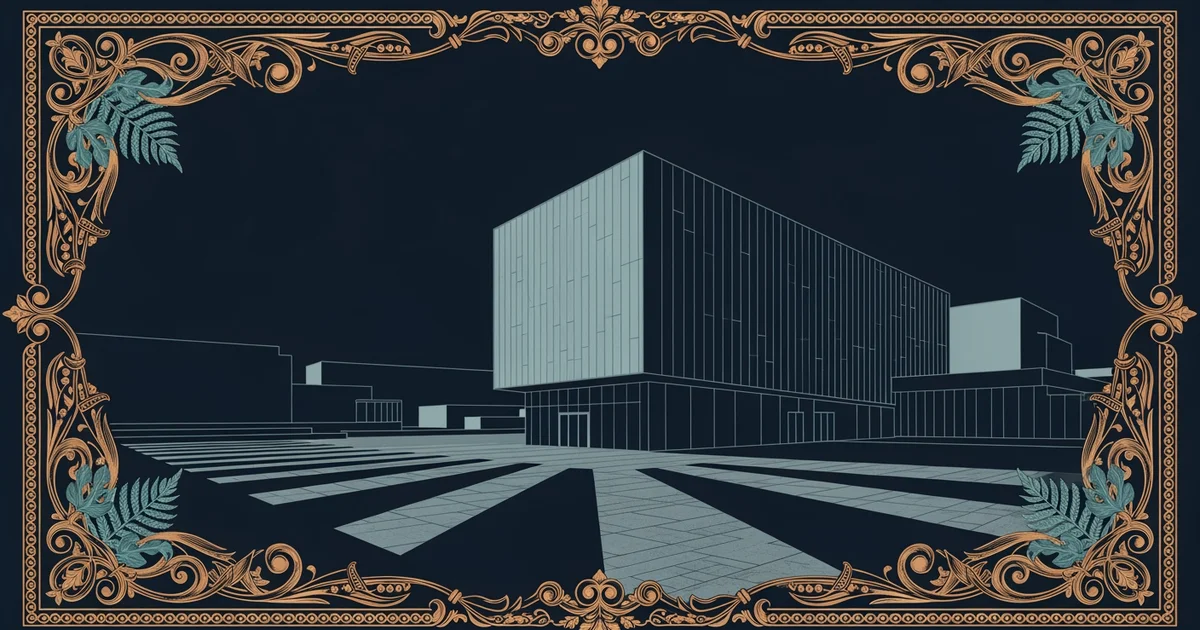
The Dual Nature of Built Spaces
Every structure must serve a specific purpose, which usually involves a delicate trade-off between utility and beauty. Architects often compare this process to designing a high-end watch that must keep perfect time while looking elegant on the wrist. If the watch fails to tell time, its beauty is irrelevant because it no longer functions as a tool. Conversely, a watch that tells time but is impossible to read or wear will never be used. Buildings follow this same rule by requiring both structural integrity and a clear sense of purpose.
Key term: Utility — the practical ability of a building to meet the functional needs of its users through efficient design.
Good design requires that we look at how people move through a space before we worry about the paint or the decor. Utility dictates the flow of a building, ensuring that hallways lead to rooms and doors open in useful directions. Without this foundational logic, the most beautiful building becomes a confusing maze that frustrates everyone who enters it. We must prioritize how a structure supports our daily habits before we attempt to make it look impressive to the outside world.
Balancing Form and Human Experience
Once the functional requirements are met, the focus shifts toward the visual expression that defines the character of a space. This is where architecture moves from simple construction into the realm of art. Visual expression allows a building to communicate its purpose, whether it is a quiet library meant for study or a loud stadium built for cheering crowds. The materials, light, and shapes work together to tell a story about why that building exists in that specific location.
| Design Element | Primary Goal | Human Impact |
|---|---|---|
| Floor Plan | Efficiency | Ease of movement |
| Natural Light | Atmosphere | Mood and energy |
| Exterior Form | Identity | Sense of place |
We can see how these elements create a unique experience by looking at how they interact with our senses. Natural light, for example, can make a small room feel expansive or a large hall feel intimate and cozy. When architects align these visual choices with the intended use of the building, they create a space that feels natural and right. The following list highlights the core requirements for a successful human-centric design:
- Structural integrity ensures that the building remains safe and stable for every person who enters the space.
- Functional flow organizes rooms and paths so that users can complete their tasks without unnecessary physical effort.
- Sensory harmony uses light and texture to create an environment that supports the intended emotional state of the user.
By focusing on these three pillars, designers ensure that a building does not just stand up but also stands for something meaningful. This path will guide you through the principles of structural form and artistic expression so you can understand how buildings influence our lives. You will learn to see the world as a collection of intentional design choices that shape your daily experience.
True architectural success occurs when a building perfectly balances the practical needs of daily life with a visual form that enhances the human experience.
The next step in our journey will explore the history of structural form to understand how past innovations allow us to build the ambitious structures we see today.