
Governance and Corruption Control
In 2015, the government of Brazil faced a massive scandal involving public construction contracts and inflated project costs. This situation highlights how hidden financial flows can undermine national stability, which is a core concept that builds upon the growth dynamics discussed in Station 12. When public money vanishes into private pockets, the entire mechanism of development stalls because essential services like schools and hospitals lose their funding. Transparency serves as the primary defense against this decay, acting like a bright light that prevents pests from hiding in the dark corners of a pantry. Without open records, citizens cannot hold their leaders accountable for the resources they manage on behalf of the public.
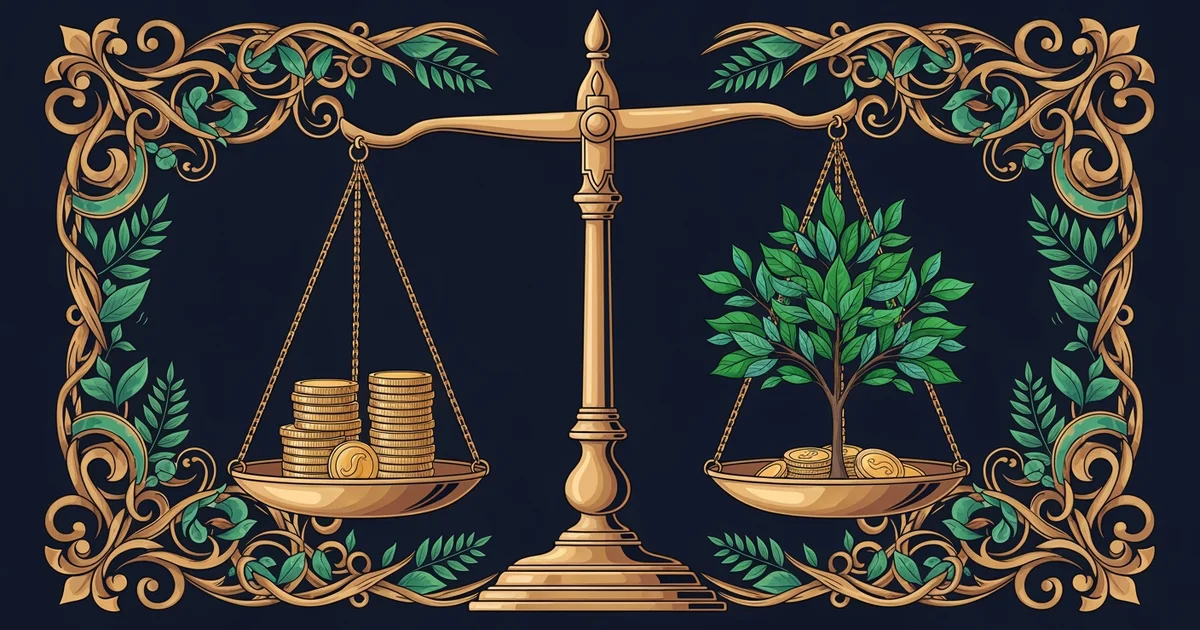
The Mechanics of Institutional Integrity
Effective governance requires clear rules that govern how officials handle the public purse. When systems lack oversight, individuals often prioritize personal gain over the collective welfare of the nation. This behavior creates a cycle where talented people leave the public sector, leaving behind a hollow structure that cannot deliver basic needs. Transparency acts as a filter, separating honest policy work from self-serving actions that drain the national wealth. By requiring public disclosure of all government spending, nations force officials to justify every cent they spend on infrastructure or social programs. This process turns hidden transactions into public information that journalists and citizens can analyze for signs of mismanagement.
Key term: Transparency — the practice of making government operations, budget data, and decision-making processes visible and accessible to the general public.
Building strong institutions also involves creating independent bodies that monitor the conduct of high-ranking officials. These watchdogs must have the legal power to investigate suspicious activity without fear of political retaliation. If a watchdog lacks teeth, it becomes a symbolic gesture rather than a functional tool for reform. Successful nations ensure that these agencies remain separate from the executive branch to prevent conflicts of interest. When the rules apply equally to every person, trust in the government grows, allowing for more stable economic planning and long-term investment in the future.
Tools for Accountability and Resource Management
Modern technology provides new ways to track how governments spend money across different sectors. Digital databases allow anyone to see where funds go, which reduces the chances of money disappearing between departments. These tools effectively transform raw data into a map of public spending that shows exactly which projects receive support. Using these platforms, communities can track the progress of schools or roads in their own neighborhoods. This level of oversight ensures that the money intended for public good actually reaches its destination without being lost to inefficiency or theft.
Transparency measures can be categorized by their specific role in protecting national resources:
- Public budget portals provide real-time updates on national spending to ensure that citizens can see how tax money supports schools and hospitals.
- Independent audit agencies perform regular checks on government departments to identify errors and prevent the misuse of public funds before they occur.
- Whistleblower protection laws create safe channels for employees to report illegal activities without the risk of losing their jobs or facing harassment.
These mechanisms function like a security system for a house, where alarms and locks prevent unauthorized access to the most valuable assets. By implementing these digital and legal frameworks, a nation creates a culture where honesty becomes the expected standard for all public servants. This shift reduces the cost of doing business, as companies no longer need to pay bribes to secure fair treatment or government contracts. As a result, the economy becomes more competitive and attracts more honest investors who seek stable environments for growth.
True development flourishes only when citizens have the tools to verify that their leaders are using public resources for the common good.
But this model faces a significant challenge when powerful groups work to restrict the flow of information for their own benefit.