
Historical Roots of Inequality
Imagine two neighbors starting a race where one person begins fifty yards behind the starting line. The person in front has a clear path, while the person in the back must navigate thick mud and steep hills to catch up. This simple race represents how historical events shape the economic status of modern nations today. Some countries started their development journey with vast resources and stable systems, while others faced centuries of disruption that hindered their growth. Understanding these past conditions is essential to explaining why global wealth gaps persist in the modern world.
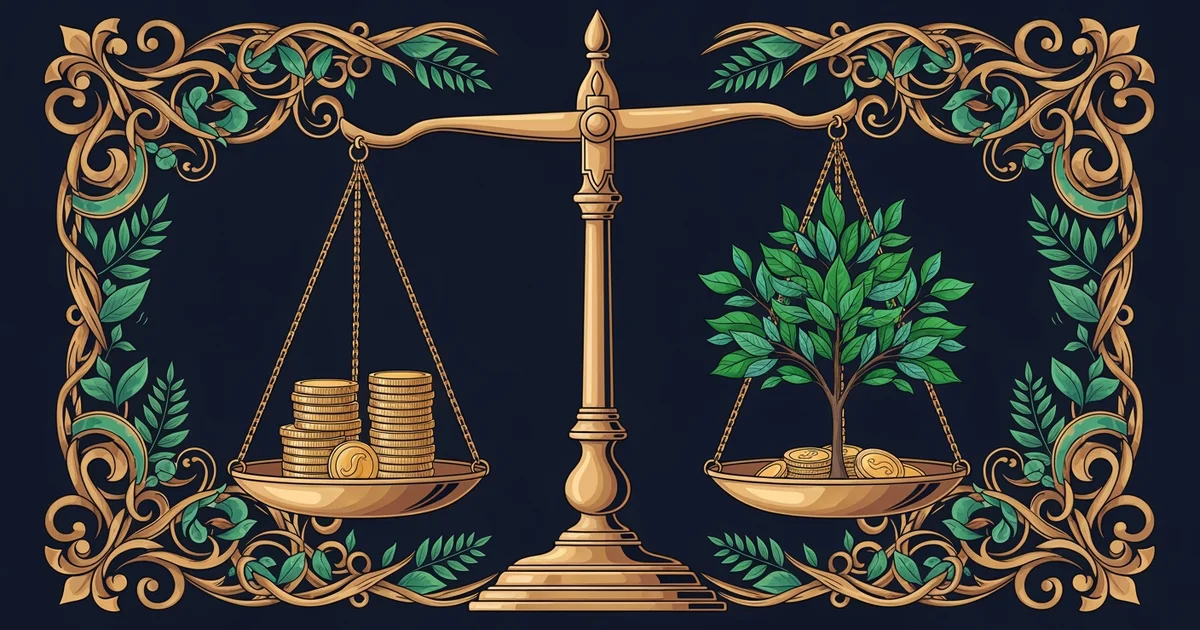
The Lasting Impact of Historical Structures
Economic progress rarely happens in a vacuum because every nation builds upon the foundations laid by its ancestors. When we look at global inequality, we often see the results of long-term patterns that began hundreds of years ago. Some regions experienced periods of rapid investment in infrastructure, education, and legal systems that protected private property rights. Other regions faced systemic extraction where wealth was moved outward rather than reinvested locally to foster internal growth. This creates a cycle where those with existing capital find it easier to generate more wealth compared to those who lack a starting base.
Key term: Path dependency — the concept that current economic outcomes are heavily constrained by decisions and events from the past.
Historical events act like a heavy anchor that keeps a ship from moving forward even when the tide is high. Even if a nation implements new policies to encourage growth, the weight of previous institutional failures can slow down progress significantly. For instance, if a country lacked a fair court system for generations, it becomes difficult to build trust in modern business contracts overnight. These deep-rooted issues require more than simple financial aid to resolve because they are embedded in the way society functions daily. We must look at these structural barriers to understand why progress is not always linear or guaranteed.
Drivers of Economic Divergence
Several factors have historically dictated which nations could accumulate wealth and which ones struggled to build a stable foundation. These drivers often interact, creating a complex web of influence that shapes the prosperity of an entire population over many decades. By examining these forces, we can identify why certain geographic areas faced more hurdles than others while trying to achieve basic economic stability.
- Institutional Quality: Nations with transparent laws and reliable property rights create an environment where citizens feel safe investing their time and money into local businesses.
- Resource Endowment: Regions blessed with diverse natural resources often have a head start, though this only leads to long-term growth if the wealth is managed effectively.
- Human Capital Investment: Societies that prioritize universal education build a workforce capable of innovation, which allows them to adapt to new technologies and global market shifts.
These factors are not just static labels but active components of a nation's development strategy. A country might have many natural resources, but without strong institutions to manage them, the wealth often benefits only a small group of people. This prevents the broader population from gaining the skills needed to move the economy toward higher value activities. Education acts as the engine that powers these systems, but it requires a stable environment to function correctly. When we compare these elements across different nations, we see how historical choices create the modern economic landscape.
| Feature | Impact on Growth | Historical Role |
|---|---|---|
| Legal Systems | High Stability | Protects Assets |
| Education | High Potential | Builds Skills |
| Trade Networks | Medium Growth | Connects Markets |
This table illustrates how specific structural elements contribute to the overall economic health of a nation. By analyzing these features, we can see that wealth is not just about having money, but about having the systems in place to grow it sustainably. Nations that invested in these areas early on created a momentum that is difficult for others to replicate without significant time and effort. History shows us that equality is not the default state of the world, but rather a result of careful, sustained institutional design.
Economic inequality is often the cumulative result of historical systems that either fostered or restricted the development of local institutions and human potential.
Next, we will explore how the cultivation of human capital serves as the primary engine for overcoming these historical disadvantages.