
The Role of Human Capital
Imagine two identical factories that produce the same goods, yet one facility consistently outperforms the other in total output. The difference lies not in the machinery or the raw materials, but in the specific skills and health of the people operating the equipment. This observation highlights the core of modern economic development, where the focus shifts from physical assets to the people who power the economy. When we consider why some nations thrive while others struggle, we must look at the collective abilities of their citizens. This concept, known as human capital, represents the total value of the skills, education, and health that workers bring to their tasks.
The Economic Value of Education
Investing in education acts as a long-term engine for growth because it improves the quality of labor within a country. When people gain knowledge, they become more efficient at solving complex problems and adapting to new technologies. Think of a human mind like a high-performance computer; without software updates, the hardware remains limited in what it can achieve. Education serves as that software update, allowing the mind to process information faster and perform more intricate functions. As more individuals complete schooling, the entire workforce gains the ability to produce goods with higher value, which eventually leads to greater prosperity for the whole society.
Key term: Human capital — the collection of skills, knowledge, and health that individuals possess, which increases their capacity to generate economic value.
Beyond individual success, the benefits of education ripple outward to improve the entire national economy. A workforce that understands modern science and mathematics can innovate, creating new products that were previously impossible to manufacture. This innovation drives competition and pushes firms to improve their processes, creating a cycle of continuous improvement. Nations that prioritize schools and training programs ensure that their citizens remain competitive in a global market. Without these investments, a country risks falling behind as other nations adopt smarter, more efficient ways of working.
Measuring the Returns on Investment
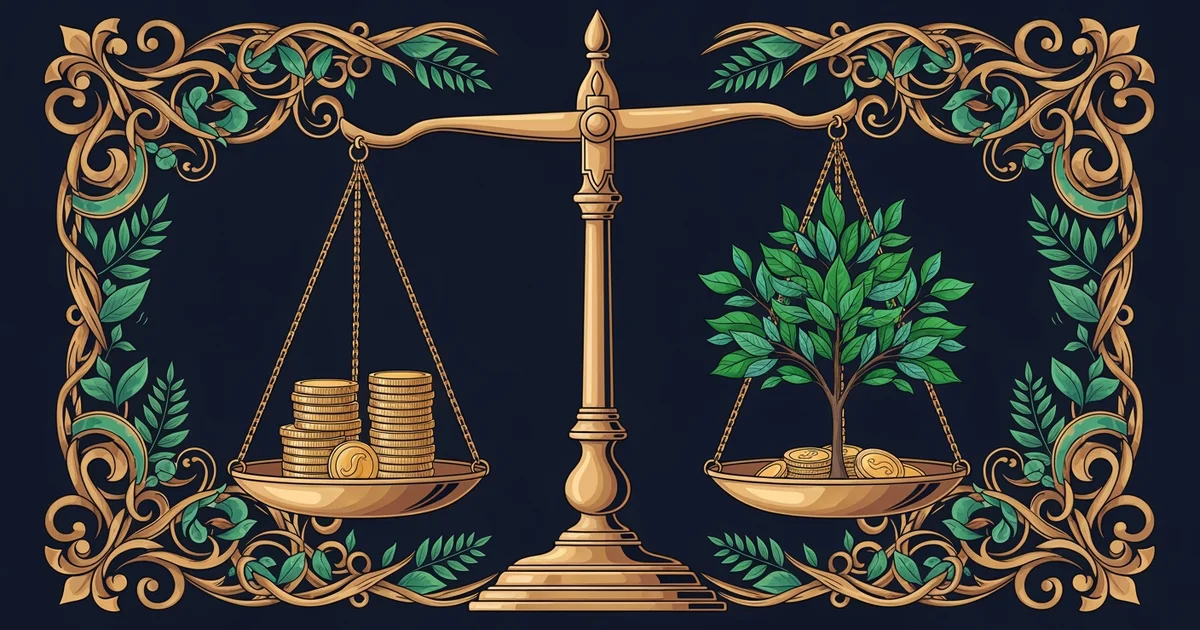
To understand how these investments function, we must compare the different ways countries allocate their limited resources toward development. Each nation faces a choice between building physical infrastructure, such as roads, or developing human potential through health and education. The table below illustrates how different types of investment impact long-term national productivity levels over time.
| Investment Type | Primary Benefit | Long-term Impact | Time Horizon |
|---|---|---|---|
| Schooling | Cognitive skills | High innovation | Long-term |
| Health care | Worker stamina | Higher output | Medium-term |
| Vocational | Technical skill | Faster production | Short-term |
Different strategies exist for nations to build their human capital base effectively and sustainably:
- Public schooling provides a foundational level of literacy and numeracy that allows all citizens to participate in the modern workforce, ensuring that no one is left behind due to a lack of basic knowledge.
- Specialized training centers focus on teaching technical skills that are currently in demand by local industries, which helps bridge the gap between classroom learning and the actual needs of the private sector.
- Preventative health initiatives ensure that the labor force remains strong and capable of working consistently, because even the most educated person cannot contribute to the economy if they are frequently suffering from illness.
These three strategies work together to create a resilient economic environment. When a government funds these areas, it is not simply spending money; it is building a foundation that will produce returns for decades. A country that ignores these investments will eventually find that its physical infrastructure is underutilized because its people lack the necessary skills to operate it. By focusing on the health and knowledge of the populace, a nation ensures it has the tools required to adapt to future challenges and shifts in the global economy. The prosperity of a nation is therefore fundamentally tied to how well it cultivates the potential of its own people.
National productivity depends more on the collective skills and health of the population than on the physical resources available in the territory.
Now that we understand the value of people, we will explore how physical infrastructure and connectivity serve as the essential highways that allow these skilled workers to move their ideas and products across the world.