
Thermal Conductivity Physics
Imagine touching a cold metal spoon sitting in a hot cup of coffee. You feel the heat move into your hand quickly because the metal carries energy with great speed. This movement of energy through a solid material is what we call thermal conductivity. When atoms vibrate, they pass their energy to neighbors like a line of people passing buckets. In some materials, this process happens very fast while in others it happens slowly. Understanding this movement helps us build better houses and more efficient machines for daily use.
The Role of Phonons and Electrons
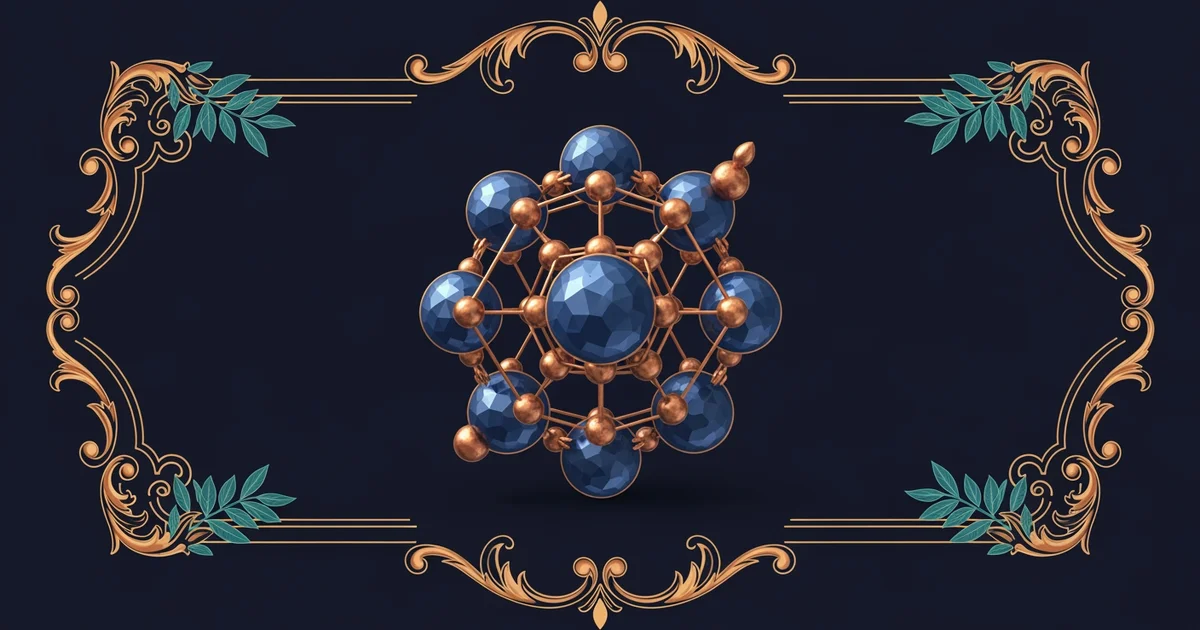
Thermal energy travels through solids using two main methods that work in tandem. The first method involves phonons, which are tiny vibrations of the atomic lattice structure. When one atom moves, it pushes against the next atom in the chain. This ripple effect carries heat energy from the hotter side to the colder side. Metals also use a second method involving conduction electrons that move freely through the solid. These electrons act like fast messengers that zip across the material to deliver energy quickly. Because metals have many free electrons, they transfer heat much better than insulators like wood or plastic.
Key term: Thermal conductivity — the physical property of a material that measures its ability to conduct heat energy through internal atomic vibrations.
Think of thermal conductivity like a busy city transit system during a morning rush. In a metal, the free electrons act like an express train that moves people across the city in minutes. In a ceramic or wood material, there are no express trains available for the commuters. Energy must move by local walking, which is the slow vibration of atoms against each other. This explains why a metal pan gets hot on a stove while the wooden handle stays cool. The material structure dictates how fast the energy can reach your hand.
Comparing Heat Transfer Mechanisms
Materials differ in their ability to move heat based on their internal atomic bonds. We can compare how different solids handle thermal energy by looking at their internal structure and speed. The table below shows how various materials compare when transferring heat energy across a set distance.
| Material Type | Primary Mechanism | Heat Transfer Speed | Typical Use Case |
|---|---|---|---|
| Pure Metals | Free Electrons | Extremely Fast | Cooking Pans |
| Ceramics | Atomic Vibrations | Very Slow | Heat Shields |
| Plastics | Atomic Vibrations | Extremely Slow | Food Containers |
Some materials are better at blocking heat than others because they lack free electrons. Ceramics, for example, hold their atoms in rigid positions that resist the flow of energy. When you heat a ceramic bowl, the vibrations stay localized near the heat source for a long time. This makes them perfect for protecting surfaces from high temperatures without burning your hands. Metals lack this resistance, so they allow heat to spread evenly and rapidly across their entire surface area. By choosing the right material, engineers can control how heat moves through a device or a building structure.
When atoms vibrate, they do not just move in one direction alone. They collide with other atoms and transfer energy in all directions within the solid. This collision process is why a thin rod of copper warms up faster than a thick block of glass. The copper has a dense network of electrons that facilitate rapid movement of kinetic energy. Glass lacks these mobile particles, so the heat remains trapped at the point of contact. This fundamental difference determines how we design everything from computer heat sinks to home insulation.
Thermal conductivity depends on the speed of atomic vibrations and the presence of free electrons within a solid material structure.
But what does it look like in practice when we apply these properties to magnetic fields?