
Whistleblowing Ethics
You discover that your company is dumping chemical waste into a local stream to save money. This secret action directly violates environmental safety laws and threatens the health of your neighbors.
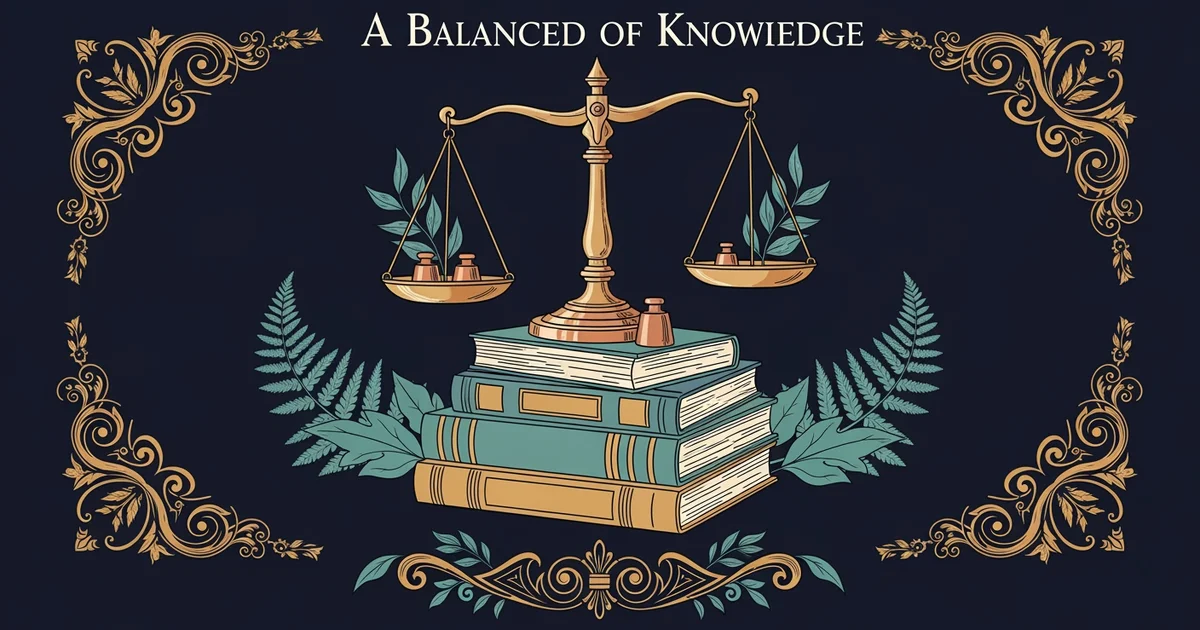
The Moral Burden of Reporting
When you identify organizational misconduct, you face a difficult choice between loyalty and integrity. Whistleblowing is the act of exposing illegal or unethical behavior within an organization to external authorities. This process requires a careful balance between your duty to the employer and your duty to the public interest. Many people fear that reporting will destroy their careers or isolate them from their professional peers. However, keeping silent often allows harm to continue and grow over time. You must weigh the potential damage caused by the misconduct against the risks of speaking out. Ethical frameworks suggest that the duty to prevent harm to others usually outweighs the duty of loyalty to a private firm. When you witness a clear violation of safety, the moral weight of protecting innocent people becomes your primary responsibility.
Evaluating the Justification for Disclosure
Before taking action, you must determine if the evidence is strong enough to warrant such a serious step. You should gather factual proof that the organization is indeed acting in an illegal manner. This is like a mechanic inspecting a car engine to find the exact source of a dangerous leak. If the mechanic guesses without proof, they might waste time or cause further damage to the vehicle. Similarly, reporting rumors without hard evidence can hurt innocent people and damage your own credibility. You need to verify the facts so that your claims stand up to scrutiny by outside investigators. Once you confirm the misconduct, you must consider if internal channels were exhausted or if they are clearly ineffective. Reporting is a last resort that you should only use when all other paths to justice are blocked.
Key term: Whistleblowing — the deliberate act of reporting organizational wrongdoing to outside authorities to stop harm.
Professional ethics require that you act with caution and precision when you report these serious issues. You should document every detail of the misconduct while keeping your methods professional and objective at all times.
| Stage of Action | Goal of Stage | Risk Level |
|---|---|---|
| Internal Review | Verify the facts | Low risk |
| Internal Reporting | Solve the issue | Medium risk |
| External Disclosure | Stop the harm | High risk |
This table shows that as you move toward external disclosure, the risks to your career increase significantly. You must be prepared for these consequences because your commitment to the truth is being tested. The goal of this process is to stop the harm rather than to punish the organization itself.
Balancing Professional Duties
Your professional identity is tied to the trust that your colleagues and the public place in you. When an organization forces you to choose between your job and your values, the choice reveals your true character. Deontological ethics suggest that you have a duty to follow rules that protect the safety of society. This duty exists regardless of whether the company wants to keep its actions hidden from the public eye. You should remember that your professional license or status is a privilege that comes with specific ethical burdens. If you ignore misconduct, you become a silent partner in the harm that the company is causing. By choosing to speak out, you uphold the standards of your profession and protect the community from future threats. This path is rarely easy, but it is the only way to maintain your personal and professional integrity in a complex work environment.
True whistleblowing occurs when a professional prioritizes the safety of the public over their own comfort and organizational loyalty.
But what does it look like in practice when legal requirements conflict with these ethical choices?