
Conflict of Duties
Imagine you are a doctor who must choose between saving a patient or keeping a promise to a colleague. You hold two duties that both seem vital, yet you can only fulfill one of them. This tension defines a Conflict of Duties, where professional obligations pull you in opposite directions at once. When these mandates clash, you must decide which path holds more weight. Choosing one duty often means failing another, creating a difficult ethical gap that requires careful logic to bridge.
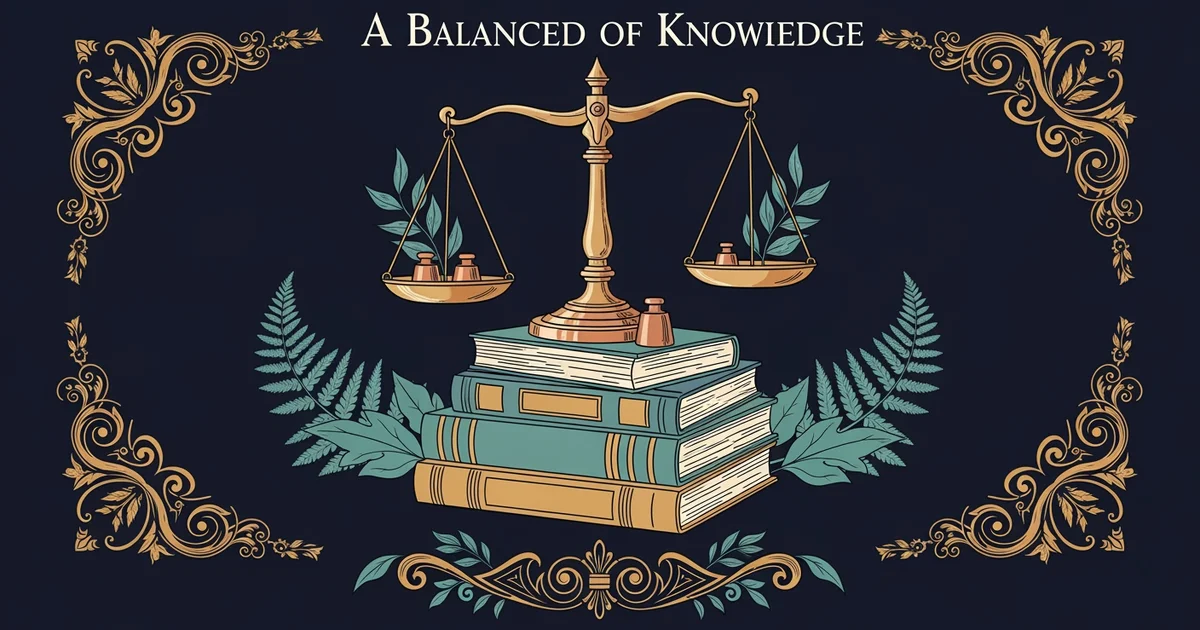
Navigating Competing Obligations
When we face these dilemmas, we often look for a clear hierarchy to guide our next steps. A duty to protect human life usually sits at the top of any professional moral ladder. Other duties, such as loyalty to a business or strict adherence to rules, fall below that primary concern. Think of this like balancing a scale where the heaviest items must rest on the bottom to keep the structure stable. If you place a light task on the bottom and a heavy life-saving duty on top, the entire system will likely tip over and fail. You must identify which duty carries the most impact on human welfare before you make a final move.
Key term: Deontological ethics — a framework that focuses on the inherent rightness or wrongness of actions based on rules rather than consequences.
Professional life requires us to maintain order while we balance these competing moral claims. We often use a structured approach to rank our responsibilities when they start to overlap. This process helps us ensure that our most important commitments remain safe from compromise. By organizing our tasks by their core purpose, we can see which ones deserve our immediate attention. This prevents us from making impulsive choices that might hurt our professional standing or personal integrity in the long run.
Applying Logical Priority
We can organize our professional mandates by looking at their scope and their ultimate impact on the people we serve. To manage these situations effectively, we often classify our duties into specific categories that define how we must act. Consider the following common categories that professionals use to rank their daily obligations:
- Primary duties involve protecting the safety and basic rights of individuals who depend on your professional skills and expertise.
- Secondary duties relate to following company policy or maintaining professional decorum that supports the smooth operation of your workplace.
- Tertiary duties include minor administrative tasks that keep records accurate but do not directly influence the immediate well-being of others.
When you apply this logic, you can resolve most conflicts by prioritizing the primary duties over the others. If a secondary duty forces you to ignore a primary duty, the hierarchy dictates that you must choose the primary one. This method ensures that the most critical needs are always met first, even if it creates friction with lesser rules. You are not ignoring the rules, but rather placing them in an order that protects the people involved. This logical flow (for all) professional actions helps maintain a consistent standard of behavior across your entire career.
Evaluating Professional Impact
To ensure we make the right choice, we must look at how our actions affect the people who rely on us. We can compare how different duties influence our daily work environment using the following table of professional focus areas.
| Duty Type | Impact Level | Primary Goal | Focus Area |
|---|---|---|---|
| Primary | High | Human Safety | Life and Health |
| Secondary | Medium | Organization | Policy Compliance |
| Tertiary | Low | Efficiency | Documentation |
By checking this table, you can see that primary duties demand the most focus because they protect human lives. Secondary duties help the system run, but they should never replace the need to keep people safe from harm. When you face a choice, look at the impact level of each option to see which one carries more weight. This simple check stops you from putting minor rules above major human needs. It keeps your professional path clear and helps you defend your choices if someone asks about your reasoning later.
Resolving a conflict of duties requires applying a hierarchy where the protection of human welfare remains the highest priority.
But what does it look like in practice when these duties affect your independence?
Want this with sources you can check?
Premium Learning Paths for Philosophy & Ethics are researched against open-access libraries — PubMed, arXiv, government databases, and more — with their distinctive claims cited to real sources and independently checked.
See what Premium includes