
Duty Versus Consequence
Imagine you must decide whether to tell a painful truth or a comforting lie to a friend. You might feel torn between your duty to be honest and the potential harm your words cause. This tension defines the core struggle between two major ways of thinking about our actions. One approach focuses on the strict rules we must follow, while the other looks only at the final results. Choosing between these paths often determines the moral quality of our professional and personal lives.
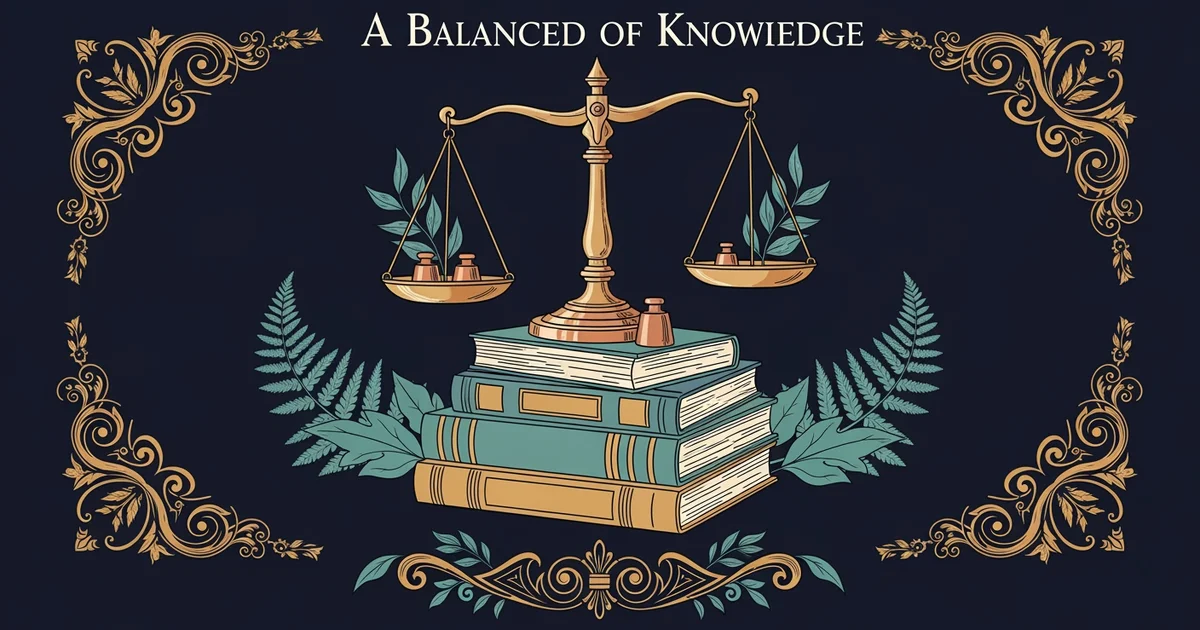
Contrasting Duty and Outcomes
When we talk about deontological ethics, we focus on the idea that certain actions are inherently right or wrong. This framework suggests that your moral obligation is to follow specific rules regardless of the consequences. For example, if a rule says you must never lie, you must tell the truth even if it leads to a bad outcome. Think of this like a strict traffic law that requires you to stop at a red light. Even if the road is empty and you are in a rush, the law demands that you stop because the rule itself holds supreme value. You do not calculate the benefit of running the light because your duty is to obey the mandate.
In contrast, utilitarianism suggests that the right action is the one that produces the best possible result for everyone. This goal-oriented framework asks you to look at the future and predict how your choices will affect the world. If telling a lie prevents a disaster or brings happiness to many people, a person using this framework might argue that lying is the correct choice. The focus shifts from the action itself to the impact that the action leaves behind. You are essentially weighing the pros and cons of every situation to find the path that creates the most good.
Key term: Deontological ethics — a moral framework that judges the rightness of an action based on whether it adheres to established rules or duties.
To see how these differ in practice, consider the following table comparing the two approaches across three core dimensions of decision making:
| Feature | Deontological Approach | Utilitarian Approach |
|---|---|---|
| Primary Focus | Following fixed moral rules | Maximizing positive outcomes |
| View of Duty | Duty is an absolute mandate | Duty is a means to an end |
| Flexibility | Low — rules are rigid | High — context changes the choice |
Navigating Moral Complexity in Practice
Understanding these two paths helps you see why people often reach different conclusions about the same problem. When a professional faces a difficult choice, they must decide if they are a servant to the rules or a servant to the outcome. If you are a doctor, your duty might be to provide the truth to a patient even if it causes them temporary distress. A different professional might prioritize the patient's immediate peace of mind above the abstract duty of total transparency. Both individuals are trying to do what is right, but they are using different tools to reach their final answer.
This choice between duty and consequence is not just a classroom exercise for students. It happens every time you decide to follow a policy at work or break a rule to help a colleague. If you choose the rule, you preserve the integrity of the system and maintain consistency for everyone involved. If you choose the outcome, you might solve an immediate problem but risk creating a situation where rules become optional. You must decide which value matters more to you when the pressure is high and the path forward is unclear.
Moral decisions require balancing the rigid demands of duty against the unpredictable nature of future consequences.
The next Station introduces rights and obligations, which determines how these duties apply to our relationships with others.