
Defining Deontology Basics
Imagine you see a person drop a wallet full of cash on a busy sidewalk. You could return it to them, or you could keep it because they will never know the difference. Most people feel a strong pull to give it back regardless of whether anyone is watching or what the outcome might be. This internal nudge represents the core of how we decide what is right and wrong. It suggests that certain actions hold value simply because they are the correct things to do. We often focus on results, but this perspective shifts the focus entirely toward our personal obligations.
The Nature of Moral Obligation
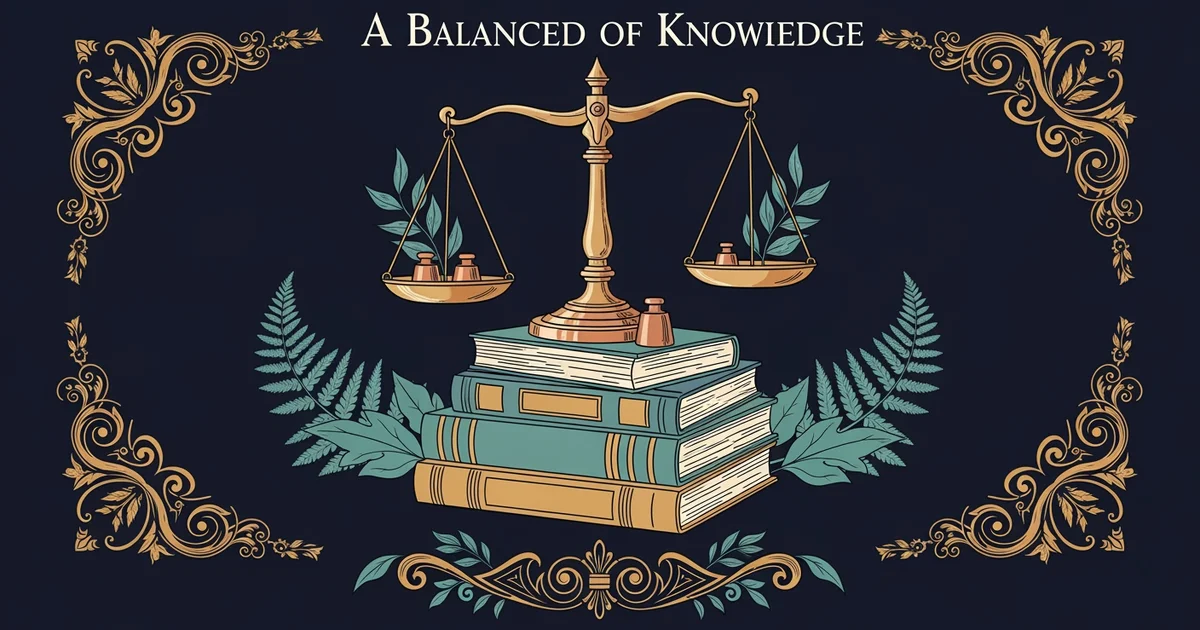
When we talk about deontology, we are discussing a framework that centers on rules and duties. This approach argues that the morality of an action rests on whether it follows a moral rule. It does not matter if the results are good or if they are bad for others. If you have a duty to tell the truth, you must do so even if lying would save someone from temporary pain. Think of it like a rigid contract you sign with your own conscience. You are bound by the terms of the agreement regardless of how the situation changes over time.
Key term: Deontology — the ethical theory that uses rules and duties to determine if an action is morally right or wrong.
This way of thinking acts like a compass that points north regardless of the weather. If you are lost in a storm, you do not change the direction of the needle just because you want to reach a specific destination faster. You follow the path that the needle indicates because you trust the system itself. Following these rules provides a sense of stability in a world where we cannot predict the future. We cannot always know how our choices will end, so we rely on duty as our guide.
Comparing Duty and Consequences
To understand this framework, we must contrast it with systems that judge actions by their final results. Many people naturally judge an action by the outcome it produces for the majority of the group. If an action leads to happiness, they label it as good, but if it causes harm, they label it as bad. This is a common way to navigate life, but it creates a major problem for our moral consistency. We often find ourselves guessing about future events that we cannot truly control or fully predict.
| Feature | Duty-Based Approach | Consequence-Based Approach |
|---|---|---|
| Primary Focus | Following moral rules | Achieving best results |
| Predictability | High and consistent | Low and fluctuating |
| Moral Basis | Intent and obligation | Outcome and impact |
We can clarify these differences by looking at how they handle specific moral choices:
- Duty-based reasoning requires us to follow established moral laws because the action itself is inherently right, which keeps our personal integrity stable.
- Consequence-based reasoning asks us to calculate the potential impact of our choices, which often forces us to compromise our rules for the sake of a better outcome.
- The conflict arises when the best result requires us to break a rule, forcing us to choose between the integrity of our principles and the benefit of the group.
Choosing a path requires us to accept the risks that come with our decision-making process. If we prioritize outcomes, we risk losing our moral compass when the situation turns sour. If we prioritize duty, we risk causing harm when the rules do not fit the complex reality of the situation. This tension is the reason why we study ethics in the first place. By learning these basics, you will build a toolkit for navigating difficult professional and personal dilemmas throughout your life.
Right actions are defined by our adherence to moral duties rather than the unpredictable results of our choices.
This path provides you with the essential framework to evaluate professional dilemmas through the lens of duty.