
Full Production Plan
When the curtain rises on opening night, the audience sees a world that feels complete and intentional. Achieving this level of immersion requires more than just good lighting or a nice set piece. A production plan acts as the blueprint for this transformation, ensuring that every visual detail serves the story. Without a clear plan, the stage becomes a collection of random objects rather than a living, breathing environment. Think of the production plan as a master budget for a small business, where every dollar and minute must support the primary goal of the company. If you spend your resources on the wrong priorities, the entire operation fails to deliver its intended value to the customer.
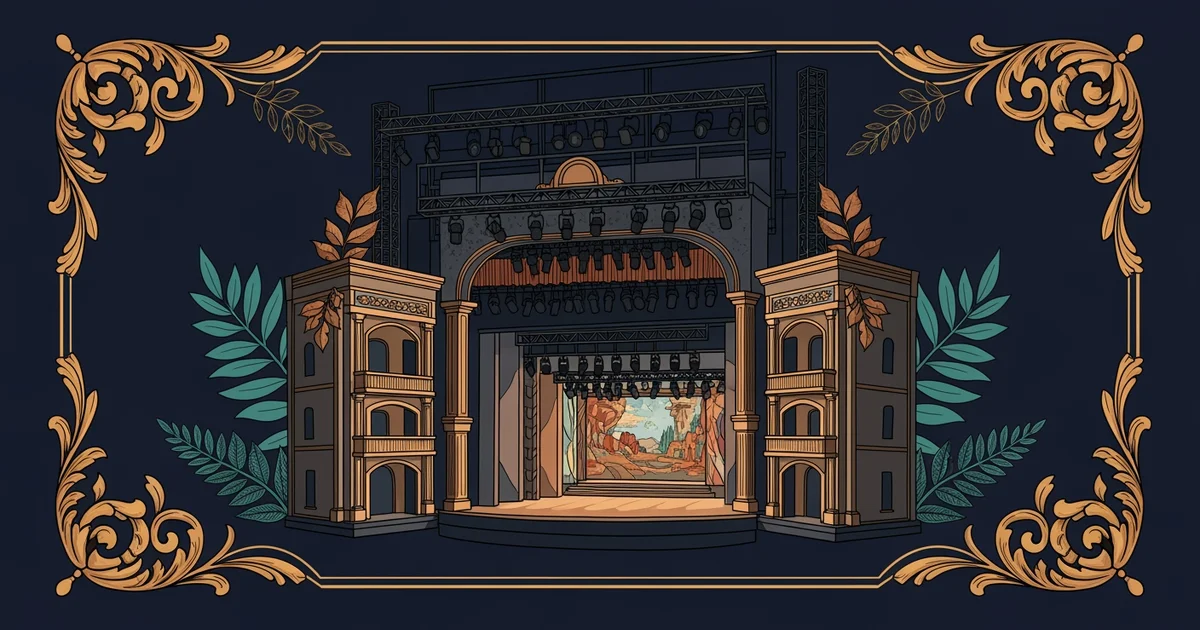
Organizing the Creative Vision
To move from a script to a stage, you must synthesize every design element into a unified whole. This process starts by aligning the lighting, sound, and set design with the core themes of the play. If the script calls for a dark and moody atmosphere, the lighting should not be bright and cheerful. Every choice must reinforce the narrative, creating a cohesive experience for the viewer. Designers often use a production package to keep these elements organized and consistent throughout the rehearsal process. This package serves as the single source of truth for the entire creative team, preventing confusion when changes occur.
Key term: Production package — the collection of all technical documents, drawings, and cues that define the visual and auditory requirements of a show.
When building this package, you must ensure that each department communicates effectively. A set designer needs to know where the lighting instruments will hang, while the sound engineer needs to know where the speakers will sit. These technical constraints often force designers to make compromises, which is a natural part of the creative process. A successful plan balances artistic ambition with the physical reality of the stage space. By documenting these interactions early, you avoid costly mistakes during the final stages of production.
Coordinating Technical Elements
Integration requires a structured approach to ensure that nothing is overlooked during the build phase. You can think of this as a complex puzzle where every piece must fit perfectly into the frame. If you ignore one piece, the entire image remains incomplete and confusing to the audience. The following elements must be coordinated to ensure the production runs smoothly:
- Lighting Plot provides the exact location and focus for every lamp, ensuring that the stage is illuminated according to the artistic vision of the director.
- Sound Cue Sheet lists every audio effect and musical transition, allowing the technician to trigger events at the precise moment they are needed.
- Prop List tracks all handheld items used by the actors, ensuring that every necessary object is ready for use during the performance.
Managing these components requires constant attention to detail and clear communication. You might find that a prop is too large for the set, or that a light is blocked by a piece of scenery. These issues are common, but they are manageable if you have a robust plan in place. The goal is to create a rhythm where technical changes happen seamlessly, allowing the audience to stay focused on the performance. When every element is synchronized, the stage feels like a natural part of the story rather than a construction site.
Synthesis of Design Logic
Integrating these elements helps us answer how visual spaces transform a script into a living world. We have moved from early digital rendering to the final assembly of the production. By combining the digital concepts with physical reality, we create a space that supports the actors and engages the audience. This synthesis is the final step before the show meets the public. It marks the transition from planning to execution, where the theoretical design becomes a tangible reality. The tension between the ideal vision and the physical limits of the theater is where the most creative solutions are born.
A successful production plan aligns every technical and artistic choice to ensure the stage becomes a unified world for the audience.
After the final plan is set, the team moves into the final critique phase to evaluate the impact of the design.