
The Designer Role
Imagine you walk into a silent, empty room that feels like a cold, hollow shell. A single script sits on a table, waiting for life, color, and movement to define its space. That room is a blank canvas, and the person holding the brush is the designer. They do not just decorate a stage; they build the entire world that the actors inhabit. Without their vision, a play is merely words spoken in a void, lacking the physical context needed to tell a story. The designer bridges the gap between a writer’s imagination and the audience's eyes.
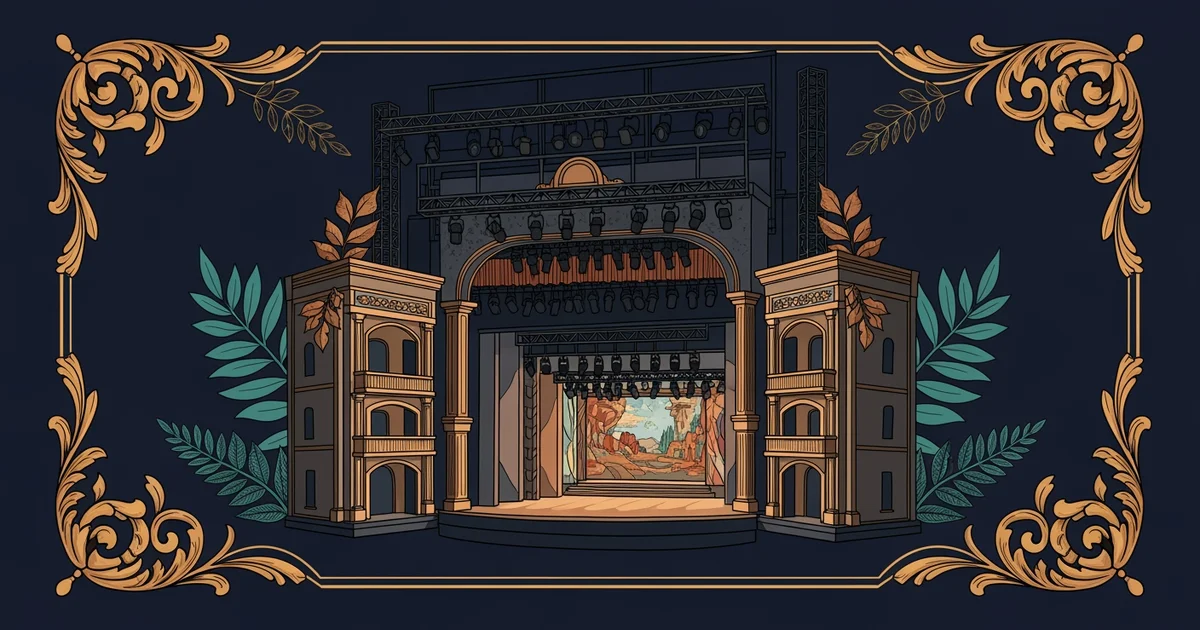
The Role of the Production Designer
Every production designer acts as the primary architect for the visual language of a performance. They start by reading the script multiple times to understand the emotional core of the narrative. Once they grasp the story, they translate abstract themes into physical materials, textures, and structural shapes. Think of the designer as a professional translator who converts spoken words into a visual dialect the audience understands. Just as a language translator ensures meaning is not lost, a designer ensures the tone of the script remains intact. They must manage budgets, coordinate with builders, and ensure every choice serves the story.
Effective design requires constant communication between the creative lead and the technical staff. The director acts as the captain of the ship, charting the course for the overall artistic vision. The designer works alongside this leader, acting as the navigator who maps out the terrain of the stage. If the director wants the play to feel claustrophobic and intense, the designer might choose low ceilings and dark colors. This partnership ensures that the stage environment supports the actors rather than distracting them from their performance. Without this synergy, the set and the story would feel like two separate, unrelated entities.
Key term: Scenography — the art of creating stage environments that integrate scenery, lighting, and props into a single, cohesive visual experience for the audience.
Designers must balance artistic ambition with the harsh realities of physical space and limited resources. They often use a model box to represent the stage at a smaller, manageable scale. This tool allows the creative team to visualize sightlines and movement patterns before any heavy construction begins. It serves as a miniature testing ground where errors are cheap and adjustments are easy to make. By using these models, designers avoid costly mistakes that would be impossible to fix once the actual set is built. This process is similar to an architect building a prototype before constructing a skyscraper.
| Responsibility | Primary Goal | Key Partner |
|---|---|---|
| Script Analysis | Uncover themes | Director |
| Visual Planning | Map the space | Technicians |
| Resource Management | Stay on budget | Producers |
Every decision made by the design team influences how the audience perceives the characters and the plot. A chair is never just a chair; it is a clue about the character's social status or their current emotional state. If the chair is ornate and heavy, it suggests power and rigidity in the person who sits there. If the chair is broken and worn, it tells a story of neglect or poverty without a single line of dialogue. This level of detail transforms a static stage into a living, breathing world. The audience absorbs these visual cues subconsciously, allowing them to feel the story rather than just hearing it.
The designer transforms a script into a physical reality by aligning visual elements with the core emotional goals of the director.
Next, we will explore how color theory shapes the way audiences feel about the spaces designers create.