
Proscenium Stage Layouts
Imagine standing before a massive picture frame that hides the world behind it until the heavy velvet curtains pull back to reveal a distant, separate reality. This is the essence of the proscenium stage, a design that turns every performance into a living painting for the audience to watch from a fixed, safe distance. By creating a clear divide between the actors and the viewers, this layout shapes our entire experience of live storytelling. We do not walk into the scene, but rather observe it as if we were looking through a window into another life.
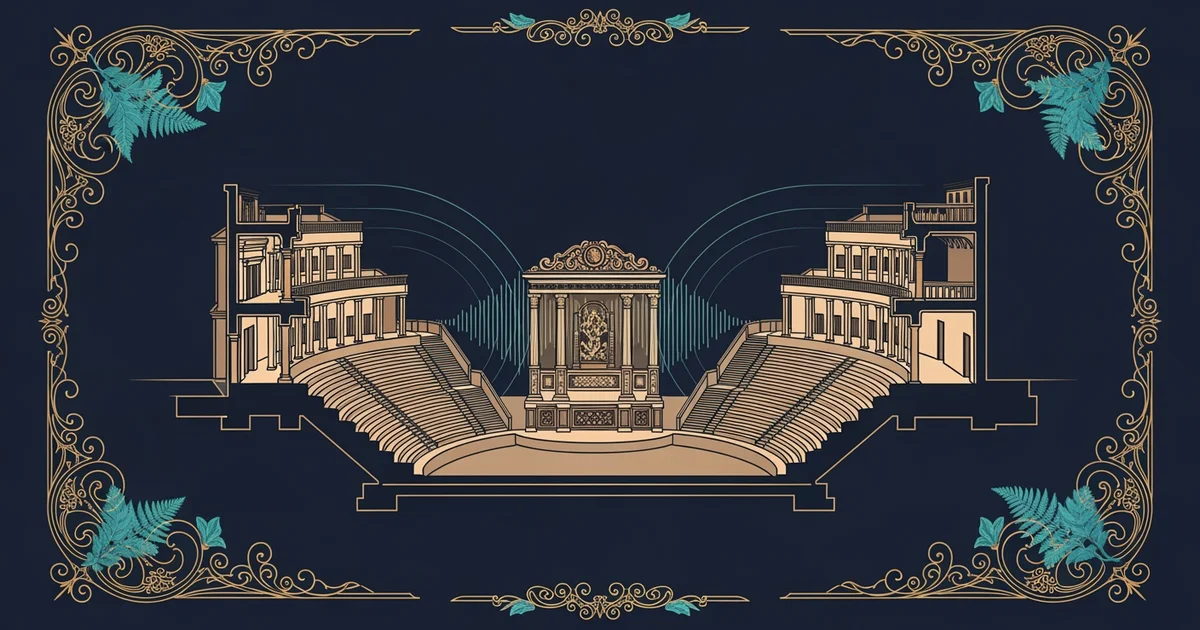
The Architecture of Separation
When we look at a theater, the proscenium arch functions as a solid wall that separates the house from the stage. This structure acts like a giant frame, forcing the audience to focus their eyes on one specific rectangular area. Because the audience sits in front of this frame, they gain a shared perspective on the action. The actors stay within this box, which creates a sense of mystery and depth. Think of this layout like a movie screen that you cannot walk behind. You see everything happening, but you remain a silent observer who cannot interfere with the events unfolding on the stage. This physical barrier ensures that the audience sees exactly what the director wants them to see, while hiding the complex machinery and stagehands that make the magic happen behind the scenes.
Visual Barriers and Sightlines
While the arch provides a clear view, it also creates specific challenges regarding how we perceive space. The most notable issue involves the sightlines, which are the lines of sight between a viewer and the stage. Because the arch is a fixed opening, people sitting on the far sides of the room might miss parts of the action happening at the edges. This creates a visual barrier that limits the stage's effective width. To manage these limits, designers must use the depth of the stage to keep the action visible to everyone. If an actor moves too far to the left or right, they might disappear from view for someone sitting in the front row. This requires careful planning to ensure the stage remains a balanced, visible space for every person in the theater.
Key term: Sightlines — the imaginary lines from a viewer's eyes to the stage that determine how much of the performance space is visible from any given seat.
Beyond the physical limits of the arch, the layout forces a specific type of connection between the performers and the crowd. We can categorize the main features of this design by looking at how they influence the viewer's experience:
- The arch acts as a framing device that directs our attention to the center, ensuring we ignore the distractions happening in the wings.
- The depth of the stage allows for the use of layered scenery, which builds a sense of scale and distance that feels like a real environment.
- The elevated floor helps the audience see over the heads of people in front of them, providing a clear path for their eyes to follow the story.
Managing the Performance Space
To keep the audience focused, directors use the space behind the arch to create depth and atmosphere. By placing items at different distances from the front, they build a 3D world that looks flat from the front but feels wide and deep to the actors. This is similar to how a landscape painter uses foreground, middle ground, and background to make a flat canvas look like a vast, open field. When the actors move through these layers, the audience feels as if they are watching a story unfold in a real location rather than on a wooden platform. The arch keeps this illusion intact by hiding the transition points where the scenery ends and the real theater wall begins. Without this framing effect, the illusion of a separate world would collapse, and the audience would see the theater for what it truly is: a room full of tools and lights.
The proscenium stage uses a fixed architectural frame to distance the audience from the performance, creating a controlled, cinematic experience that relies on visual depth to build a believable world.
The next Station introduces thrust stage dynamics, which changes how actors interact with audiences sitting on three sides of the performance area.