
Thematic Motif Development
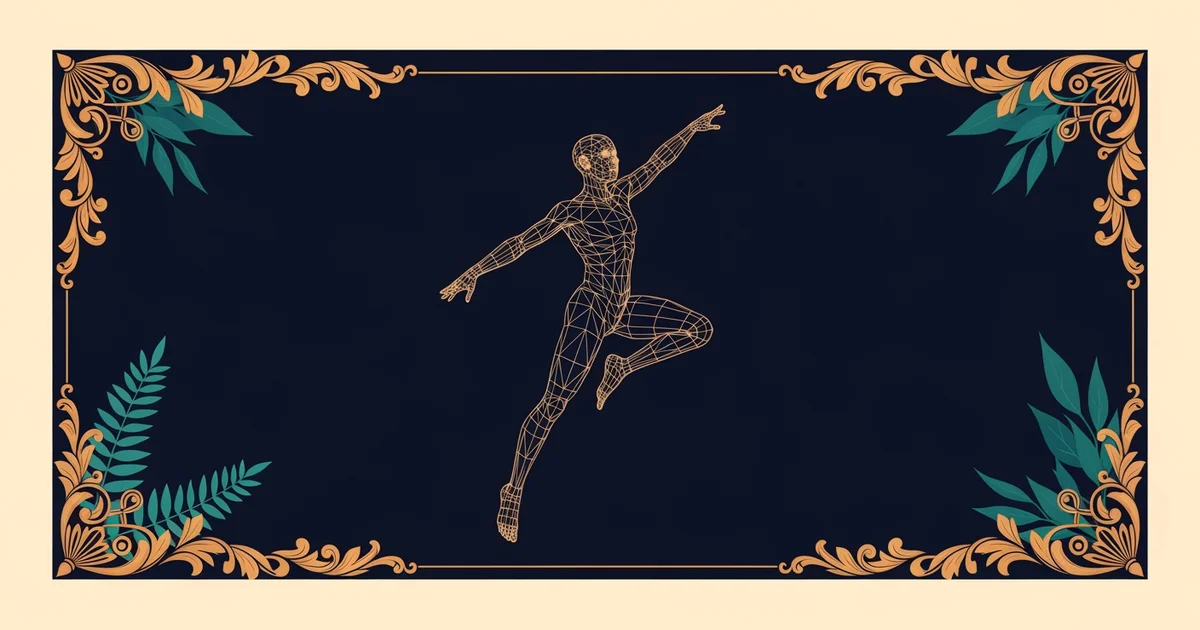
When a choreographer builds a dance, they often start with a small, distinct movement idea that repeats throughout the performance. This specific idea acts as the glue that holds the entire piece together for the audience. Without this recurring anchor, a performance might feel like a collection of random gestures rather than a unified story. Consider a dancer who performs a sharp, angular reach toward the sky in the opening minute of a performance. If that same sharp reach returns during a quiet moment in the middle, the audience immediately recognizes the connection to the start. This intentional repetition creates a sense of familiarity that allows the viewer to track the evolution of the theme over time. You are effectively creating a physical language that the audience learns as they watch.
Understanding the Thematic Motif
A thematic motif serves as a core movement pattern that repeats and changes to communicate deeper meaning. Think of this process like a musician who plays a simple melody on a piano and then changes the speed or volume of that melody later. The audience hears the same notes, but the mood feels different because of the variations you applied. In choreography, you can change the size of the movement, the speed, or even the body part that performs the action. These small shifts keep the audience interested because they recognize the original shape while observing how it reacts to new emotional contexts. By keeping the foundation consistent, you ensure that your artistic message remains clear despite the many visual changes occurring on the stage.
Key term: Thematic motif — a recurring movement pattern that provides structural unity and thematic depth to a dance performance.
To develop a motif effectively, you must balance repetition with variety so the movement does not become boring. If you repeat the exact same gesture too many times without any change, the audience will eventually stop noticing it entirely. You should treat your motif like a flexible piece of clay that you can stretch, twist, or compress based on the needs of the scene. When the dance requires high energy, you might make the motif faster or larger to match the intensity. When the scene demands sadness or reflection, you might perform the same motif slowly or with less force. This technique allows you to maintain a consistent visual identity while expressing a wide range of human emotions throughout the entire show.
Applying Variations in Performance
You can use the following methods to transform your motif while keeping the original meaning intact:
- Augmentation involves making the movement larger or more expansive, which helps emphasize moments of triumph or joy by occupying more space on the stage.
- Diminution requires shrinking the movement into a smaller, more subtle gesture, which is useful when the dancer needs to convey intimacy or internal conflict.
- Retrograde forces the dancer to perform the movement in reverse, which creates a sense of time moving backward or reveals a hidden perspective on the original action.
These variations ensure that your choreography remains dynamic and engaging for the duration of the performance. When you apply these changes, you are essentially telling the audience that the character or the situation has evolved since the last time they saw the motif. This evolution is vital for storytelling, as it shows that the movement is not just a decoration but a living part of the narrative. If you fail to vary the motif, the dance will feel stagnant because the movement will not grow alongside the emotional journey of the performers. Always check that your variations still resemble the original shape so the audience can clearly identify the connection.
When you performed in the previous station, you focused on group patterns and unison to create a strong visual impact. This approach to motif development builds on that foundation by adding a layer of individual meaning through repetition. You are moving from simple group coordination toward complex narrative design where every gesture carries weight. Developing this skill allows you to craft performances that feel both structured and deeply personal for every member of the audience. By mastering these small, deliberate changes, you transform basic physical actions into a powerful tool for visual storytelling that resonates long after the music ends.
A thematic motif provides structural unity by repeating a core movement while using variations to reflect the changing emotional journey of the performance.
The next phase will explore how to design the final climax and resolution to ensure the motif leaves a lasting impression on the audience.