
Level and Plane Variation
Imagine a stage where every performer stays rooted to the center floor, never bending down or reaching toward the rafters. Such a performance would quickly lose its visual interest, as the human eye naturally craves variety in height and spatial orientation. To capture an audience, you must manipulate the physical space by shifting between different elevations and angles. This practice transforms a static scene into a dynamic experience that keeps viewers engaged from start to finish.
Understanding Vertical Levels
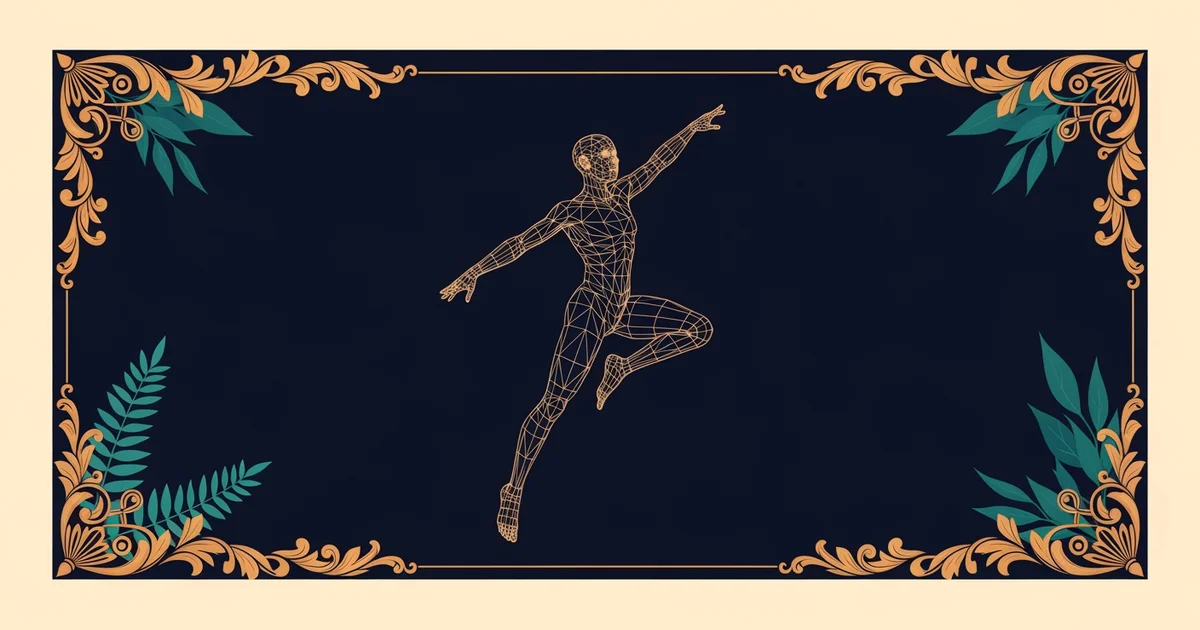
Every movement you perform exists on a specific vertical level, which dictates how the audience perceives your energy and intent. Choreographers categorize these heights into three primary zones: high, middle, and low. High levels involve movements like jumps, reaches, or standing on toes, which often project a sense of power or aspiration. Middle levels cover the standard standing or walking height, representing a grounded, everyday reality. Low levels include sitting, crouching, or floor work, which can signify vulnerability or deep connection to the earth. Think of these levels like the volume control on a stereo system. Just as a song becomes boring if the volume never changes, a dance routine loses its impact if the performer remains at one height for the entire duration. By adjusting your vertical level, you control the emotional intensity of the performance and guide the audience’s focus exactly where you want it to land.
Navigating Spatial Planes
Beyond vertical height, you must consider the spatial planes through which your body moves during a sequence. These planes act like invisible sheets of glass surrounding you, defining the direction and reach of your limbs. Movement on the frontal plane involves side-to-side actions, while the sagittal plane covers forward and backward motion. The transverse plane handles rotations and twists that shift your orientation in space. When you combine these planes with different levels, you create complex patterns that feel intentional rather than random. Consider a painter working on a canvas. The artist does not just use one stroke; they apply vertical lines, horizontal sweeps, and circular motions to build a complete image. You are the artist, and the stage is your canvas. By mixing these planes, you add depth to your performance, ensuring that the movement looks polished from every angle in the theater.
| Level | Physical Action | Emotional Quality |
|---|---|---|
| High | Jumping or reaching | Power and ambition |
| Middle | Standing or walking | Balance and reality |
| Low | Kneeling or floor | Intimacy and weight |
Integrating Levels and Planes
To build a compelling movement phrase, you must consciously transition between these levels and planes rather than drifting between them by accident. Start by selecting a simple gesture, such as extending your arm toward the side. Perform this movement while standing tall, then repeat it while crouching low to the floor. Notice how the same physical action carries a completely different meaning based on your vertical position. You can further refine this by adding a twist through the transverse plane as you move from high to low. This layering process creates a sophisticated visual texture that keeps the performance feeling fresh and unpredictable. Consistency is your primary tool here. You want to ensure that every shift in level serves the story you are telling on stage. If you move to the floor without a clear reason, the audience may feel confused. However, if you drop to the floor to emphasize a moment of exhaustion or discovery, the movement becomes a powerful narrative device that speaks louder than any spoken word could.
Meaningful stage movement relies on the deliberate manipulation of vertical levels and spatial planes to create a dynamic visual narrative.
The next Station introduces movement phrasing, which determines how these individual shifts in level and plane combine to form a cohesive dance composition.