
Transitions and Connectivity
A sudden stop in a performance often feels like a car hitting a brick wall. Dancers must learn to link their movements to avoid this jarring effect.
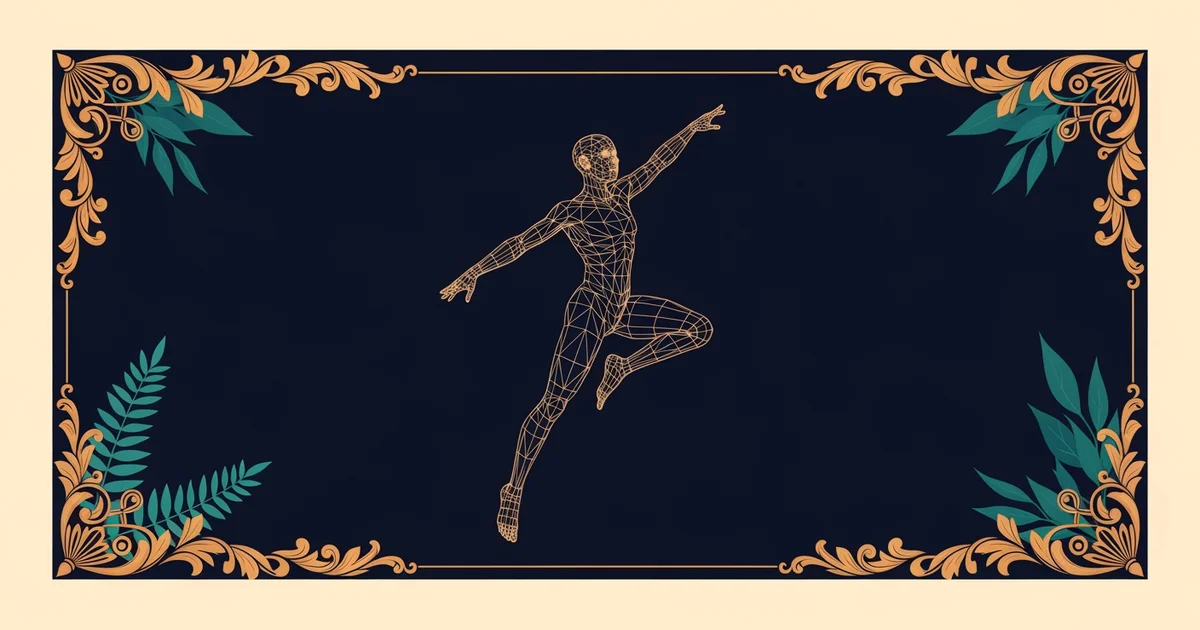
The Logic of Fluid Motion
When we watch a professional dance, we rarely notice the tiny adjustments between major poses. These hidden moments are called transitions, and they serve as the glue for a performance. Think of a transition like a bridge spanning a wide river. Without the bridge, you must stop your journey, climb down the bank, and swim to the other side. This process wastes time and breaks the rhythm of your travel. In dance, a transition allows the body to flow from one shape to the next without losing momentum. When a dancer masters these links, the audience remains focused on the story rather than the physical effort. Every movement should feel like a natural response to the one that came before it. If you treat each movement as an isolated island, your dance will lack a sense of purpose. Focus on how your limbs travel through the air to reach the next destination. This path is just as important as the final pose itself.
Designing Seamless Connections
To create smooth links, you must consider the path your joints take during a shift. A connectivity strategy involves planning the internal energy flow between different body parts. You might begin a movement in your core and let it travel outward to your fingertips. This creates a ripple effect that makes the transition look effortless and intentional. If you simply move from one spot to another, the result often looks robotic or disconnected. Instead, try to keep your weight moving in a steady, continuous stream. Imagine that you are drawing a line in the air with your body. If the line breaks, you have lost your connection. You can use several techniques to keep this flow alive throughout your entire routine:
- Momentum shifting allows the body to use its own weight to carry into the next shape.
- Breath synchronization helps the dancer time the transition with the natural rhythm of the lungs.
- Spatial awareness ensures the dancer moves through the room with a clear, defined purpose.
Each of these techniques helps to bridge the gap between static poses. When you combine them, your dance gains a professional quality that holds the viewer's attention. Practice these shifts slowly at first to ensure your body understands the path it needs to take. Once you build the muscle memory, you can increase the speed while maintaining the same level of grace.
Analyzing Movement Pathways
When you examine the way your body moves, you can categorize your transitions based on how they affect the overall flow of the dance. Some movements are designed to be sharp and sudden, while others are meant to be soft and lingering. The following table outlines how different types of energy impact your ability to connect movements effectively during a performance.
| Transition Type | Energy Style | Primary Function |
|---|---|---|
| Direct Path | High Speed | Rapid change |
| Curved Flow | Sustained | Gentle shift |
| Pause/Hold | Stationary | Dramatic effect |
Using a variety of these styles prevents the dance from becoming repetitive or predictable for the audience. If every transition is the same, the viewer will eventually stop paying close attention to the details. Varying your pathways creates a dynamic experience that keeps the performance feeling fresh. Always look for ways to blend these styles so the transitions feel like a coherent part of the choreography. Your goal is to make the audience forget that you are moving between distinct sections. When the transitions are invisible, the entire piece feels like one long, beautiful sentence told through physical action. This level of mastery requires patience and a deep understanding of how your body occupies the space around you. Keep experimenting with different ways to connect your movements until you find the ones that best suit your personal style.
True mastery of dance occurs when transitions become as expressive and intentional as the primary poses themselves.
But what does it look like in practice when we arrange these individual movements into larger group patterns?