
The Physics of Human Motion
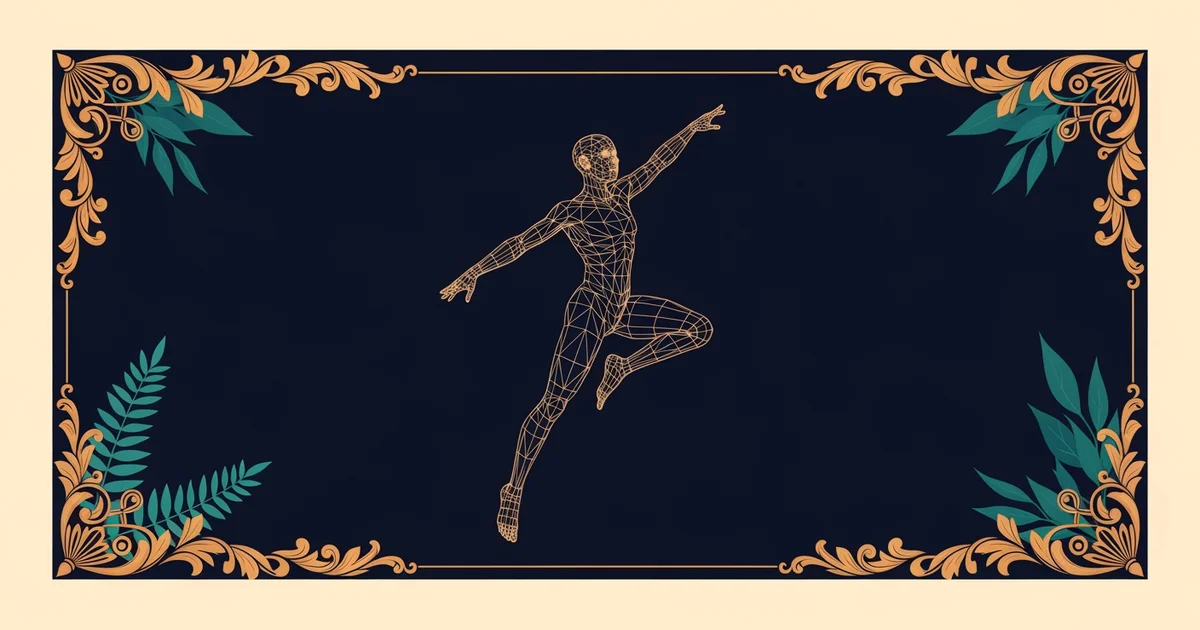
Imagine you are standing on a stage and preparing to leap across the floor. You push your feet against the ground, and your body launches into the air with grace. This simple action relies on invisible forces that govern every movement you make during a performance. Understanding these physical laws allows you to control your body with greater precision and artistic intent. By studying how your muscles interact with the ground, you can transform basic physical actions into powerful expressions of emotion.
The Mechanics of Force and Motion
When you move on stage, you are constantly managing the relationship between your weight and the surface beneath you. Every step involves applying force, which is a push or a pull that changes how your body moves through space. When you press down into the floor, the floor pushes back with an equal amount of energy. This interaction is the fundamental secret behind every jump, turn, and graceful glide you perform. Think of this process like a bank account where you must deposit energy before you can withdraw it for a leap. If you do not push hard enough against the floor, your body will not have the necessary energy to reach the height you desire.
Your body functions as a complex system of levers that amplify the energy generated by your muscles. These levers allow you to move your limbs in ways that create specific visual shapes for the audience. By adjusting the angle of your joints, you change the amount of leverage available for each movement. This mechanical advantage determines whether a gesture looks light and airy or heavy and grounded. You can imagine your limbs like a series of connected pulleys that shift weight to maintain balance during a performance. Mastering these levers helps you translate your inner feelings into visible patterns that an audience can easily recognize and understand.
Balancing Weight and Stability
Maintaining your balance requires a constant awareness of your center of mass during every phase of a dance. Your center of mass is the specific point where your body weight is perfectly balanced in all directions. When you shift this point, your body naturally responds by adjusting your posture to prevent you from falling over. Performers often manipulate this point to create the illusion of weightlessness or to emphasize the tension of a difficult pose. You can practice this by feeling how your weight shifts from your heels to your toes during a simple walk. This awareness turns your body into a responsive instrument that can adapt to any choreographic demand you face.
To keep your movement stable, you must manage several physical factors that influence how your body interacts with gravity:
- Base of support refers to the area beneath your body that touches the floor, which must be wide enough to keep your center of mass steady during complex turns.
- Friction between your footwear and the stage surface provides the grip necessary to push off without slipping, allowing for safer and more controlled movements during fast sequences.
- Momentum is the quantity of motion your body carries when you are in transit, which helps you maintain a flow between different shapes and positions on the stage.
| Movement Type | Primary Physical Focus | Goal of Performance |
|---|---|---|
| Static Pose | Center of Mass | Perfect Stability |
| Dynamic Leap | Ground Force | Maximum Height |
| Smooth Glide | Friction Control | Fluid Transition |
By analyzing these elements, you gain the ability to troubleshoot any movement that feels awkward or difficult to sustain. If a turn feels unstable, you can look at your base of support or your center of mass to find the solution. This technical approach removes the mystery from your performance and gives you a reliable way to improve your craft. You are essentially building a bridge between the laws of science and the art of human expression through your physical practice.
Mastering the physics of your body allows you to translate internal emotions into precise and controlled physical actions on stage.
Having established how force and gravity shape your movement, we will now explore how to use that space effectively in your next performance.