
Metabolic Pathways Defined
Imagine you are trying to assemble a complex machine using a bag of loose parts and a set of instructions. Your body functions in a similar way, taking raw materials from food and turning them into the energy required to keep your heart beating and your brain thinking. This process relies on tiny biological workers that ensure every step happens in the correct order. Without these workers, your body would struggle to process even the simplest meal into usable fuel. Understanding this sequence is vital for grasping how your internal systems maintain balance every single day.
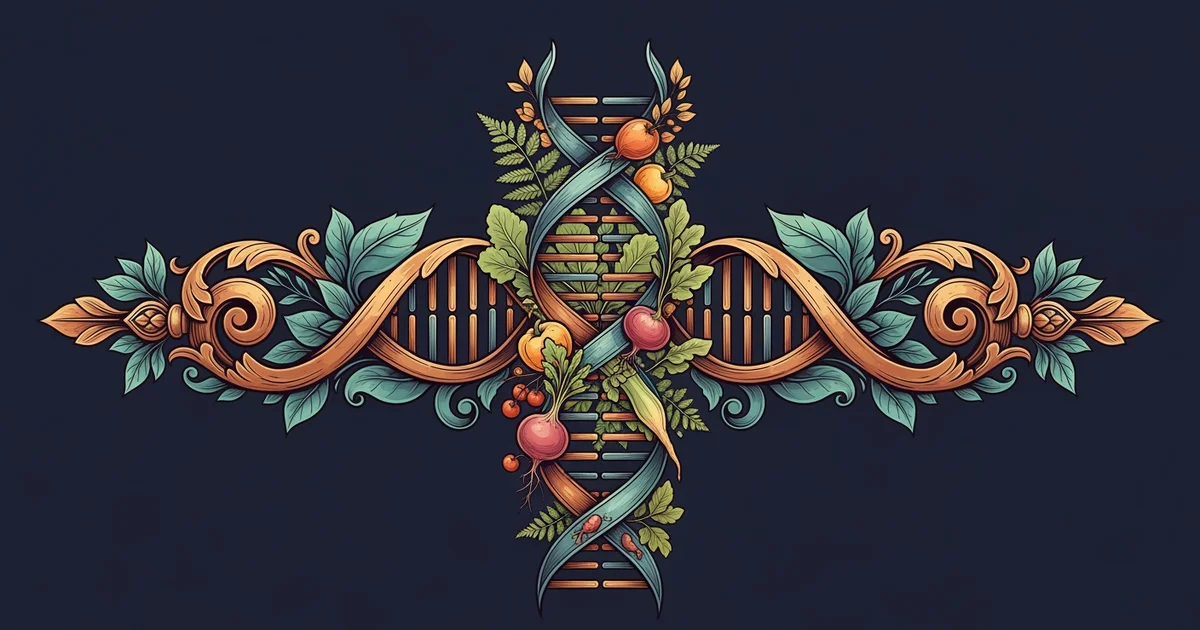
The Role of Enzymes in Chemical Reactions
Inside every cell, complex chemical reactions occur constantly to sustain human life and health. These reactions require specific proteins known as enzymes to act as biological catalysts. Catalysts are substances that speed up chemical processes by lowering the energy needed to start them. Think of an enzyme like a specialized tool in a factory assembly line. Just as a wrench turns a bolt that your fingers cannot move, an enzyme grabs a nutrient molecule and forces it to change shape. This change allows the molecule to break apart or combine with others to form new substances. Without these tools, the chemical reactions inside your cells would happen far too slowly to support your daily needs.
Key term: Enzymes — specialized protein molecules that accelerate chemical reactions within the body by lowering the activation energy required for those processes to occur.
How Cells Process Nutrients Through Pathways
Once enzymes initiate these changes, the body organizes the steps into a structured sequence called a metabolic pathway. A pathway acts like a road map that guides a nutrient through several transformation stages until it reaches its final state. Each step in this journey relies on a unique enzyme that performs one specific task before passing the product to the next stage. If one enzyme in the chain fails to function, the entire process can stop or produce harmful byproducts instead of energy. This organized flow ensures that your body does not waste energy and that nutrients reach the exact locations where they are needed most.
To visualize how these pathways operate, consider the following stages of nutrient processing within your cells:
- The initial intake stage involves breaking down large food molecules into smaller, manageable building blocks that can cross cell membranes.
- The conversion stage utilizes specific enzymes to rearrange the chemical bonds of these building blocks into forms that cells can easily store or burn.
- The final release stage involves moving these transformed molecules into the mitochondria, where they are converted into the primary energy currency used by the body.
The Precision of Cellular Metabolism
Metabolic pathways are not random events because they require extreme precision to remain efficient and safe. Your body regulates these pathways by controlling the amount and activity of enzymes present at any given moment. When you eat a meal, your body senses the incoming nutrients and activates the necessary pathways to process them immediately. This level of control prevents the body from building up too much of one substance while lacking another. By maintaining this delicate balance, your cells ensure that your energy levels remain stable throughout the day. Research suggests that genetic variations can influence how well these enzymes work, which explains why different people process the same foods in unique ways.
| Feature | Function | Importance |
|---|---|---|
| Enzyme | Catalyzes reactions | Speeds up vital cell processes |
| Pathway | Organizes steps | Ensures efficient nutrient conversion |
| Regulator | Controls activity | Maintains balance and prevents waste |
These components work together to form a seamless system of energy production that supports every bodily function. By understanding how these pathways function, you can better appreciate the complex biology that powers your daily life. The next Station introduces nutrient gene interactions, which determines how gene variants change the specific enzymes involved in these metabolic pathways.
Metabolic pathways function as organized chains of enzyme-driven reactions that transform raw food molecules into the specific energy and building blocks required for human survival.
The next Station introduces nutrient gene interactions, which determines how gene variants change the specific enzymes involved in these metabolic pathways.
This content is educational only and does not constitute medical advice. Always consult a qualified healthcare professional for personal health decisions.