
Introduction to Nutrigenomics
Imagine two people eating the exact same meal and experiencing completely different energy levels afterward. One person feels energized and focused, while the other feels sluggish and tired despite consuming identical nutrients. This common scenario highlights that our bodies are not identical machines that process fuel in the same way. Every individual possesses a unique biological blueprint that dictates how they interact with the world around them. Understanding these subtle differences is the primary goal of the field known as nutrigenomics.
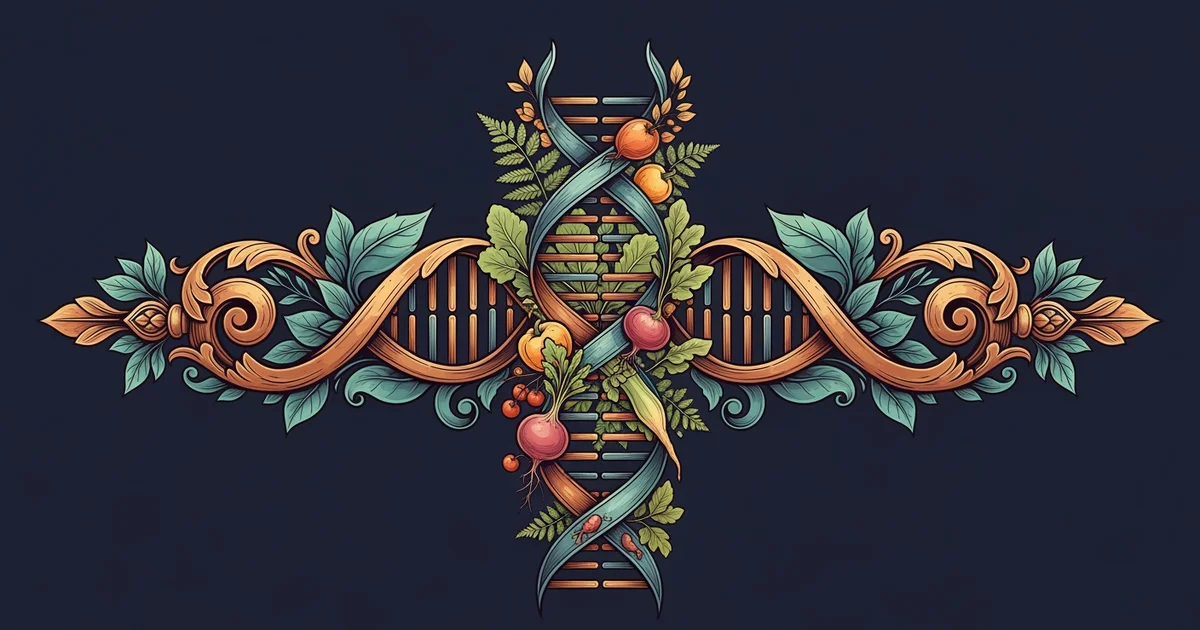
The Genetic Blueprint of Nutrition
At the heart of this field lies the concept of nutrigenomics, which explores how specific components of our diet interact with our genes. Think of your DNA as a complex instruction manual that guides every single process inside your body. Just as two people might read the same book but interpret the characters in very different ways, your genes can influence how your body handles fats, proteins, and vitamins. When you consume food, those nutrients act like chemical signals that can switch certain genes on or off. This dynamic relationship means that the food you eat is actually communicating with your genetic code every single day.
Key term: Nutrigenomics — the scientific study of how the specific nutrients in your food interact with your unique genetic profile to influence health.
Because every person has slight variations in their DNA, the way they process nutrients can vary significantly from one another. For example, some people have genes that make them very efficient at breaking down caffeine, while others might feel jittery after just a small sip. This variation is not a sign of poor health but rather a reflection of your individual biological design. By understanding these genetic differences, people can make more informed choices about the types of fuel that help their bodies perform at their absolute best.
How DNA Guides Dietary Responses
When we look at how DNA influences our health, we must consider how these genetic signals translate into physical outcomes. Your genes provide the blueprint for the proteins that help digest, absorb, and transport the nutrients you eat. If your genetic code contains a specific variation, it might change the speed or efficiency of these biological processes. This is much like a professional kitchen where every chef follows the same recipe, but their individual techniques produce slightly different results on the final plate. Some chefs might be faster at chopping, while others excel at balancing complex flavors, leading to a unique culinary output for every single dish.
To better understand how these differences manifest in daily life, we can categorize how specific genetic variations influence common dietary interactions:
- Metabolic speed variations occur when genes determine how quickly your body converts food into usable energy, which directly impacts how long you feel full after a meal.
- Nutrient absorption efficiency relates to how well your digestive system pulls vitamins from food, meaning some people need more of certain nutrients to reach the same levels.
- Sensitivity levels describe how strongly your body reacts to specific compounds like salt or sugar, which explains why some individuals feel the effects of these items more intensely.
By examining these patterns, researchers have identified that our nutritional needs are as unique as our fingerprints. This knowledge allows for a more personalized approach to health that moves away from one-size-fits-all recommendations. Instead of following generic advice, people can learn to listen to their bodies and align their food choices with their internal requirements. This journey of discovery helps you understand why your body reacts the way it does to the world around you. By the end of this path, you will have a complete understanding of how to tailor your nutritional intake to your own unique genetic needs for long-term wellness.
This content is educational only and does not constitute medical advice. Always consult a qualified healthcare professional for personal health decisions.