
Gene Variant Mechanisms
Imagine you are trying to follow a complex recipe, but your copy has a few typos that change the instructions entirely. Your body operates on a similar set of instructions stored within your genetic code, where tiny variations can alter how you process essential nutrients. These subtle differences determine how effectively your system handles vitamins and minerals from your daily meals. Understanding these mechanisms helps explain why individuals often have very different health responses to the exact same diet.
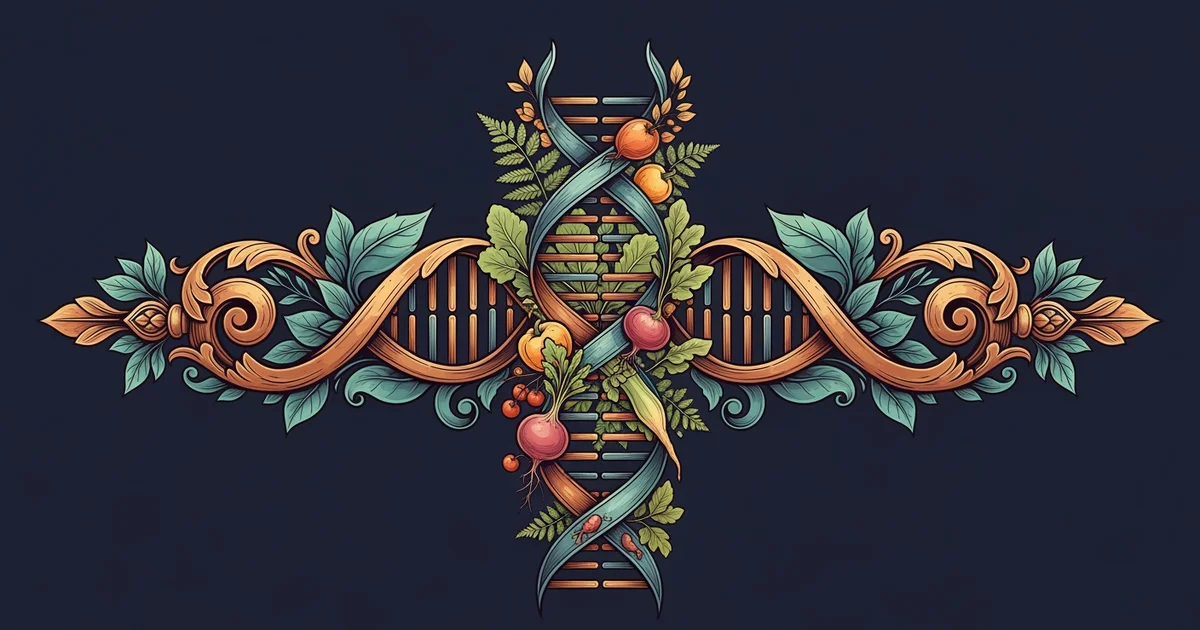
The Nature of Genetic Variation
When scientists look at the human genome, they often find small changes in the DNA sequence known as single nucleotide polymorphisms. These variations occur when a single building block of your genetic code is swapped for a different one. Think of this process like a minor typo in a massive instruction manual that guides your biological functions. While most of these changes have no noticeable impact on your health, some specific variations alter the structure of enzymes. Because enzymes act as the workers that process the food you eat, a structural change can make them work much faster or slower than expected. This shift changes your body's efficiency in converting raw nutrients into usable energy or building blocks for your cells.
Key term: single nucleotide polymorphisms — common variations in DNA where one specific chemical base is replaced by another, potentially altering how your body functions.
These variations act like a toll booth on a busy highway that sometimes operates with reduced staff. If your genetic code creates an enzyme that processes vitamin D at a slower rate, you might need higher amounts of that vitamin to reach optimal health levels. Conversely, some people possess variants that make their metabolic processes highly efficient, allowing them to thrive on lower nutrient intakes. Research suggests that these differences are quite common across the human population, meaning no two people process their food in exactly the same way. By mapping these specific genetic patterns, health professionals can better understand why standard nutritional advice does not always yield the same results for every person.
Mechanisms of Nutrient Metabolism
To visualize how these gene variants influence your health, consider the analogy of a factory assembly line. In this factory, your genes provide the blueprint for the machines that assemble vitamins into forms your body can actually use. If a blueprint contains a variation, the machine might be built with a slightly different shape or size. A machine with a different shape might be less effective at grabbing the raw ingredients, resulting in a slower output of the final product. Just as a factory manager must adjust the supply of raw materials to account for machine speed, your body may need a different intake of specific nutrients to compensate for these subtle genetic shifts.
Individuals often carry different combinations of these variations, which creates a unique metabolic profile for every person. The following table illustrates how different genetic variants might influence the processing of three common vitamins:
| Nutrient | Enzyme Role | Impact of Variant | Resulting Need |
|---|---|---|---|
| Vitamin B12 | Cellular repair | Slower conversion | Higher intake |
| Vitamin D | Bone health | Reduced absorption | Increased supply |
| Folate | DNA synthesis | Lower activation | Specific forms |
These variations do not mean your body is broken, but rather that it has a unique operational speed. By identifying these patterns, people can make informed choices about their food intake to better support their specific biological requirements. Evidence shows that knowing your genetic tendencies allows for a more personalized approach to nutrition that moves beyond generic dietary guidelines. This shift toward precision helps ensure that your internal systems receive exactly what they need to function at their highest capacity.
Genetic variations act as unique biological filters that modify how efficiently your body converts dietary nutrients into the specific compounds required for optimal health.
The next Station introduces metabolic pathways, which determine how these enzymes interact with your food to fuel your body. This content is educational only and does not constitute medical advice. Always consult a qualified healthcare professional for personal health decisions.