
Autoimmune Disorder Basics
In 2012, a major global bank experienced a catastrophic internal failure when its automated security software flagged its own employees as hostile intruders. Instead of blocking external threats, the system locked out legitimate staff members and shut down essential internal servers for several days. This digital disaster mirrors the biological chaos that occurs when the human body loses its ability to distinguish between harmless personal cells and dangerous foreign invaders. This is the failure of self-tolerance, which serves as the primary mechanism behind the complex health conditions known as autoimmune disorders.
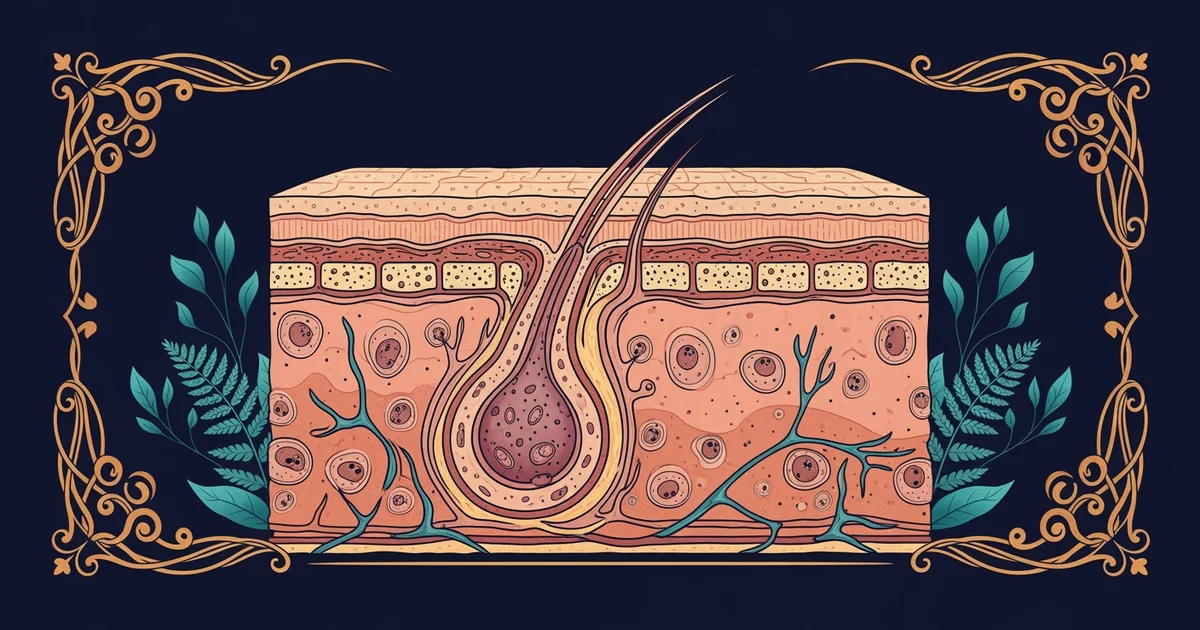
The Mechanism of Self-Tolerance
Under normal conditions, the immune system performs a constant patrol to identify and neutralize threats like bacteria or viruses. To prevent accidental damage, the body employs a rigorous training program for immune cells during their development in the thymus and bone marrow. These cells learn to recognize the unique molecular signatures of the body’s own tissues, which are often called self-antigens. When this training process works correctly, immune cells ignore healthy tissues while remaining ready to attack any foreign materials that enter the bloodstream. This essential balance allows the body to maintain internal harmony while defending against external pathogens.
Key term: Self-tolerance — the immune system capability to identify and ignore the body's own healthy tissues while targeting external threats.
When this protective system fails, the immune cells begin to perceive healthy body parts as dangerous pathogens that require immediate destruction. This misidentification triggers an inflammatory response that damages the very organs the immune system is supposed to protect. Researchers often compare this process to a malfunctioning security guard who begins to view residents of an apartment building as intruders. Because the guard has been trained to use force against threats, the residents suffer unnecessary harm from someone who was originally hired to keep them safe. This internal conflict creates chronic health challenges that persist because the body cannot easily turn off its own defense mechanisms.
Drivers of Immune Misidentification
Many factors contribute to why the immune system might suddenly lose its ability to recognize self-antigens correctly. While the exact causes remain a subject of active study, evidence suggests that a combination of genetic predispositions and environmental triggers often plays a significant role. For example, certain viral infections might leave behind molecular patterns that look similar to human proteins, causing the immune system to get confused during its recovery phase. This phenomenon, known as molecular mimicry, shows how an external event can set the stage for a long-term internal error where the body accidentally targets itself.
| Factor Type | Example Mechanism | Impact on Immunity |
|---|---|---|
| Genetic | Inherited traits | Increased sensitivity |
| Environmental | Viral exposure | Confusion of markers |
| Hormonal | Signaling shifts | Altered cell activity |
These factors interact in complex ways to influence how the immune system behaves over time. It is important to remember that these disorders are not caused by a single event but rather by a breakdown in the delicate regulatory pathways that keep the body healthy. The following points highlight how these internal systems can shift:
- Genetic markers can make the immune cells more reactive to subtle changes in protein structures, lowering the threshold for an accidental attack on healthy organs.
- Environmental stressors can create inflammation that forces immune cells into a state of high alert, increasing the likelihood that they mistake normal cell signals for danger.
- Regulatory cells that normally act as a braking system for the immune response may become less effective, allowing aggressive attacks to continue without a proper stop signal.
Understanding these mechanisms helps scientists develop strategies to manage the inflammation that arises when self-tolerance is lost. By focusing on the pathways that regulate immune activity, researchers hope to find ways to restore balance without suppressing the entire defense system. This remains one of the most challenging areas of modern medicine because the immune system is vital for daily survival. Finding the right balance between protection and regulation is the key to managing these conditions effectively.
Autoimmune disorders occur when the immune system loses its ability to recognize healthy tissue and mistakenly initiates an attack against the body.
But this model breaks down when we consider how specific environmental triggers can selectively activate these dormant immune errors in some individuals while leaving others unaffected. This content is educational only and does not constitute medical advice. Always consult a qualified healthcare professional for personal health decisions.