
Lymphatic System Functions
Imagine a bustling city that relies on a complex network of highways to keep its economy moving and its citizens safe. The human body operates with a similar system of highways and checkpoints known as the lymphatic system, which ensures that fluid balance stays stable while protecting against hidden threats. This vast internal network acts like a waste management and security service, filtering out harmful particles before they can cause widespread damage to the body. Without this constant surveillance, the body would struggle to manage the buildup of waste or identify invading pathogens that sneak past the initial surface barriers.
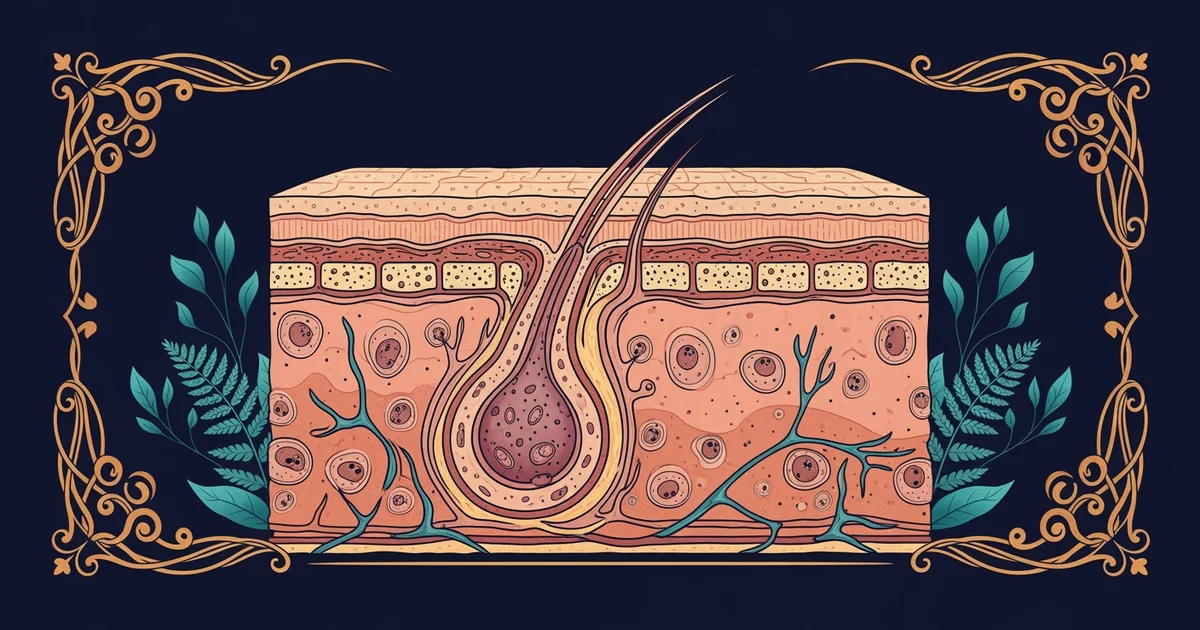
The Anatomy of Immune Surveillance
The primary organs responsible for this surveillance are small, bean-shaped structures called lymph nodes that act as vital filter stations. These nodes are strategically positioned throughout the body to monitor the fluid that travels through lymphatic vessels. When fluid flows through these nodes, it passes through specialized chambers filled with immune cells that are ready to spring into action. Think of these nodes as security checkpoints at a major border crossing where every traveler must show identification to gain entry. Just as guards inspect vehicles for prohibited items, the cells within these nodes inspect the fluid for signs of unwanted invaders like viruses or bacteria.
Key term: Lymph nodes — small, bean-shaped immune organs that act as checkpoints to filter fluid and house immune cells.
These nodes are not just static filters, but dynamic hubs where immune cells gather to coordinate their defensive strategies. When a threat is detected, the nodes become active centers of communication, signaling other parts of the system to prepare for a larger response. The density of these cells ensures that even small amounts of foreign material can be identified quickly. This process is essential for maintaining systemic health, as it prevents local infections from spreading into the bloodstream and causing severe illness throughout the entire body.
Circulation and Systemic Defense
Beyond simple filtration, these nodes serve as crucial meeting points for the cells that circulate through the body to maintain defense. The lymphatic fluid carries white blood cells, which are the primary defenders against infection, allowing them to travel between the nodes and the blood. This constant movement is essential because it ensures that immune cells are always positioned where they are needed most. If a specific area of the body experiences an infection, the nodes in that region will often swell as they work harder to process the increased load of pathogens and debris.
| Feature | Function | Importance |
|---|---|---|
| Lymph Nodes | Filtering fluid | Traps pathogens |
| Lymph Vessels | Transporting fluid | Connects distant sites |
| Immune Cells | Identifying threats | Coordinates response |
This table highlights how the different components of the system work together to maintain a secure environment. The vessels act as the roads, while the nodes function as the sorting centers where the actual work of identification occurs. By linking these components, the body creates a unified defense that is far more effective than isolated cells working on their own. This interconnected design allows for a rapid, coordinated response that can adapt to many different types of biological challenges encountered in daily life.
The effectiveness of this system depends on the steady flow of fluid, which carries information and cells to every part of the network. When fluid circulation slows down, the efficiency of immune surveillance also decreases, which can leave the body vulnerable to lingering issues. Maintaining healthy circulation is therefore a fundamental requirement for a robust immune system that can respond to threats with speed and precision. By integrating these processes, the body ensures that it remains protected against the constant stream of environmental challenges it faces every single day.
The lymphatic system acts as a sophisticated security network that uses nodes to filter fluid and coordinate the movement of immune cells to defend the body.
The next Station introduces antibody production mechanics, which determines how the immune system creates specific weapons to neutralize the threats identified by the lymph nodes.
This content is educational only and does not constitute medical advice. Always consult a qualified healthcare professional for personal health decisions.