
The Innate Immune System
Imagine a high-security building where the front doors lock automatically the moment a stranger touches the glass. Your body possesses a similar system that works around the clock to stop threats before they can enter your vital organs. This rapid response mechanism acts as the first line of defense against any foreign object that attempts to invade your internal space. Without this essential layer of protection, your body would struggle to manage the constant exposure to germs found in the outside environment.
The Function of Immediate Defense
The innate immune system serves as the primary guardian that reacts instantly to potential danger signals. Unlike other parts of the immune response that require time to study a threat, this system recognizes generic patterns common to many harmful invaders. It functions much like a neighborhood watch program that monitors all movement and alerts the authorities when a suspicious person appears on the street. This process ensures that your body does not wait for a specific identification before it begins to limit the spread of an infection. Because it acts immediately, this system prevents many minor exposures from turning into serious health issues for the average person.
Key term: Innate immune system — the collection of non-specific defense mechanisms that provide an immediate response to foreign invaders upon their entry into the body.
This rapid response relies on physical barriers and specialized cells that patrol your tissues to maintain internal order. When these cells detect a foreign signature, they trigger a series of actions to isolate and neutralize the intruder. This process is essential because it buys your body the time needed to prepare a more targeted and complex counterattack. By stopping the initial growth of an infection, your body stays healthy while it handles the daily challenges posed by the environment.
Mechanisms of Rapid Protection
To understand how this system maintains safety, consider how different components work together to form a wall against invaders. The body uses several distinct methods to ensure that harmful elements are stopped before they can reach critical systems. These mechanisms are organized to provide both structural and active forms of protection for your internal health.
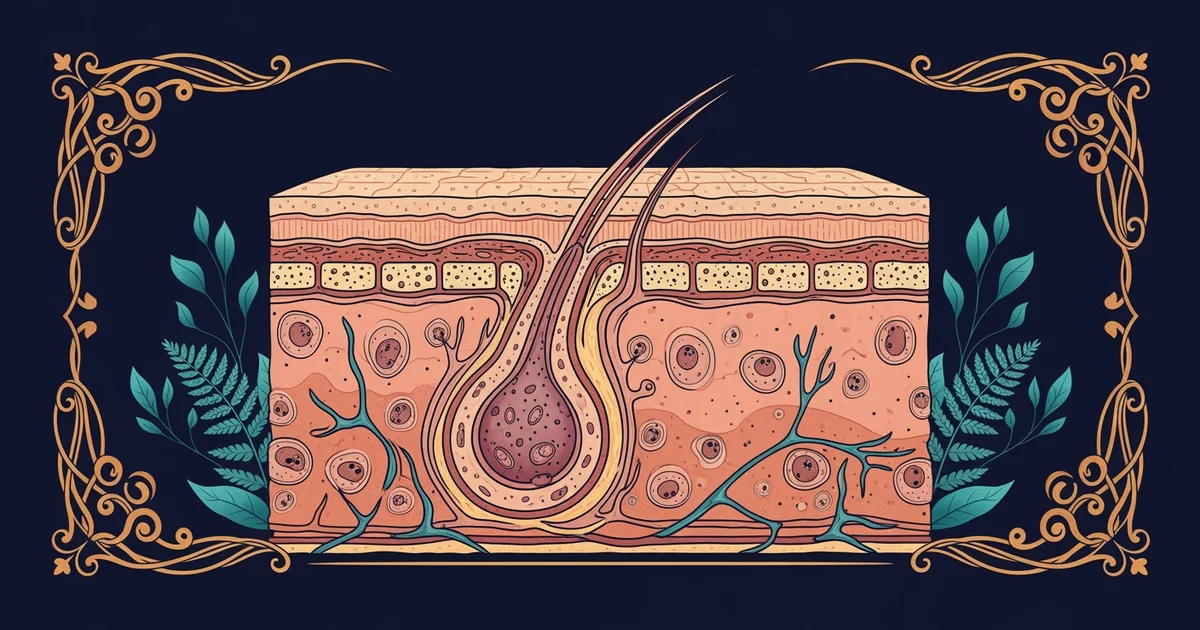
- Physical barriers act as the first wall by blocking the entry of germs through skin and mucous membranes that trap particles before they can penetrate deeper tissues.
- Chemical defenses provide a secondary layer by using enzymes and acidic environments to break down the invaders that manage to bypass the initial physical barriers.
- Cellular responses involve specialized white blood cells that move to the site of an infection to consume or destroy the invaders through direct contact and chemical signals.
These methods are highly effective because they do not rely on learning about a specific threat. Instead, they identify general features of invaders and treat them all as unwanted guests that must be removed immediately. This generalized approach is the secret to why you remain healthy even when you encounter hundreds of germs throughout your day. The efficiency of these mechanisms is vital for preventing systemic issues that could arise if pathogens were allowed to replicate unchecked. By maintaining this constant state of readiness, your body ensures that it remains protected from the vast majority of environmental threats that you face every single day.
Consider how the system handles a small cut on your finger where germs might attempt to enter. The area quickly becomes red and warm as the body rushes fluids and cells to the site of the breach. This reaction is a clear sign that your innate defenses are working to isolate the area and clean up any contaminants. This process is so effective that most minor injuries heal without you ever knowing that your body fought off a potential infection. The speed of this reaction is the main reason why your body is so good at keeping you safe and healthy.
The innate immune system provides an immediate, non-specific shield that prevents most environmental threats from causing significant harm to your body.
Now that you understand how your body reacts to early threats, we will explore the specialized white blood cells that carry out these complex defensive tasks.
This content is educational only and does not constitute medical advice. Always consult a qualified healthcare professional for personal health decisions.