
The Body's First Defense Lines
Imagine a bustling city that relies on heavy stone walls and guarded gates to stop intruders. Your body functions in this exact same way every single day to stay safe. These internal security systems work constantly to keep harmful germs from entering your vital spaces. Without these physical barriers, the internal environment would face constant threats from the outside world. This essential protection serves as the very first line of defense for every living human. Understanding how these layers function provides a clear view of your own biological survival strategy.
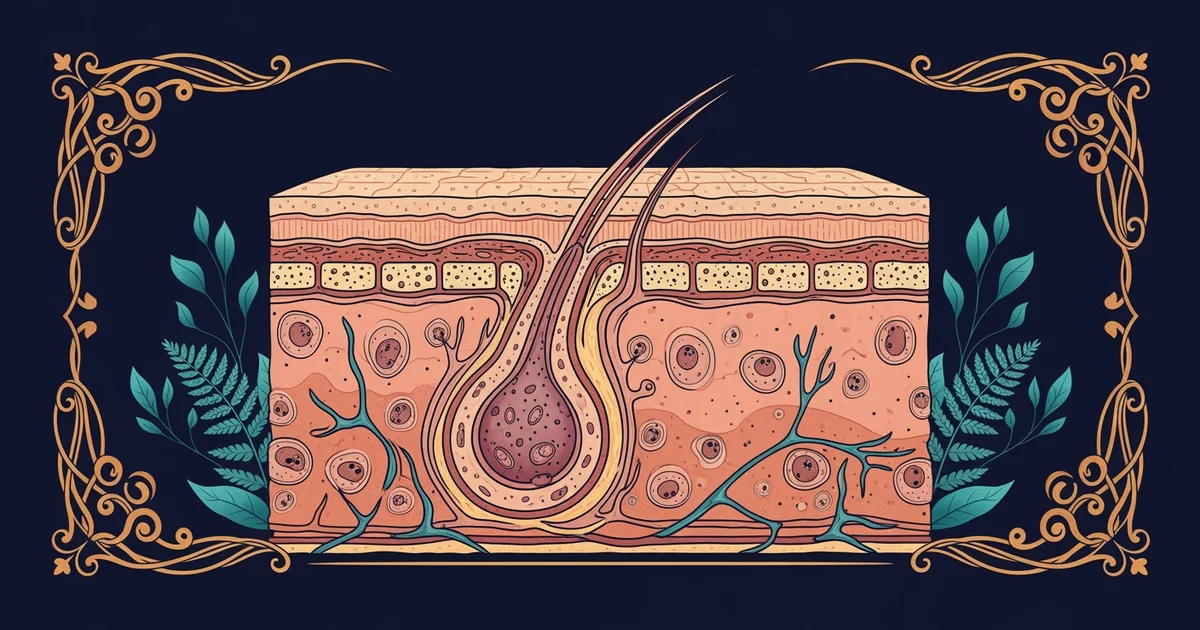
The Role of Physical Barriers
Your skin serves as the primary wall that protects the entire body from external harm. It acts like a thick, flexible shield that wraps around your muscles and internal organs. When the surface remains unbroken, it effectively blocks most bacteria and viruses from entering deep tissues. Specialized cells within the skin constantly renew themselves to patch over any tiny gaps or scratches. This rapid repair process ensures that the protective barrier stays strong against daily wear and tear. Maintaining this outer layer is the most effective way to keep your biological city secure.
Key term: Pathogens — tiny organisms like viruses or bacteria that cause disease by invading the body.
Beyond the skin, your body uses sticky traps to catch invaders before they travel further. These areas are known as mucous membranes and they line your nose, mouth, and digestive tract. They produce a thick, slippery substance that traps dust and pathogens like flypaper catches small insects. Once the invaders get stuck in this material, they cannot easily reach deeper cells or tissues. Your body then moves this material out of the system through natural cleaning processes like coughing. This simple mechanical action prevents many potential infections from ever taking hold in your system.
Security Checkpoints and Maintenance
Maintaining these defenses requires a balance of chemical and physical actions to stay truly effective. The body uses specific methods to ensure that these gates remain closed to unwanted visitors. Consider the following ways your system reinforces its security checkpoints to keep you feeling healthy:
- Acidic surfaces on the skin create a harsh environment where many harmful bacteria cannot survive.
- Natural oils produced by the skin act as a waterproof barrier to keep tissues hydrated.
- Cilia in the respiratory tract wave back and forth to push trapped particles toward exits.
- Chemical enzymes in saliva work to break down the walls of incoming bacterial threats quickly.
| Defense Mechanism | Primary Function | Location in Body |
|---|---|---|
| Skin Layer | Physical blocking | Outer surface |
| Mucous Lining | Trapping debris | Internal tracts |
| Acidic Secretions | Inhibiting growth | Skin and stomach |
These mechanisms demonstrate how your body acts as a smart city with active security patrols. Every part of this system works together to ensure that you remain protected from harm. By the time you finish this entire learning path, you will understand the full sequence of your body’s complex immune response. This content is educational only and does not constitute medical advice. Always consult a qualified healthcare professional for personal health decisions.
Your body protects itself by using physical walls and sticky traps to block invaders before they enter.
By mastering these first lines of defense, you are now ready to explore how the body identifies foreign invaders.