
Vaccination and Immunity
When a small town creates a fire drill, they prepare the local department for real emergencies before a fire ever starts. This practice run mimics the stress of a real blaze without putting the entire community in actual danger. Much like this drill, the human body uses a specific process to prepare its defenses against harmful biological threats. This is the core principle of vaccination, which trains the immune system to recognize and neutralize dangerous invaders before they cause illness. By introducing a harmless piece of a virus or bacteria, the body practices its response in a controlled environment. This ensures that the immune system is ready if it ever faces the real, active threat later on.
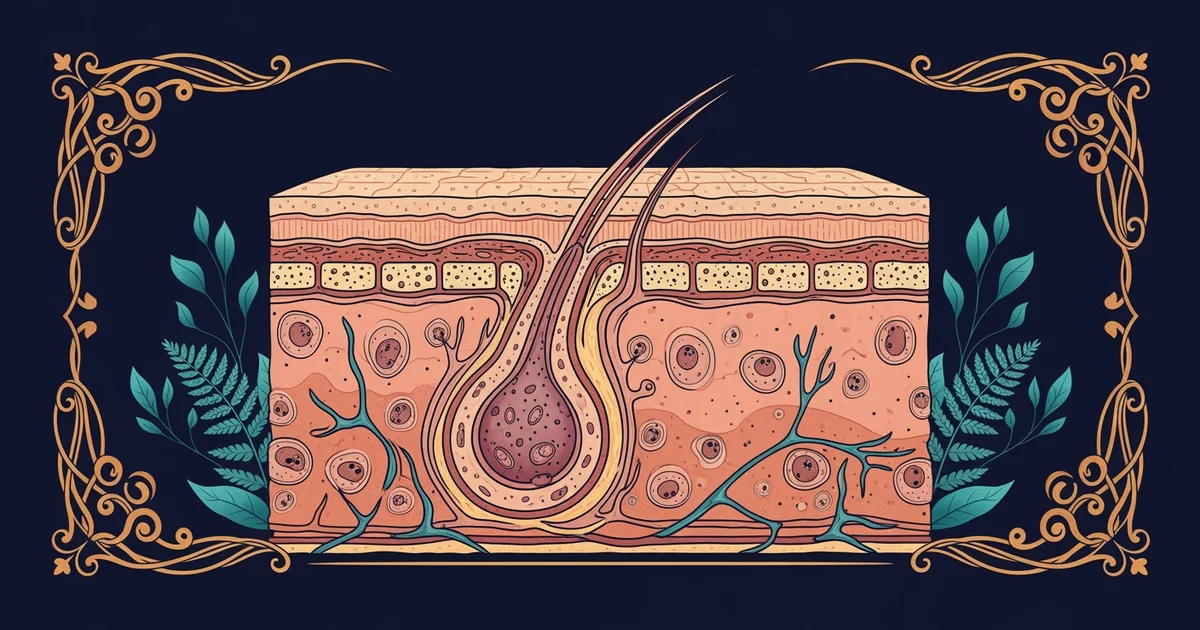
Training the Immune System
When the immune system encounters a foreign substance, it begins a complex process of identification and memory creation. Vaccines act as a safe, simulated version of a primary infection, which was explored in Station 10. By presenting the body with a weakened or dead version of a pathogen, the vaccine triggers the production of specialized cells. These cells act like a security team that studies a suspect's profile to recognize them in the future. Because the vaccine is not a live, dangerous virus, it does not cause the actual disease it is designed to prevent. Instead, it provides the immune system with the critical data needed to build long-term protection. This process of exposure is essential for creating lasting immunity without the risk of severe sickness.
Key term: Antigen — a specific molecule or part of a pathogen that the immune system recognizes as a foreign invader during an infection.
Once the immune system identifies the antigen within the vaccine, it begins to create memory cells. These cells remain in the body for years, acting as a permanent record of the threat. If the actual, dangerous version of the pathogen ever enters the body, these memory cells detect it immediately. They initiate a rapid, massive response that destroys the invader before it can replicate or cause harm. This speed is the true advantage of vaccination, as it bypasses the slow, initial learning phase that often leads to illness. Without this prior training, the body would have to start from scratch every time it faced a new invader.
Mechanisms of Protection
Different types of vaccines use various methods to trigger this life-saving immune response in the body. Some vaccines use a piece of genetic material, while others use a deactivated protein to signal the immune system. Regardless of the specific method, the goal remains the same for every single vaccine approach. The following list outlines the primary ways these medical tools help the body build its defenses:
- Inactivated vaccines use a killed version of the germ to safely train the immune system to recognize the threat.
- Subunit vaccines use only specific pieces of the germ, like proteins, to trigger a strong and targeted immune response.
- Messenger RNA vaccines provide instructions to cells, teaching them how to make a protein that sparks an immune reaction.
- Toxoid vaccines target the harmful chemicals produced by bacteria rather than the bacteria themselves to prevent severe toxins.
These diverse approaches ensure that scientists can tailor the immune response to match the specific nature of each threat. By understanding how different pathogens interact with human cells, researchers develop vaccines that maximize safety and effectiveness for everyone. This scientific precision allows the body to maintain its health while minimizing the chances of encountering a dangerous, unknown virus.
| Vaccine Type | Primary Method | Target Component |
|---|---|---|
| Inactivated | Dead pathogen | Entire germ |
| Subunit | Isolated part | Specific protein |
| mRNA | Genetic code | Protein creation |
This table demonstrates that while the delivery methods vary, the end result is always a highly trained immune system. By comparing these methods, we can see how modern medicine adapts to different types of biological challenges. The immune system remains the ultimate tool for health, and vaccines simply provide it with the necessary, high-quality information to succeed in its protective mission.
Vaccination functions as a controlled rehearsal for the immune system, allowing it to develop memory and rapid response capabilities without the dangers of a real infection.
But this model of individual protection faces significant challenges when pathogens evolve rapidly or when large portions of a population remain vulnerable to transmission.
This content is educational only and does not constitute medical advice. Always consult a qualified healthcare professional for personal health decisions.