
Language Preservation Tech
In 2012, the last fluent speaker of the Bo language passed away, taking thousands of years of unique cultural knowledge into silence forever. This tragic loss serves as a stark reminder that when a language vanishes, we lose a distinct way of perceiving the world. Digital preservation efforts now attempt to capture these fading voices before they disappear from our global human record. These tools act as a final safety net for endangered tongues that lack formal written systems or widespread academic support. We must treat these digital archives as living repositories rather than static museum displays to ensure they survive for future generations.
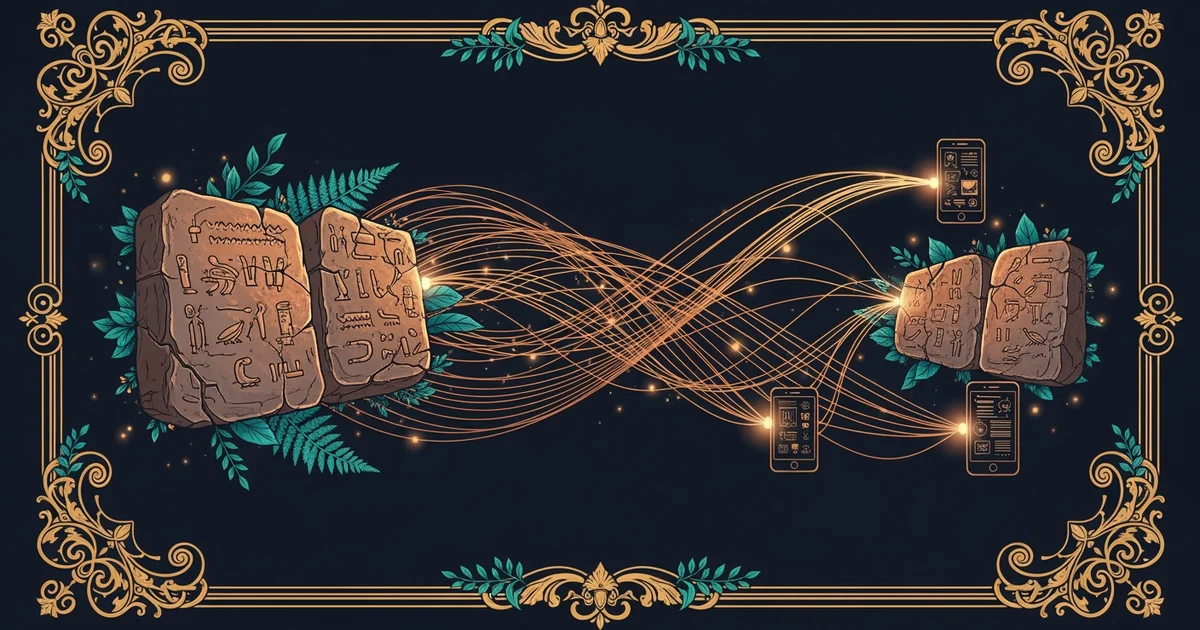
Digital Tools for Linguistic Survival
Modern technology provides various ways to record and store the nuances of endangered speech patterns. Linguistic archiving involves using high-fidelity audio equipment to capture the precise phonetics of native speakers in their natural context. These recordings often serve as the primary data source for machine learning models designed to translate or teach the language. By converting oral traditions into digital files, researchers create a stable bridge between the past and the digital future. This process functions much like a high-stakes insurance policy for cultural heritage, where the premium paid is the time spent documenting every unique vowel and consonant.
Key term: Linguistic archiving — the systematic collection and digital storage of audio, video, and textual data to preserve the unique structure and vocabulary of a language.
Technology also allows for the creation of interactive platforms that make learning these languages accessible to younger generations. Many communities now use mobile applications to gamify the acquisition of vocabulary and grammar rules. These platforms help bridge the gap between elders who hold the knowledge and youth who prefer digital engagement. Without such tools, the transmission of cultural identity would likely stop within a single generation. The following table highlights common methods used in these preservation projects:
| Preservation Method | Primary Goal | Digital Tool Used |
|---|---|---|
| Oral Transcription | Text records | Speech-to-text software |
| Audio Archiving | Sound capture | High-fidelity recorders |
| Interactive Apps | Skill building | Mobile software suites |
Challenges in Language Documentation
While digital tools offer immense potential, they face significant hurdles regarding data quality and community involvement. Community-led documentation ensures that the speakers themselves control how their language is represented in the digital sphere. If outsiders control the data, the resulting tools often fail to reflect the true spirit or social context of the speech. Effective preservation requires a partnership where technology supports local efforts rather than replacing them with external standards. These projects must prioritize long-term accessibility to prevent the data from becoming trapped in obsolete file formats that no one can open.
- Digital recording software allows linguists to capture complex tonal variations that standard writing systems often miss during the initial documentation phases.
- Cloud storage platforms provide secure locations for storing massive amounts of cultural data that would otherwise be lost in physical form.
- Artificial intelligence tools help identify patterns in syntax and morphology that might take human researchers decades to map out by hand alone.
These digital initiatives represent a shift from passive observation to active participation in saving the diversity of human speech. By utilizing these advanced frameworks, we can ensure that the unique logic and beauty of every language remain available for study. We must continue to refine these methods to address the specific needs of each community we aim to support. Every byte of data saved is a triumph against the erasure of human history and cultural identity.
Digital preservation tools function as essential bridges that transform fragile oral traditions into durable data sets for future generations to study and practice.
But this digital model faces a critical limitation when the original speakers are no longer available to verify the accuracy of the stored data.