
Digital Dialects and Identity
When you enter a new online forum, you often notice that members use specific shorthand to signal their belonging. These unique communication patterns act like a secret handshake that confirms you are part of the group. Just as a neighborhood develops its own slang, digital spaces foster digital dialects that define how people connect and interact. These linguistic markers do more than just save time when typing on a screen. They serve as a primary tool for building community identity and establishing boundaries between different online populations.
The Anatomy of Online Speech
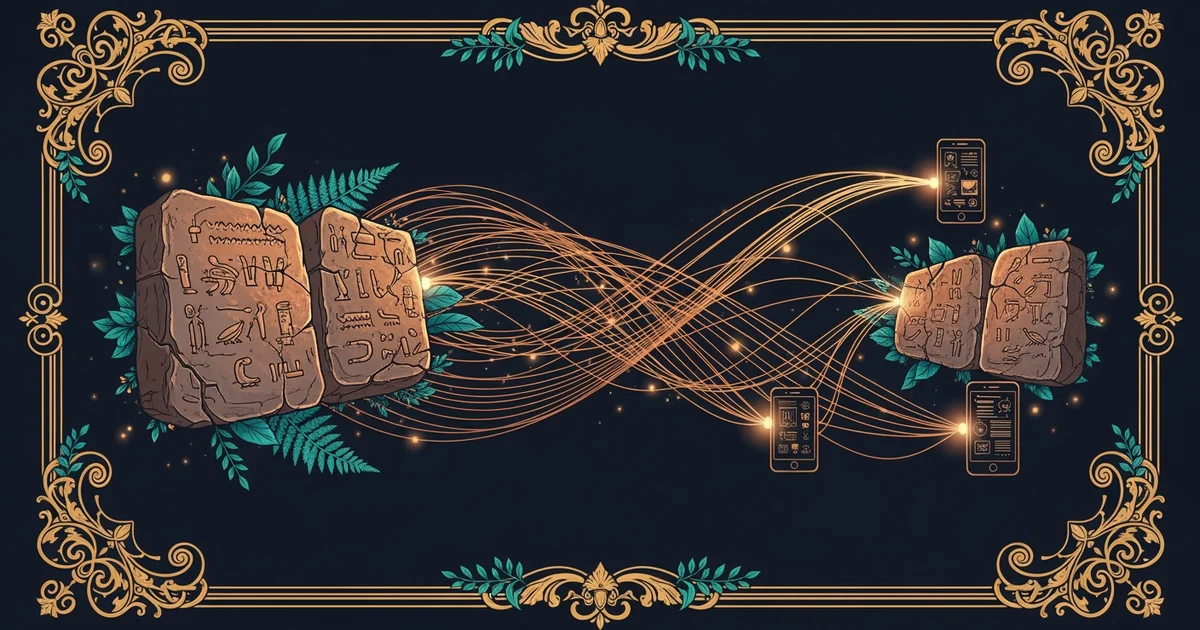
Digital dialects emerge because internet users want to communicate efficiently while showing their cultural alignment with others. This process involves creating new vocabulary, unique syntax, or specific emoji usage that outsiders might find difficult to interpret. Imagine a currency system used only within a specific theme park where the tokens have no value once you leave the gates. Digital dialects function exactly like this closed economic system. They hold immense value for those inside the community because they facilitate rapid bonding. However, these same tokens become meaningless or confusing when used in a different social context or platform.
Key term: Digital dialect — a specialized style of communication, including unique vocabulary and grammar, that develops within a specific online community to foster group identity.
These dialects are not random accidents but are carefully curated by the members of the community over time. When a user adopts the local jargon, they are essentially signaling that they have spent enough time in the space to learn the rules. This performance of language helps to filter out those who do not belong. It creates a sense of safety and exclusivity that many users crave in a vast, anonymous digital landscape. The language evolves quickly because the internet changes every single day, forcing users to adapt their speech to stay current.
Markers of Community Identity
To understand how these dialects function, we must look at the specific ways they manifest across different platforms. Most communities rely on a mix of shared abbreviations, platform-specific memes, and unique linguistic constraints that shape every post. These markers serve as structural pillars that hold the community identity together. Without these consistent linguistic habits, the group might lose its unique character and blend into the general internet noise.
Consider the common linguistic markers that help define a specific community:
- Shared terminology allows members to discuss complex ideas quickly without needing to provide long explanations for newcomers.
- Unique punctuation or capitalization patterns signal a specific tone that helps convey emotions which are otherwise lost in text.
- Platform-specific shorthand reduces the time needed to type, allowing for faster exchanges that keep the conversation flow moving.
By using these markers, users maintain the boundaries of their group while ensuring that all members feel a sense of belonging. The language itself becomes a living record of the group history and its changing interests. When a new term gains popularity, it often signifies a shift in what the community values or how it perceives the world. This ongoing evolution ensures that the digital dialect remains a dynamic tool for social connection rather than a static list of rules.
The Evolution of Digital Expression
As these dialects grow, they often influence the way individuals think and express their own personal identity online. Because we spend so much time in these digital spaces, the language we use there eventually bleeds into our daily lives. You might find yourself using a term from a forum in a real-world conversation without realizing it. This shows how deeply our digital environment reshapes our thinking. Our online habits are not just temporary performances but are becoming a fundamental part of how we communicate in the modern world.
Digital dialects serve as essential social tools that define group membership and reinforce identity within the vast landscape of the internet.
The next Station introduces predictive text mechanics, which determines how our devices influence the words we choose to use.