
Oral Traditions in Digital Spaces
You tap a quick voice note to a friend instead of typing out a long paragraph. This simple choice highlights how modern digital spaces are quietly reviving ancient ways of sharing stories and thoughts.
The Return of Spoken Patterns in Text
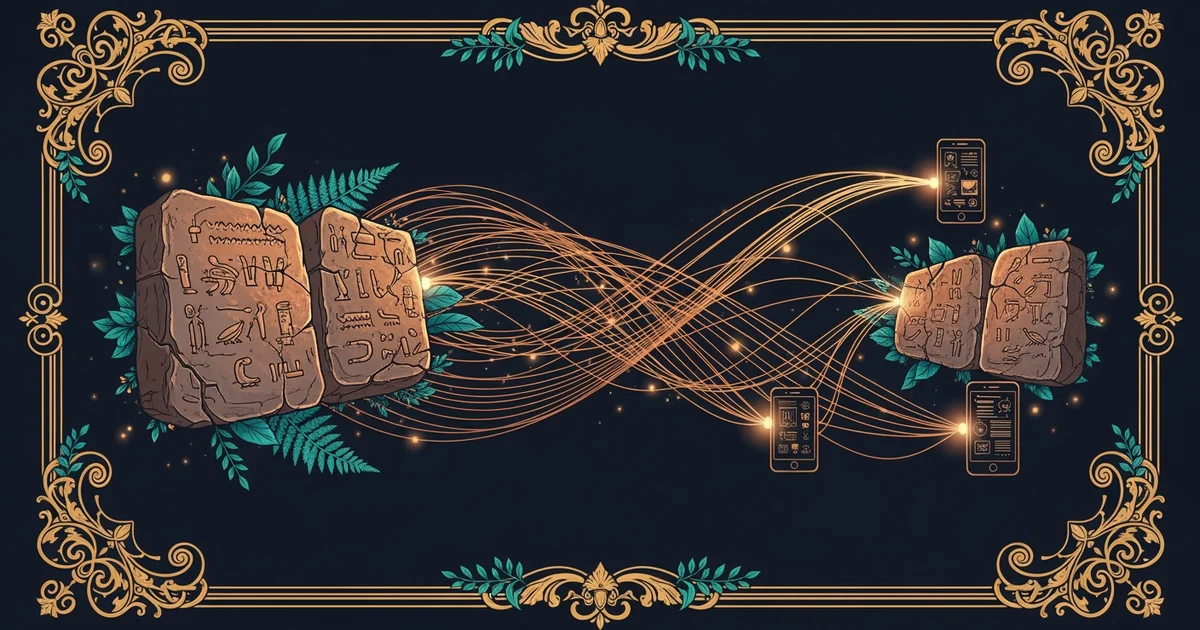
Digital communication often feels like a conversation because we use technology to mirror the rhythms of human speech. When you send a text message, you likely use informal grammar, sentence fragments, and emotional markers that mimic the way you talk in person. This phenomenon is known as secondary orality, which describes how electronic media allows us to return to the interactive style of oral traditions. Unlike formal writing, which requires structure and planning, digital messaging prioritizes speed and personal connection. We treat our screens like a campfire where we trade quick thoughts rather than static records. By focusing on the immediate exchange, we prioritize the feeling of being present with another person over the precision of formal grammar rules. This shift changes how we build relationships through screens every day.
Key term: secondary orality — the way electronic media allows us to return to the interactive, spontaneous style of ancient oral communication.
Think of digital messaging like a digital economy where time is the primary currency you spend. In a formal letter, you invest a lot of time to ensure every word is perfect and lasting. In a text conversation, you spend your time on rapid-fire exchanges that gain value only while the conversation is live. If you wait too long to reply, the value of your message drops because the context of the chat has already moved forward. This economic approach to language forces us to speak with our thumbs. We choose brevity and tone over complexity to keep the flow of information moving quickly. Just as a storyteller adjusts their tale based on the audience's reactions, we adjust our digital messages based on how fast our friends respond.
Why Digital Spaces Mimic Conversation
Digital platforms are designed to keep us engaged by removing the barriers that usually exist between writers and readers. Most apps show you when someone is typing or when they have seen your message, which creates a shared sense of space. This real-time feedback loop is the exact same structure used in face-to-face storytelling sessions from human history. When we see a bubble indicating that someone is typing, we wait with the same anticipation as an audience waiting for a speaker to finish a thought. This shared waiting period builds tension and intimacy that formal writing simply cannot replicate. By design, these interfaces encourage us to write exactly how we would speak if the person were standing right in front of us.
| Feature | Formal Writing | Digital Messaging |
|---|---|---|
| Pace | Slow and planned | Fast and reactive |
| Structure | Rigid sentences | Flexible fragments |
| Goal | Permanent record | Social connection |
We often find that digital text feels more authentic because it captures the messy, imperfect nature of human thought. When you type a message, you might include typos or slang that you would never put in a school essay. These imperfections act as a digital fingerprint that proves a real human is behind the screen. Because we value this authenticity, we have developed a new vernacular that relies on emojis and abbreviations to convey tone. These tools serve as the digital equivalent of hand gestures or facial expressions used during a live speech. Without these markers, our digital words would feel cold and robotic. By blending text with these visual cues, we successfully bring the warmth of oral traditions into our cold, glowing digital environments.
Digital messaging recreates the intimacy of oral storytelling by prioritizing rapid, informal, and responsive exchanges over static written records.
Next, we will explore how these digital habits create a new, shared way of speaking that connects people across the entire globe.