
Protagonist Archetypes
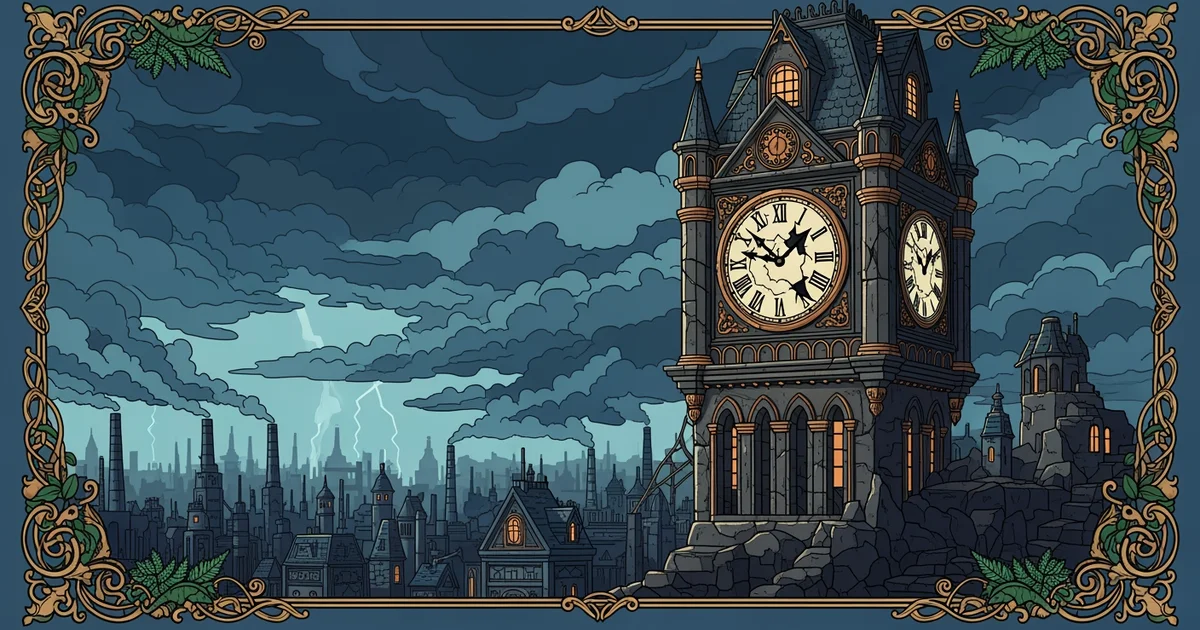
A lone figure stands against a towering wall, watching the iron gates close forever. This person represents the tiny spark of resistance that keeps the fire of hope alive. When we look at stories set in broken worlds, we find that the main character often acts as a mirror for our own inner struggles. These figures do not start as heroes, but they become symbols because they refuse to accept the status quo. By examining their traits, we learn how stories use individuals to challenge the massive systems that surround them.
Traits of the Dystopian Hero
Most characters in these stories share a common feeling of being an outsider within their own society. They might follow the rules at first, but a small event forces them to notice the deep cracks in their world. This realization acts like a budget audit for a failing business, where the protagonist suddenly sees that the books do not balance. They discover that the comfort they enjoyed was built on the suffering of others or on lies meant to keep them quiet. This shift from blind acceptance to active questioning defines their journey toward becoming a true rebel.
Key term: Outsider — a character who feels disconnected from the social norms and values of their environment.
Beyond their feeling of isolation, these characters often possess a strong sense of internal logic that defies the regime. They value truth over safety, which puts them in constant danger from the powers that be. We can classify these protagonists based on how they interact with their environment and the choices they make to resist. The following table highlights the three most common ways these characters approach the challenge of living under an oppressive system:
| Archetype | Primary Motivation | Approach to Conflict | Goal of Action |
|---|---|---|---|
| The Seeker | Finding hidden truth | Quiet observation | Personal clarity |
| The Rebel | Overturning the law | Active disruption | Systemic change |
| The Martyr | Protecting the weak | Sacrificial defense | Symbolic legacy |
The Evolution of the Protagonist
When a character moves from being a passive observer to an active participant, the narrative tension rises sharply. They must weigh the cost of their choices against the potential for meaningful change in their community. This process is rarely easy, as the society often employs complex methods to force the individual back into line. The character must decide if they are willing to lose their status or their life for a cause that might fail. This internal struggle is what makes the character feel human and relatable to the reader who lives in our real world.
These heroes often undergo a transformation that requires them to shed their old identity to survive the new reality. They learn that the system relies on fear to maintain order, so they use courage to break that cycle. By choosing to act, they show other citizens that the rules are not absolute laws of nature. Their journey serves as a blueprint for how individuals can resist power, even when the odds of success remain extremely low. The story arc of a dystopian hero is essentially a lesson in the power of the individual voice against a wall of silence.
- The Seeker searches for the truth behind the lies, acting as the eyes of the reader who wants to understand how the world truly functions.
- The Rebel directly confronts the systems of control, using their energy to dismantle the barriers that keep the population in a state of constant fear.
- The Martyr gives everything to ensure that the struggle continues, showing that some ideas are more important than the safety of a single human life.
These roles are not always fixed, as one character might shift from a Seeker to a Rebel as they gain more knowledge. This growth allows the reader to follow the character on a path of discovery that mirrors the process of learning about complex social systems. As the character changes, the reader gains a better understanding of how power works and how it can be challenged by those who refuse to conform.
Protagonists in dystopian fiction function as catalysts for change by choosing personal integrity over the comfort of blind obedience to broken systems.
But what does it look like when these characters begin to physically reshape the world around them?
Want this with sources you can check?
Premium Learning Paths for Literature & Linguistics are researched against open-access libraries — PubMed, arXiv, government databases, and more — with their distinctive claims cited to real sources and independently checked.
See what Premium includes