
Future of Cognitive Science
Imagine a world where your computer understands your mood before you even type a single word. Technology is moving toward systems that decode the hidden meanings behind our daily speech patterns. This shift marks the next phase of how we study human thought through our language. Researchers now look beyond simple words to find the deeper intent buried in our expressions. We are moving toward a future where machines bridge the gap between human logic and digital processing. This path helps us answer how the way we think shapes the language we use to describe our daily reality.
The Evolution of Language Models
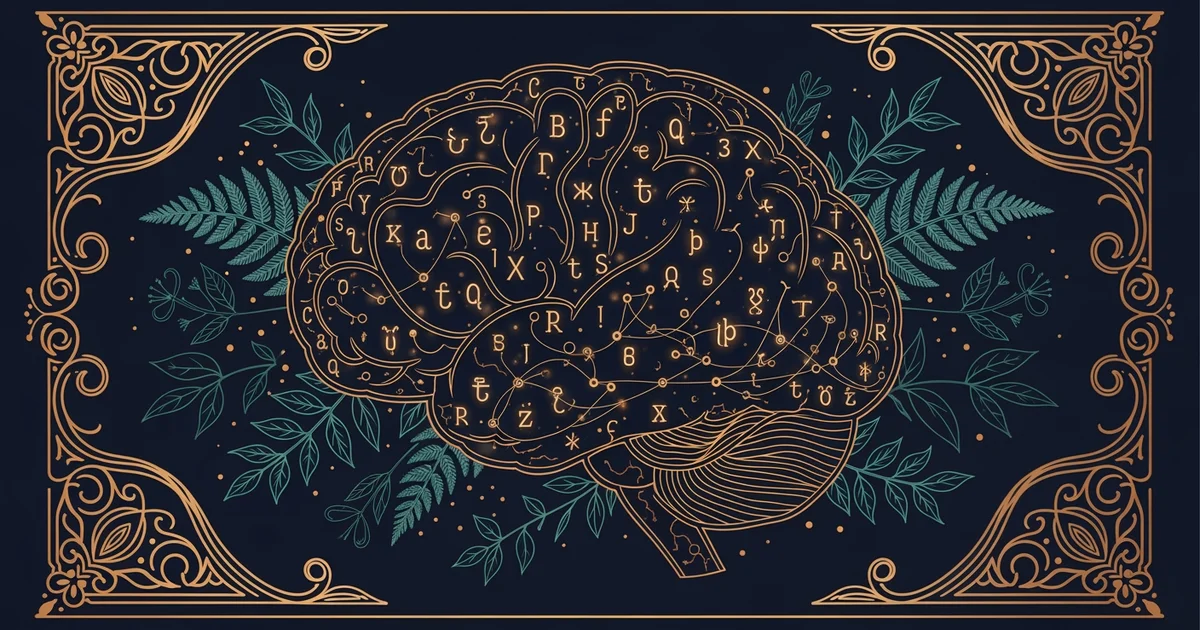
Language research has moved from simple rule-based systems to complex neural networks that mimic human neurons. Earlier studies focused on grammar and syntax, but modern science now prioritizes the context of human experience. Think of this evolution like upgrading from a basic calculator to a powerful financial advisor that understands the market. The calculator only solves math problems, but the advisor evaluates risks and makes predictions based on vast datasets. This transition allows linguistic models to predict how humans might phrase things in specific social settings. By mapping these patterns, scientists can better understand how our brains categorize the world around us.
Key term: Neural networks — computational systems modeled after the human brain that learn to identify patterns in large amounts of data.
As we look forward, the integration of these models into daily life will change how we communicate. We are already seeing tools that suggest our next words based on our typical habits. These tools reflect our cognitive biases and our unique ways of viewing our surroundings. The future of this field lies in making these tools more aware of the cultural nuances that define our speech. Without this awareness, machines will always struggle to capture the full depth of human emotion. We must ensure that future research focuses on this gap between data and human meaning.
Future Directions in Linguistic Research
Future research will likely focus on how our thoughts influence the structure of new, digital languages. We are seeing a shift toward understanding how social media and instant messaging alter our core cognitive processes. This research examines whether constant digital connection changes the way we form complex thoughts over time. The following list highlights key areas that scientists must explore to understand this change:
- Cross-cultural cognitive mapping allows researchers to see how different societies use language to solve identical problems, showing that our environment dictates our linguistic tools.
- Real-time sentiment analysis tracks how emotional states shift during long conversations, helping us understand the link between feelings and the words we choose to express them.
- Dynamic syntax evolution studies how new slang and shorthand terms become part of our permanent vocabulary, revealing how our brains adapt to faster communication styles.
These areas of study are vital for predicting the long-term effects of technology on human expression. By looking at these factors, we can see that language is not a static object but a living system. It grows and changes alongside our technological tools. The tension between natural language and artificial logic remains the biggest hurdle for current researchers. We must resolve this to create better tools for human interaction.
| Research Area | Focus Point | Primary Goal |
|---|---|---|
| Cognitive Mapping | Cultural Logic | Find universal thought patterns |
| Sentiment Analysis | Emotional Flow | Predict intent in speech |
| Syntax Evolution | Language Growth | Map how slang becomes standard |
This table shows how different branches of linguistics work together to form a complete picture of human thought. By comparing these areas, we can see that no single approach provides all the answers. We need a combined effort to understand the future of communication. The goal is to build a bridge between the rigid logic of machines and the fluid, messy nature of human speech. This remains the most important open question in the field today.
The future of cognitive science depends on how well we can map the intersection of human emotional intent and the rapid evolution of our digital communication tools.
Understanding how we think through language will remain a vital skill for navigating the digital age.