
Metaphorical Blending Mechanics
Imagine you are trying to explain a complex computer program by comparing it to a bustling city kitchen. You naturally start to mix ideas from the world of software with the physical actions of cooking dinner. This process happens constantly in our minds as we navigate new information using familiar mental maps. By taking two different concepts and merging them, we create new ways to understand reality that neither concept could express alone. This cognitive ability allows us to build intricate models of the world without needing to learn every single detail from scratch.
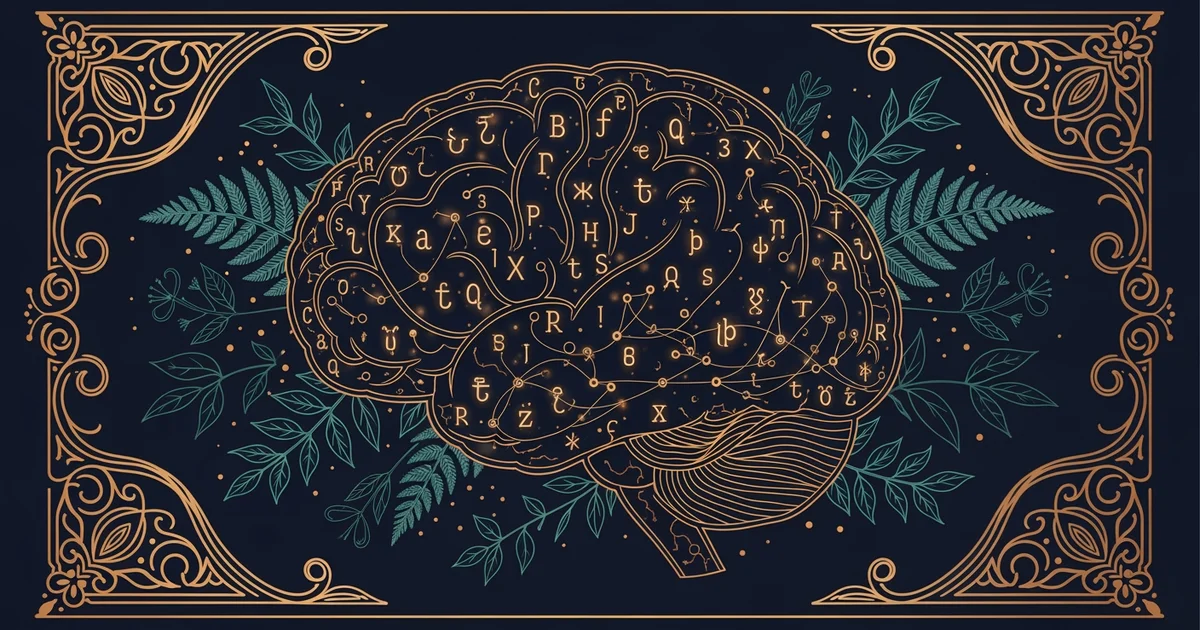
The Mechanics of Conceptual Blending
When we engage in conceptual blending, our brains take two distinct input spaces and map them onto a single blended space. This mental workspace acts like a bridge where features from each domain interact to produce a fresh perspective. Think of this like a business merger between two companies that sell different products to reach a new market. The software company provides the digital tools, while the kitchen staff brings the physical labor and timing. By combining these, the blended space creates a new understanding that is greater than the sum of the original parts. We do not just copy information; we actively transform it into something meaningful for the task at hand.
To manage these complex connections, our minds rely on specific structures that guide how we synthesize information. These networks help us organize the input spaces so we can extract the most relevant details for our current goal. Without these constraints, our thoughts would become a disorganized mess of unrelated facts that serve no real purpose. Instead, we use these networks to filter out noise while keeping the essential elements that define our creative linguistic output. This systematic approach ensures that our metaphors remain clear even when the underlying concepts seem very far apart.
Key term: Conceptual blending — the mental operation of combining two distinct input spaces into a single, integrated space to create new meaning.
We often use these blending networks to solve problems by applying logic from one domain to another domain. The following steps outline how our brains typically process these complex conceptual merges during everyday communication:
- Selection of input spaces occurs when the brain identifies two relevant domains for a given problem.
- Mapping of common structures happens next to ensure the two domains share a logical foundation.
- Integration into a blended space allows the brain to generate unique insights based on the merge.
- Evaluation of the blend confirms if the resulting metaphor effectively communicates the intended message clearly.
This sequence demonstrates that blending is not a random act but a deliberate cognitive process. By following these stages, we can construct metaphors that are both creative and easy for others to understand. This logical flow prevents us from creating confusing comparisons that lose their impact during conversation. When we understand these mechanics, we gain better control over the language we use to describe our daily reality.
Evaluating the Blended Output
Once the blend is complete, we must determine if the new metaphor actually serves our purpose. A successful blend creates a coherent image that feels natural even if the two inputs are technically unrelated. Consider the following table which compares how different domains might blend to describe a common business situation:
| Input Space A | Input Space B | Blended Concept | Purpose |
|---|---|---|---|
| Sports | Business | Team Strategy | Motivation |
| Biology | Networking | Viral Growth | Expansion |
| Architecture | Education | Building Minds | Structure |
Each row shows how a different field provides a framework for understanding business growth or development. By using these blends, we can explain abstract ideas like team spirit or learning progress through concrete, familiar terms. This makes our language more accessible to others while maintaining the depth of our original thought. The effectiveness of the blend depends on how well the chosen inputs align with the final goal we want to achieve.
Blending allows us to synthesize disparate ideas into coherent metaphors that bridge the gap between abstract concepts and our daily experiences.
But what does it look like in practice when we apply these blending rules to complex grammatical structures?
Want this with sources you can check?
Premium Learning Paths for Literature & Linguistics are researched against open-access libraries — PubMed, arXiv, government databases, and more — with their distinctive claims cited to real sources and independently checked.
See what Premium includes