
Civil and Political Rights
Imagine you are applying for a job and the boss denies your application because of your religious beliefs or your political opinions. This situation highlights a fundamental tension where individual freedom clashes with the power of an institution or a government. Civil and political rights act as the essential guardrails that prevent such unfair treatment by ensuring that every person retains their basic dignity. These protections are not just abstract ideas written on paper but serve as the bedrock for how societies function in a fair manner. When these rights are respected, people can participate fully in their communities without fear of arbitrary punishment or unfair discrimination.
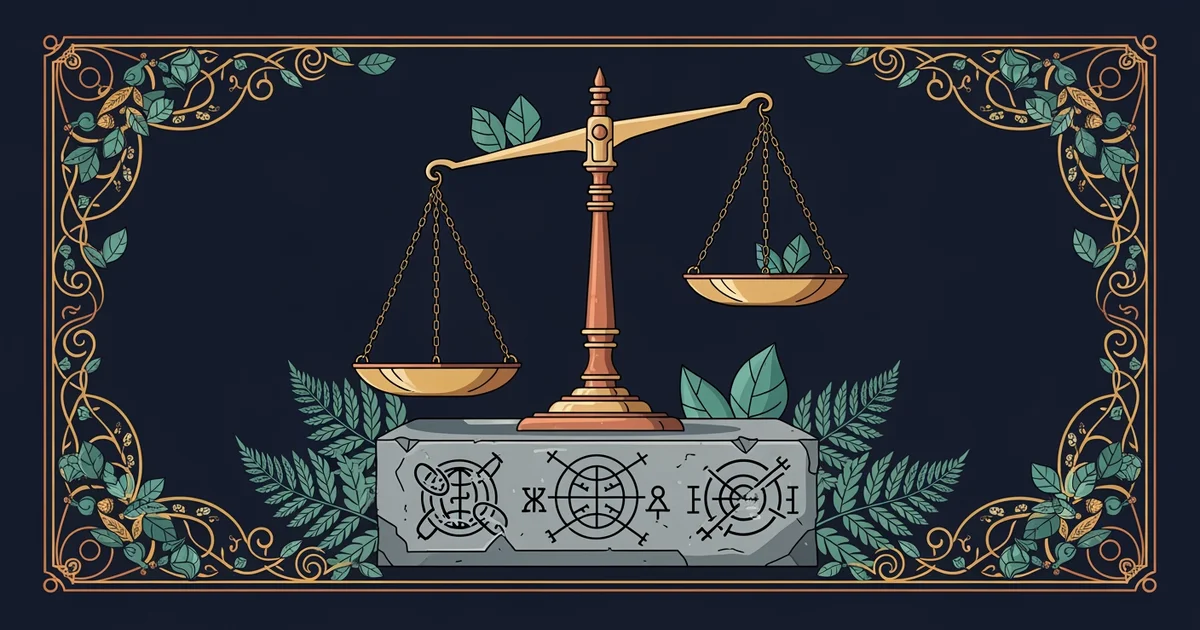
The Nature of Individual Liberties
Civil and political rights function similarly to the rules of a public park that allow everyone to enjoy the space while respecting the boundaries of others. Just as park rules prevent one person from blocking the path or destroying the scenery, these legal rights prevent the state from infringing upon your personal space and your ability to express yourself. Without these rules, the strongest or most powerful actors would simply take over the space and exclude anyone they dislike. These rights ensure that the government remains a neutral facilitator rather than a biased participant that favors certain groups over others. By establishing these clear boundaries, the framework protects the inherent value of every human life against the reach of authority.
Key term: Civil liberties — the fundamental protections that shield individuals from government overreach and ensure personal freedom in daily life.
These rights are often categorized into specific protections that safeguard your physical person and your ability to engage in society. The following list outlines the primary areas where these protections are most critical for the average citizen:
- The right to life and physical safety requires that the state protects citizens from violence and prevents the government from taking a life without a fair legal process.
- Freedom of expression allows individuals to share ideas and criticisms without fear of being silenced or punished by those who hold political power in the country.
- The right to a fair trial ensures that anyone accused of a crime receives an impartial hearing where they can defend themselves against accusations before a judge.
- Freedom of assembly grants people the power to gather in public spaces to voice shared concerns or advocate for changes within their local or national government.
Protecting Participation and Equality
Building on the concept of personal safety, these rights also guarantee that you have a voice in how your society is governed. Political rights specifically focus on your ability to influence the direction of your community through voting and running for office. If a government restricts these rights, it effectively removes the ability of the people to hold their leaders accountable for their actions. True democracy depends on the existence of these rights because they provide the mechanism through which citizens can peacefully replace leaders who fail to serve the public interest. When these rights are secure, the relationship between the government and the people remains balanced and transparent.
| Right Category | Primary Goal | Example Action |
|---|---|---|
| Civil Rights | Ensure equality | Voting without bias |
| Political Rights | Enable influence | Joining a campaign |
| Legal Protections | Maintain fairness | Hiring legal counsel |
These categories work together to create a stable environment where individuals can pursue their own goals without interference. If the government attempts to limit your freedom, you have the right to challenge that action through the legal system. This ability to seek justice is what makes these rights effective in real-world scenarios. Without the power to enforce these protections, the rights themselves would become little more than empty promises that offer no actual security to the population. By maintaining this system, modern states ensure that their citizens remain free to live their lives with a sense of security and genuine individual purpose.
Civil and political rights establish the essential legal boundaries that protect personal freedom and ensure every citizen has the power to influence their own government.
The next Station introduces economic and social rights, which determine how the government supports the basic welfare and standard of living for all people.
This content is educational only and does not constitute legal advice. Laws vary by jurisdiction. Consult a qualified legal professional for advice specific to your situation.