
The UN Charter Role
Imagine a global neighborhood where every house has different rules about how to treat its residents. Without a shared set of house rules, chaos would quickly ruin the peace for everyone living there. The UN Charter acts like a master contract for this global neighborhood, establishing the basic standards that every member nation must follow to maintain order. By signing this document, countries agree to protect the human dignity of all people within their borders. This agreement turns the abstract concept of human rights into a concrete legal duty for governments. It serves as the bedrock for modern international law, ensuring that nations are held accountable for how they treat their own citizens. Without this central document, the protection of human rights would rely entirely on the goodwill of individual leaders rather than a stable, binding legal system.
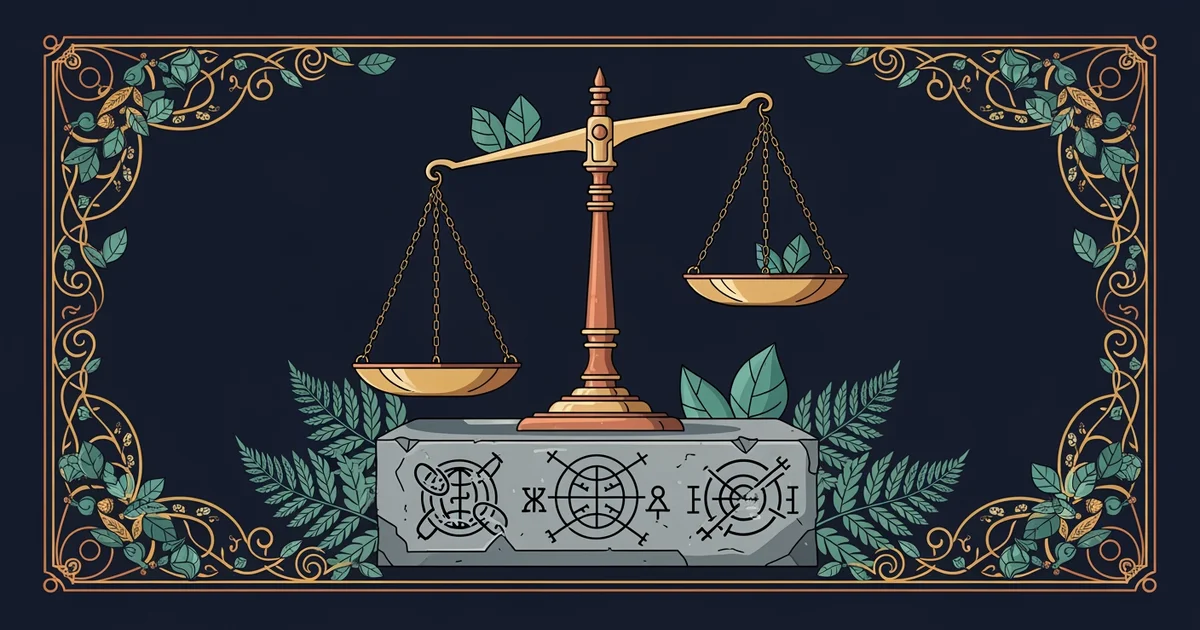
The Legal Foundation of Global Peace
The primary purpose of this legal framework is to prevent the horrors of war while promoting fundamental freedoms for everyone. When nations joined the organization, they committed to respecting the inherent worth of every human being regardless of their background. This commitment is not just a polite suggestion but a formal obligation under international law. Think of the charter like the constitution of a country, but applied to the entire world stage. Just as a national constitution limits government power to protect individual rights, this document restricts how states interact with their own people. It creates a clear expectation that peace and human rights are inseparable goals that every nation must actively pursue together.
Key term: UN Charter — the foundational treaty that outlines the goals, structure, and legal obligations of the United Nations to maintain global peace and protect human rights.
This legal structure relies on member states to implement these standards within their own domestic systems. When a country joins, it agrees to align its local laws with the broader principles found in the charter. This process ensures that human rights are not just distant ideals but are woven into the daily lives of citizens. The document functions like a blueprint for a house, providing the necessary structure while allowing each nation to build its own unique interior. By establishing these universal rules, the charter prevents the arbitrary treatment of individuals by powerful state actors. It creates a baseline of protection that no government can legally ignore without facing international scrutiny.
Mechanisms for Accountability and Compliance
To ensure that nations follow these rules, the framework includes specific mechanisms for monitoring and reporting human rights progress. These processes act like a periodic audit for a business, checking if the country is meeting its stated goals. The following list outlines how the system encourages nations to maintain their legal commitments to their citizens:
- Peer review processes allow other nations to examine the human rights records of their neighbors to ensure they meet the agreed standards — this creates a transparent environment where bad behavior is harder to hide.
- Periodic reporting requirements force governments to document their progress on human rights issues, which helps identify areas where they are failing to protect the dignity of their residents.
- International oversight bodies provide a platform for victims to voice their grievances, ensuring that state actions remain subject to public review and legal evaluation by the global community.
These tools do not replace national laws, but they provide a necessary layer of protection when local systems fail. By creating this global safety net, the charter ensures that human rights remain a priority for every government. It forces leaders to consider how their policies affect the freedom and dignity of those they represent. This ongoing dialogue between nations helps to refine the interpretation of rights as society changes over time. The document remains a living agreement that adapts to new challenges while keeping its core mission intact. It proves that even in a world of diverse cultures, a shared commitment to human dignity is possible and legally enforceable.
The United Nations Charter functions as a binding global contract that transforms the abstract ideal of human dignity into a formal legal obligation for all member states.
The next station will explore how these foundational principles are further defined through specific civil and political rights that protect individual freedom.
This content is educational only and does not constitute legal advice. Laws vary by jurisdiction. Consult a qualified legal professional for advice specific to your situation.