
Origins of Global Rights
Imagine a world where your safety depends entirely on the whims of a local ruler. If you move across a border, the rules of your existence change without any warning or protection. This lack of consistency creates a dangerous environment where basic human needs are ignored by those in power. Nations eventually realized that they needed a shared set of rules to prevent total chaos. They understood that every person deserves a baseline level of respect regardless of their home country. This realization laid the groundwork for the modern global systems we rely on today.
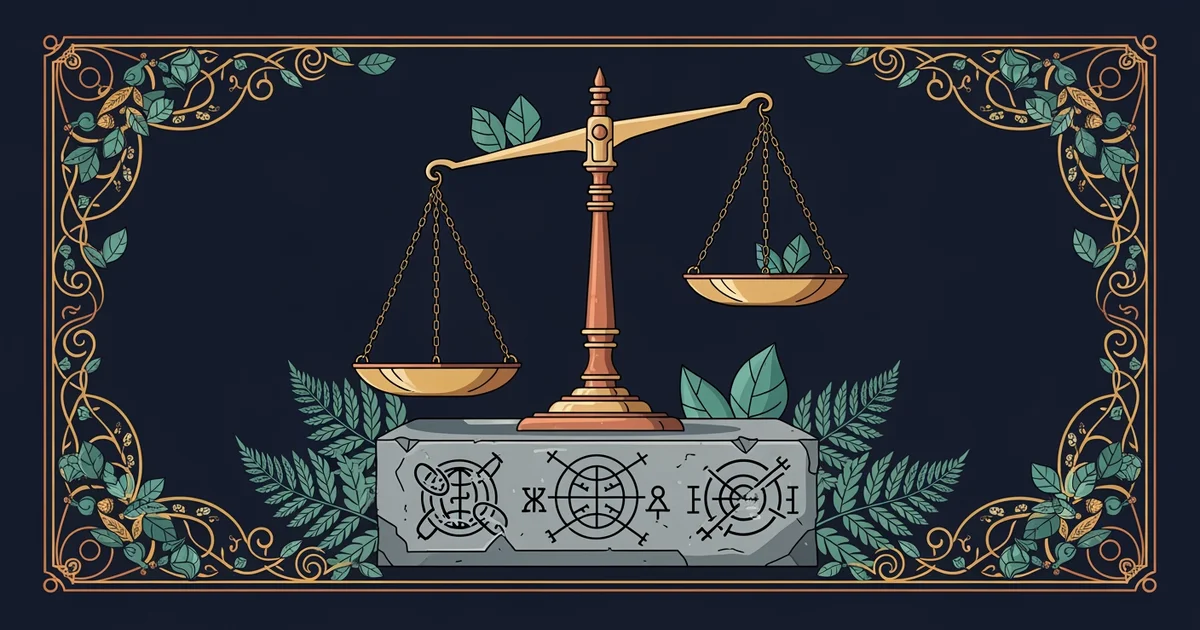
The Historical Necessity for Universal Standards
Before the creation of modern agreements, individual nations operated under their own isolated legal systems. People often faced harsh treatment if they lacked local citizenship or political influence in their home regions. Think of this situation like a massive, global game of cards where every player follows different house rules. If you travel to a new table, you might find that your cards have no value there. This lack of standard rules caused immense suffering during periods of major global conflict. Leaders recognized that peace requires a predictable framework that protects every single person equally.
Key term: Human Rights — the fundamental protections and freedoms that every person possesses simply by being human.
By establishing these standards, countries aimed to stop the cycle of violence and systemic mistreatment. They wanted to ensure that no government could claim absolute power over the lives of its citizens. This shift required nations to sacrifice a small portion of their total sovereignty for long-term stability. They agreed that certain actions against people were unacceptable, regardless of the local laws or cultural traditions. This move transformed how governments interact with people, making dignity a central part of international legal obligations.
Why Nations Unified Their Legal Frameworks
When nations gathered to codify these rights, they focused on creating clear, universal expectations for all people. This process was not just about kindness, but about building a foundation for lasting global security. By agreeing to these terms, countries created a way to hold each other accountable for their actions. The following table highlights the core reasons why nations chose to adopt these shared global standards for everyone.
| Reason for Unity | Impact on Global Society | Goal of Implementation |
|---|---|---|
| Preventing War | Reduces border conflicts | Maintaining global peace |
| Protecting Life | Saves innocent civilians | Ensuring personal safety |
| Ensuring Justice | Limits government abuse | Creating fair treatment |
These goals help explain why the international community continues to support these frameworks today. When a country joins these agreements, it promises to uphold the dignity of every person within its borders. This commitment creates a safety net that protects vulnerable populations from extreme harm or total neglect. It serves as a constant reminder that human life holds value beyond the borders of any single nation. By holding these standards, the world moves closer to a shared vision of equality for all people.
Understanding these origins allows you to see how your own rights are tied to global history. This path will show you how these frameworks evolve to protect your dignity and freedom everywhere. By the end of this learning path, you will understand how global agreements protect the basic dignity and freedom of every person across the entire world.
This content is educational only and does not constitute legal advice. Laws vary by jurisdiction. Consult a qualified legal professional for advice specific to your situation.