
Future Trends in Regulation
Imagine a digital marketplace where algorithms adjust prices in real time based on your personal browsing history. This invisible shift changes how we interact with global commerce and forces us to rethink our basic rights. As technology evolves, we must ensure that our legal frameworks protect individuals from predatory automated systems. These systems often operate behind a veil of complex code that is difficult for typical consumers to understand. By looking ahead, we can anticipate how regulators will manage the intersection of private data and public market fairness.
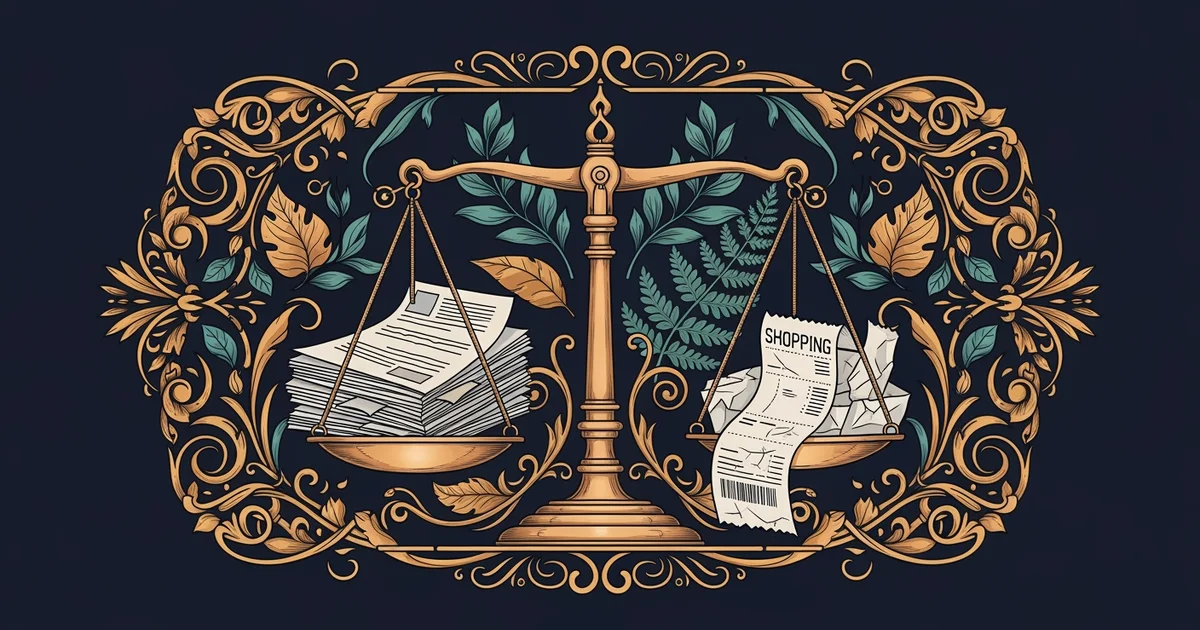
The Rise of Algorithmic Governance
When we consider the future, we see that Artificial Intelligence will likely serve as both a tool for enforcement and a source of new risks. Regulatory bodies are already exploring how to use machine learning to identify patterns of fraud across millions of daily transactions. Much like a digital security guard patrolling a massive shopping mall, these tools can flag suspicious activity before a human investigator even notices a problem. However, this raises a new tension regarding transparency and accountability in the digital age. If an automated system denies a consumer a refund based on a hidden variable, the law must provide a clear path for appeal and correction.
Regulators are currently debating how to balance innovation with safety in the following ways:
- Proactive monitoring systems allow agencies to scan for deceptive marketing tactics in real time while protecting the privacy of individual users during the process.
- Automated dispute resolution platforms provide a faster way for buyers to recover funds when a transaction fails without needing to hire expensive legal counsel.
- Predictive compliance models help businesses align their digital storefronts with existing laws before they launch new products, which reduces the risk of costly future litigation.
Adapting Legal Frameworks for Digital Markets
As we build on the concepts of global trade harmonization and fair market practices, we must address the gap between outdated laws and modern technology. Many current statutes rely on physical definitions of commerce that do not account for decentralized digital platforms. To bridge this divide, lawmakers are focusing on dynamic regulations that evolve alongside the software they govern. This approach avoids the trap of setting rigid rules that become obsolete as soon as a new software update is released. By focusing on the intent of the law rather than the specific technology, we ensure that protections remain durable and effective.
Key term: Algorithmic Accountability — the principle that entities using automated decision systems must remain responsible for the outcomes and biases those systems produce.
We must integrate these new protections while maintaining the core principles of transparency and fairness established in earlier lessons. The challenge lies in creating a system where consumers understand the tools they use while businesses remain free to innovate. If we fail to establish these standards, we risk creating a market where consumer trust evaporates due to opaque and unfair automated processes. This shift requires a collaborative effort between tech developers, legal experts, and informed citizens who participate in the digital economy every single day.
| Regulatory Strategy | Primary Goal | Expected Benefit |
|---|---|---|
| Real-time Auditing | Fraud detection | Lower financial loss |
| Dynamic Licensing | Market safety | Faster innovation |
| Consumer Portals | Transparency | Informed decisions |
These strategies represent a significant departure from the reactive models of the past. Instead of waiting for a harm to occur, future regulation aims to prevent the harm by designing safer digital environments from the start. This evolution reflects a growing recognition that the digital marketplace is not a separate realm but an extension of our physical lives. Protecting consumers in this space is essential for maintaining a healthy and functioning society. By prioritizing these advancements, we can create a future where technology serves the public interest rather than exploiting it for profit.
Future consumer protection will rely on dynamic, automated oversight systems that prioritize transparency to ensure fairness in an increasingly complex and data-driven global marketplace.
Understanding how technology shapes law is a vital skill for navigating the modern world and advocating for your own digital rights. This content is educational only and does not constitute legal advice. Laws vary by jurisdiction. Consult a qualified legal professional for advice specific to your situation.