
The Buyer and Seller Dynamic
You walk into a local store to buy a new laptop, but the fine print on the receipt hides terms that limit your basic rights. Most shoppers assume that the price tag represents the total agreement, yet a deep power imbalance often exists between the seller and the buyer. This gap happens because businesses possess vast legal teams, while individuals usually navigate retail spaces alone. Understanding this dynamic is the first step toward protecting yourself in every future transaction you make.
The Roots of Market Inequality
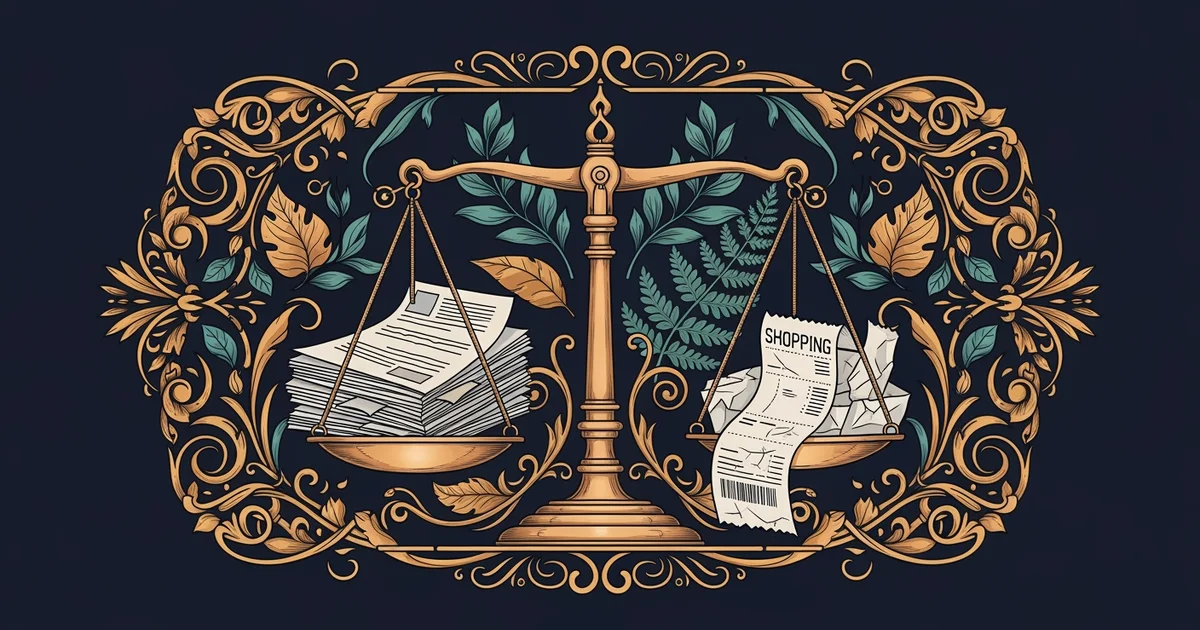
Market transactions are rarely equal because the seller typically controls the information about the product. Businesses often use complex contracts that favor their own interests, leaving the consumer with very little room to negotiate. This situation creates a clear information asymmetry, where one party knows significantly more about the item or the contract than the other. Think of this like a game where the dealer knows every card in the deck while the player must guess the value of their own hand. Without transparency, the buyer cannot make a truly informed choice, which undermines the entire goal of fair trade.
Key term: Information asymmetry — a situation where one party in a transaction possesses more or better data than the other party.
Because of this imbalance, laws were created to level the playing field for the average person. These regulations prevent companies from using deceptive tactics that exploit the lack of knowledge on the consumer side. When a company hides critical details, they effectively remove the buyer's ability to provide genuine consent to the purchase. The law acts as a shield, ensuring that the person with less power is not crushed by the entity with more resources. This protection is vital for maintaining trust in the modern economy.
Analyzing Retail Power Dynamics
Retailers often rely on standardized terms that consumers must accept without any chance for discussion or change. These agreements, known as contracts of adhesion, are presented on a take-it-or-leave-it basis to every single customer. Since the individual lacks the power to demand different terms, they essentially surrender their bargaining leverage the moment they decide to purchase the goods. This structure is common in modern retail, as it allows businesses to process millions of transactions quickly without needing to negotiate each individual deal.
To understand how these power gaps manifest in real life, consider the common tactics that retailers use to maintain their advantage over the average individual shopper:
- Delayed disclosure of return policies ensures that customers only learn about strict limitations after they have already paid for the item.
- Complex technical jargon in service agreements discourages people from reading the fine print, which hides hidden fees or service restrictions.
- Targeted advertising uses personal data to influence buying habits, which creates a psychological edge that the consumer might not even notice.
These methods are not inherently illegal, but they highlight why the buyer must remain vigilant during every step of the shopping process. By recognizing these patterns, you can better protect your interests and avoid falling into traps designed to limit your rights. The goal of consumer law is to ensure that these common retail practices do not cross the line into exploitation or fraud. Staying aware of how companies structure their sales is the best way to maintain your own independence.
True market fairness requires that both the buyer and the seller operate with equal access to the essential facts of their agreement.
Moving forward, we will examine how specific standards for advertising ensure that the information you receive is both honest and accurate.
This content is educational only and does not constitute legal advice. Laws vary by jurisdiction. Consult a qualified legal professional for advice specific to your situation.